
Menopause Joint Pain: 6 Brilliant Ways to Comfort & Mobility
Menopause Joint Pain can significantly impact daily life, turning simple movements into sources of discomfort. This common symptom of menopause, often unexpected, can leave many women searching for effective strategies to regain their comfort and mobility. Understanding the root causes and exploring brilliant solutions is the first step toward finding lasting relief and embracing this life stage with vitality.
In this comprehensive guide, we will delve into why joints hurt more during menopause, explore the crucial connection between estrogen levels and joint health, and unveil six brilliant, proven ways to manage and alleviate joint discomfort. From natural remedies and specific exercises to expert medical advice, our aim is to empower you with the knowledge and tools to navigate Menopause Joint Pain with greater ease.
Key Takeaways for Menopause Joint Pain Relief
- Understand the primary role of declining estrogen in exacerbating Menopause Joint Pain and inflammation.
- Discover 6 brilliant, actionable strategies, from diet and exercise to targeted supplements, to alleviate discomfort.
- Learn about specific exercises beneficial for maintaining joint flexibility and strength during menopause.
- Recognize when to seek expert medical advice for severe or persistent Menopause Joint Pain.
Understanding Menopause Joint Pain: Causes and Impact
Many women are surprised to find that joint aches and stiffness become a prominent symptom during menopause. This discomfort, often referred to as Menopause Joint Pain, is not merely a sign of aging but is intimately linked to the significant hormonal shifts occurring in the body. Recognizing these underlying causes is crucial for effective management.
The connection between estrogen levels and joint pain in menopause is profound. Estrogen plays a vital role in maintaining joint health by reducing inflammation, supporting cartilage integrity, and ensuring adequate joint lubrication. As estrogen levels decline during perimenopause and menopause, these protective effects diminish, leading to increased inflammation, reduced cartilage resilience, and less synovial fluid. This can result in widespread aches and stiffness, making Menopause Joint Pain a challenging experience.
Why do joints hurt more during menopause? The drop in estrogen makes cartilage more vulnerable and can heighten the body’s inflammatory response. This hormonal shift can also impact pain perception, making existing discomfort feel more intense. Furthermore, weight gain, which is common during menopause, can add extra stress to weight-bearing joints, exacerbating Menopause Joint Pain.
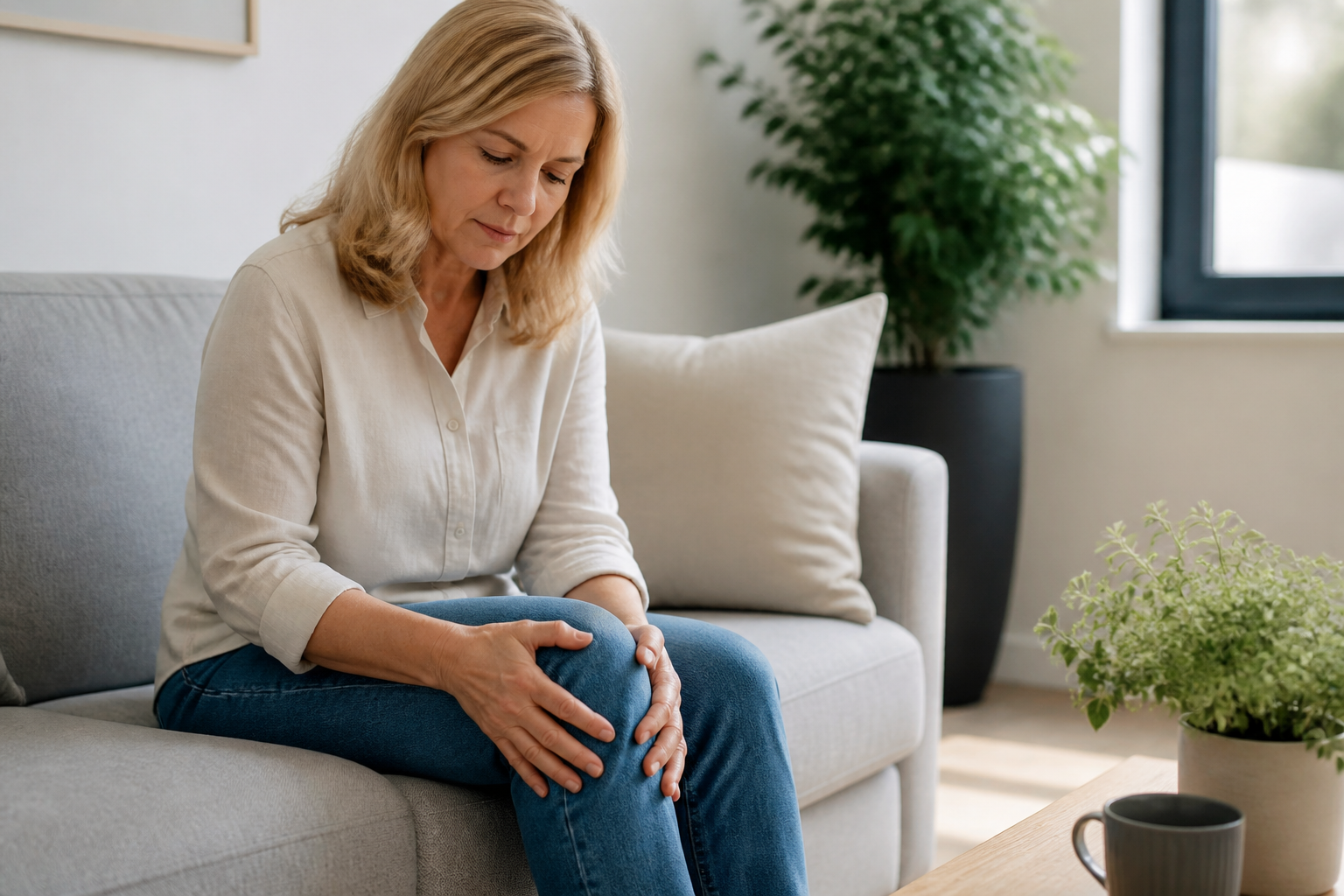
The Hormonal Link to Menopause Joint Pain
The primary culprit behind Menopause Joint Pain is the fluctuating and eventually declining levels of estrogen. This hormone is not just for reproductive health; it’s a systemic protector, influencing everything from bone density to skin elasticity and, critically, joint function. When estrogen levels fall, the body’s natural anti-inflammatory mechanisms weaken, and tissues around the joints can become more susceptible to irritation and pain.
This hormonal imbalance can lead to a cascade of effects, including increased systemic inflammation, reduced collagen production, and decreased fluid in the joints. These factors combine to create an environment where joints are less cushioned, more prone to friction, and generally more painful. Understanding this link is the first step in addressing Menopause Joint Pain effectively.
When Does Menopause Joint Pain Typically Begin?
Menopause Joint Pain can often begin during perimenopause, the transitional period leading up to menopause. This is when hormonal fluctuations are most pronounced, with estrogen levels rising and falling erratically before their eventual decline. These unpredictable shifts can trigger symptoms like joint discomfort even before periods cease entirely.
For many women, the pain may intensify as they move through menopause and into post-menopause, stabilizing at lower estrogen levels. The duration of joint pain from menopause varies significantly among individuals; for some, it might be temporary, while for others, it can persist for several years. Early recognition and management can help mitigate the impact of Menopause Joint Pain.
Is Joint Pain in Hands a Symptom of Perimenopause?
Yes, joint pain in hands is indeed a common symptom reported during perimenopause and menopause. The small joints of the fingers and wrists are often among the first to experience stiffness, aching, and sometimes swelling. This localized discomfort is directly related to the estrogen decline affecting cartilage and increasing inflammation in these delicate joints.
Women may notice difficulty with fine motor skills, a reduced grip strength, or a general feeling of achiness in their hands, particularly in the mornings. This specific presentation of Menopause Joint Pain highlights the widespread impact of hormonal changes on the musculoskeletal system. Addressing these symptoms early can improve daily function and quality of life.
6 Brilliant Ways to Find Comfort and Mobility with Menopause Joint Pain
Finding effective strategies to manage Menopause Joint Pain is essential for maintaining an active and comfortable lifestyle. While hormonal changes are at the core, many brilliant approaches can help alleviate symptoms and improve joint health. Here are six key strategies to consider.
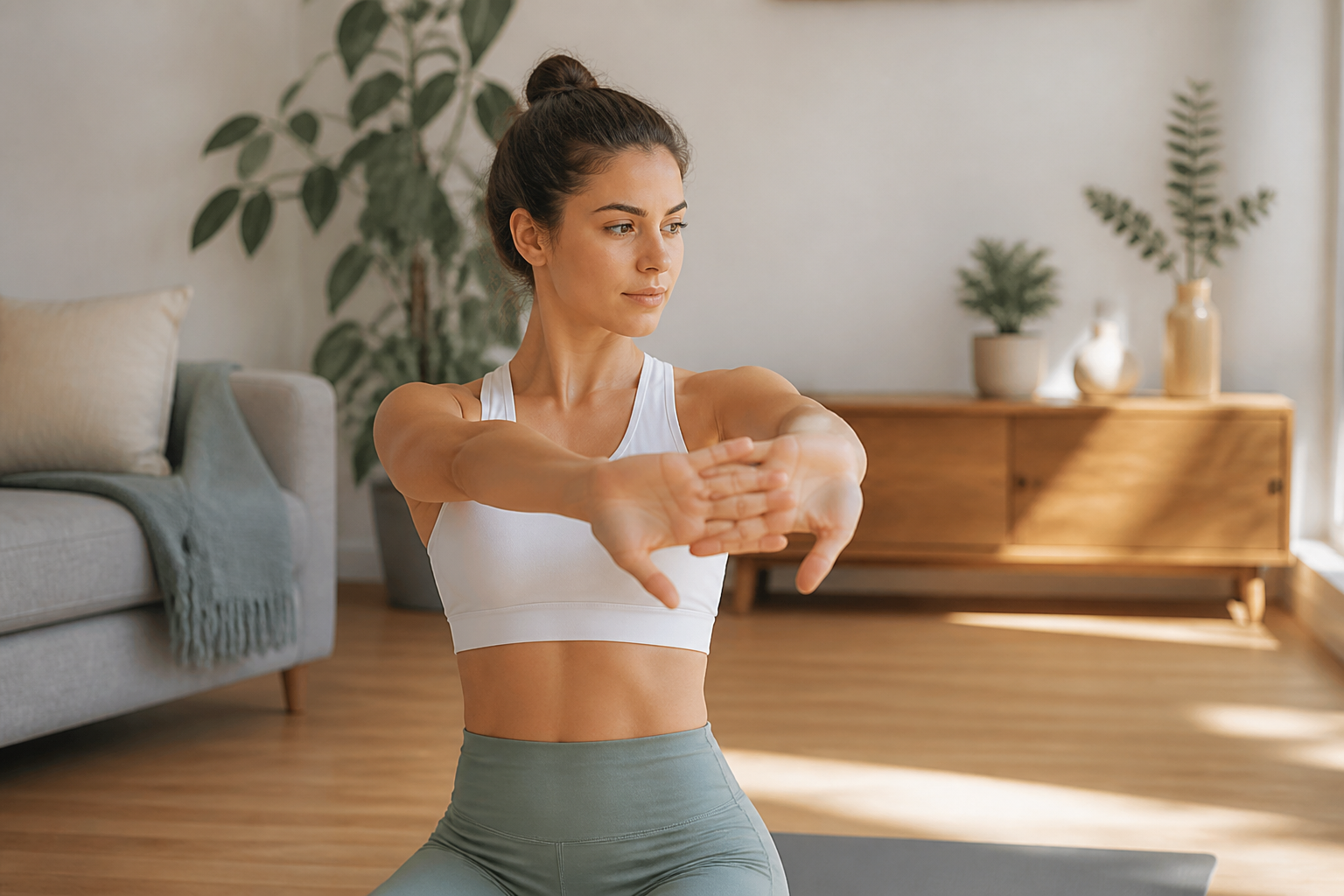
1. Embrace Movement: Specific Exercises for Menopause Joint Pain
Regular physical activity is one of the most powerful tools for combating Menopause Joint Pain. Are there specific exercises beneficial for menopause joint pain? Absolutely. Low-impact activities are key, as they strengthen muscles and improve flexibility without putting excessive stress on joints. Activities like swimming, cycling, and walking are excellent choices.
Yoga and Pilates are also highly recommended for their ability to enhance flexibility, core strength, and balance, all of which support joint health. Strength training with light weights or resistance bands helps build muscle around the joints, providing better support and reducing pain. Consistency is more important than intensity when managing Menopause Joint Pain through exercise.
2. Nourish Your Body: Diet and Lifestyle for Menopause Joint Pain
Can diet and lifestyle changes alleviate Menopause Joint Pain? Yes, they can make a significant difference. Adopting an anti-inflammatory diet is crucial. Focus on foods rich in omega-3 fatty acids, such as salmon, flaxseeds, and walnuts, which are known for their inflammation-reducing properties. Incorporate plenty of fruits, vegetables, and whole grains.
Avoid processed foods, excessive sugar, and unhealthy fats, as these can promote inflammation throughout the body. Maintaining a healthy weight is also vital, as excess pounds put additional strain on weight-bearing joints like knees and hips, worsening Menopause Joint Pain. Adequate hydration and quality sleep further support overall joint health and pain management.
3. Smart Supplementation for Menopause Joint Pain
What supplements are recommended for Menopause Joint Pain? While supplements should complement a healthy diet and always be discussed with a healthcare provider, several options show promise. Omega-3 fatty acids (fish oil) are widely recognized for their anti-inflammatory benefits.
Vitamin D and Calcium are essential for bone health, which indirectly supports joint function. Glucosamine and Chondroitin are popular for cartilage support, though their effectiveness varies. Magnesium can help with muscle and nerve function, potentially easing some types of joint discomfort. Always consult your doctor before starting any new supplement regimen for Menopause Joint Pain.
4. Over-the-Counter Relief for Menopause Joint Pain
For immediate relief from mild to moderate Menopause Joint Pain, over-the-counter (OTC) options can be effective. What is the most effective over-the-counter pain relief for menopausal joint aches? Non-steroidal anti-inflammatory drugs (NSAIDs) like ibuprofen or naproxen can help reduce both pain and inflammation. Topical pain relief creams containing ingredients like menthol, capsaicin, or salicylates can also provide localized relief.
Acetaminophen is another option for pain relief, though it does not reduce inflammation. Always follow dosage instructions carefully and consult a pharmacist or doctor if you have underlying health conditions or are taking other medications. These options can provide temporary comfort while you implement long-term strategies for Menopause Joint Pain.
5. Exploring Medical Interventions for Menopause Joint Pain
When lifestyle changes and OTC remedies aren’t enough, medical interventions can offer significant relief for Menopause Joint Pain. Are there any effective prescription medications for menopause joint pain? Hormone Replacement Therapy (HRT) is often considered, as it addresses the root cause by replenishing estrogen levels. HRT can significantly reduce joint pain and stiffness for many women, though it’s not suitable for everyone and requires careful discussion with a doctor.
Other prescription options may include specific anti-inflammatory medications or pain relievers. In some cases, physical therapy can be prescribed to improve joint function and reduce pain through targeted exercises and modalities. Discussing all available options with your healthcare provider is essential to create a personalized treatment plan for your Menopause Joint Pain.
6. Seek Expert Guidance for Severe Menopause Joint Pain
For severe or persistent Menopause Joint Pain, professional medical advice is crucial. Who can I consult for severe menopause joint pain? An OBGYN is an excellent starting point, as they can assess hormonal factors and discuss menopausal treatments, including HRT. They can also help you understand the connection between estrogen levels and joint pain in menopause.
Depending on the nature and severity of your symptoms, your OBGYN may refer you to a rheumatologist, a specialist in joint and autoimmune conditions, or a pain management specialist. These experts can offer targeted therapies and a comprehensive management plan. Where can I find clinics specializing in menopause pain management? Your primary care physician or OBGYN can provide referrals to local specialists or clinics, such as Comprehensive OBGYN in Coral Springs, that focus on women’s health and menopausal symptoms.
Where to purchase trusted remedies for menopause joint discomfort? Always consult with your healthcare provider for recommendations on reputable sources for supplements or medications. They can guide you to trusted pharmacies or certified health product retailers, ensuring you receive safe and effective products for your Menopause Joint Pain.
Find Relief from Menopause Joint Pain Today
At Comprehensive OBGYN, we understand the challenges of menopause. Our compassionate team in Coral Springs offers personalized strategies to manage joint discomfort and enhance your well-being.
Living Well with Menopause Joint Pain: A Holistic Approach
Managing Menopause Joint Pain effectively often requires a holistic and integrated approach. It’s not just about one solution but a combination of lifestyle adjustments, dietary choices, and, when necessary, medical interventions. The goal is to reduce inflammation, improve joint function, and enhance your overall quality of life during this significant life transition.
Remember that every woman’s experience with menopause is unique, and what works for one may not work for another. Patience and persistence are key as you explore different strategies to find what brings you the most comfort and mobility. Tracking your symptoms and the effectiveness of various interventions can help you and your healthcare provider refine your approach to Menopause Joint Pain.
Embracing a proactive mindset and seeking professional guidance are vital steps. By understanding the causes and actively implementing these brilliant strategies, you can significantly alleviate Menopause Joint Pain and continue to lead a vibrant, active life. Don’t let joint discomfort define your menopausal journey; empower yourself with knowledge and action.
Frequently Asked Questions About Menopause Joint Pain
What causes joint pain during menopause?
Menopause joint pain is primarily linked to declining estrogen levels. Estrogen plays a role in reducing inflammation and maintaining cartilage health, so its reduction can lead to increased joint inflammation, reduced lubrication, and general aches. Hormonal fluctuations during perimenopause and menopause can also impact pain perception and contribute to discomfort.
Why do joints hurt more during menopause?
Joints often hurt more during menopause due to the significant drop in estrogen. This hormone helps protect joints by maintaining fluid levels and cushioning. With less estrogen, cartilage can become more vulnerable, and inflammation may increase, leading to greater sensitivity and pain in various joints throughout the body.
How to relieve menopause joint pain naturally?
Natural relief for menopause joint pain includes regular low-impact exercise like swimming or walking, maintaining a healthy weight to reduce joint stress, incorporating anti-inflammatory foods into your diet (e.g., omega-3 rich fish, leafy greens), ensuring adequate hydration, and managing stress through practices like yoga or meditation.
Are there specific exercises beneficial for menopause joint pain?
Yes, specific exercises can greatly benefit menopause joint pain. Low-impact activities such as swimming, cycling, walking, and yoga are excellent for maintaining joint flexibility and strength without excessive stress. Strength training with light weights or resistance bands also helps support joints by building muscle, and stretching improves range of motion.
What supplements are recommended for menopause joint pain?
Supplements often recommended for menopause joint pain include Omega-3 fatty acids (fish oil) for anti-inflammatory benefits, Vitamin D and Calcium for bone health, Glucosamine and Chondroitin for cartilage support, and magnesium for muscle and nerve function. Always consult your healthcare provider before starting any new supplement regimen.
When does menopause-related joint pain typically begin?
Menopause-related joint pain can often begin during perimenopause, the transitional period leading up to menopause, when hormonal fluctuations are most pronounced. It can continue throughout menopause and sometimes for several years post-menopause, varying significantly among individuals. Symptoms may intensify as estrogen levels stabilize at lower points.
Who can I consult for severe menopause joint pain?
For severe menopause joint pain, you should consult an OBGYN, a rheumatologist, or a pain management specialist. An OBGYN can assess hormonal factors and discuss menopausal treatments, while a rheumatologist specializes in joint and autoimmune conditions. A pain specialist can offer targeted therapies and a comprehensive management plan.
What is the connection between estrogen levels and joint pain in menopause?
Estrogen plays a crucial role in maintaining joint health by regulating inflammation, supporting cartilage, and ensuring adequate joint lubrication. As estrogen levels decline during menopause, these protective effects diminish, leading to increased inflammation, reduced cartilage integrity, and less synovial fluid, all contributing to joint pain and stiffness.
How long does joint pain from menopause typically last?
The duration of joint pain from menopause varies for each woman. For some, it might be a temporary symptom during perimenopause, while for others, it can persist for several years into post-menopause. Managing symptoms with lifestyle changes, appropriate medical treatments, and ongoing care can significantly improve comfort and reduce duration.
Can diet and lifestyle changes alleviate menopause joint pain?
Absolutely. Significant relief from menopause joint pain can come from diet and lifestyle changes. Adopting an anti-inflammatory diet, rich in fruits, vegetables, lean proteins, and healthy fats, helps reduce systemic inflammation. Regular exercise, stress reduction, adequate sleep, and maintaining a healthy weight are also pivotal in alleviating joint discomfort and improving overall mobility.
Reclaiming Your Life from Menopause Joint Pain
Menopause Joint Pain can feel like an unwelcome companion, but it doesn’t have to dictate your life. As we’ve explored, understanding the hormonal shifts and adopting a multi-faceted approach can lead to remarkable improvements in comfort and mobility. From embracing targeted exercises and nourishing your body with an anti-inflammatory diet to considering smart supplementation and seeking expert medical advice, a wealth of solutions awaits.
The journey through menopause is a unique one for every woman, and finding the right combination of strategies for your Menopause Joint Pain is a personal quest. By taking proactive steps and collaborating with healthcare professionals, you can effectively manage your symptoms and reclaim the active, pain-free life you deserve. Empower yourself with knowledge, listen to your body, and step forward with renewed confidence and vitality.
Learn more from authoritative resources: Consumer Reports and HGTV.