Women’s Nutrition Guide: 10 Powerful Foods for Lifelong Health
Embarking on a journey toward optimal health requires a clear roadmap, especially when it comes to dietary choices. This Women’s nutrition guide offers essential insights into how specific foods can profoundly impact your well-being at every stage of life. It is not merely about eating; it is about nourishing your body with purpose, understanding that your nutritional needs are unique and dynamic.
From supporting hormonal balance to fortifying bone density and enhancing vitality, the right dietary choices are foundational. We will explore ten powerful foods that serve as cornerstones for lifelong health, providing the essential nutrients women need. This guide aims to empower you with the knowledge to make informed decisions for a vibrant, healthy future.
Key Takeaways
- Discover the 10 powerful foods that form the bedrock of a comprehensive women’s nutrition guide for sustained health.
- Understand how essential nutrients like iron, folate, calcium, and Vitamin D are critical for women’s health across different life stages.
- Learn practical strategies for improving hormonal balance and gut health through targeted dietary interventions.
- Identify common nutritional deficiencies in women and how to address them effectively with whole foods.
- Gain actionable tips for creating a personalized women’s nutrition guide that adapts to your unique lifestyle and goals.
Understanding Your Unique Needs: A Comprehensive Women’s Nutrition Guide
A truly effective women’s nutrition guide recognizes that female physiology is distinct and constantly evolving. From adolescence through reproductive years, pregnancy, and menopause, nutritional requirements shift significantly. Understanding these changes is the first step toward optimizing your health and preventing common issues.
Essential nutrients for women include iron, crucial for preventing anemia, especially during menstruation. Folate is vital for reproductive health and early pregnancy. Calcium and Vitamin D are indispensable for maintaining strong bones and preventing osteoporosis, a particular concern as women age. Magnesium supports muscle and nerve function, while omega-3 fatty acids contribute to heart and brain health.
This comprehensive women’s nutrition guide emphasizes the importance of a diverse diet rich in whole, unprocessed foods. Such a diet ensures you receive a broad spectrum of vitamins, minerals, and antioxidants. It also helps in managing weight, boosting energy levels, and supporting overall vitality.
How Nutrition Changes for Women During Different Life Stages: A Women’s Nutrition Guide Perspective
Nutrition needs are not static; they are a dynamic aspect of a woman’s life. During reproductive years, the focus of a women’s nutrition guide often centers on adequate iron intake due to menstrual blood loss. Folate is also paramount for those who may become pregnant, supporting healthy fetal development.
Pregnancy demands increased caloric intake and specific micronutrients like iron, folate, calcium, and choline to support both maternal and fetal health. A well-structured women’s nutrition guide for this period is critical. As women approach perimenopause and menopause, dietary attention shifts to bone health, with increased needs for calcium and Vitamin D, and foods that help manage hormonal fluctuations.
For active women, protein intake becomes crucial for muscle repair and recovery, as well as maintaining satiety. Every life stage presents unique challenges and opportunities for nutritional optimization. This women’s nutrition guide provides a framework for adapting your diet accordingly.
The Power of Iron: An Essential Component of Every Women’s Nutrition Guide
Iron is a cornerstone nutrient for women, playing a pivotal role in numerous bodily functions. Its importance is particularly highlighted in any robust women’s nutrition guide due to the physiological realities of menstruation, which can lead to significant iron loss. This makes women more susceptible to iron deficiency anemia, a condition that can severely impact energy levels, cognitive function, and overall quality of life.
Iron is essential for producing hemoglobin, the protein in red blood cells that carries oxygen from the lungs to the rest of the body. Without sufficient iron, your body cannot produce enough healthy red blood cells, leading to fatigue, weakness, shortness of breath, and impaired immune function. Therefore, prioritizing iron-rich foods is a non-negotiable aspect of a comprehensive women’s nutrition guide.
Why is Iron Important in a Woman’s Diet? A Women’s Nutrition Guide Explains
The significance of iron for women extends beyond just preventing anemia. It contributes to energy production, supports a healthy immune system, and is vital for cognitive development and function. For pregnant women, iron requirements increase dramatically to support the growing fetus and placenta, making it a critical nutrient during this time.
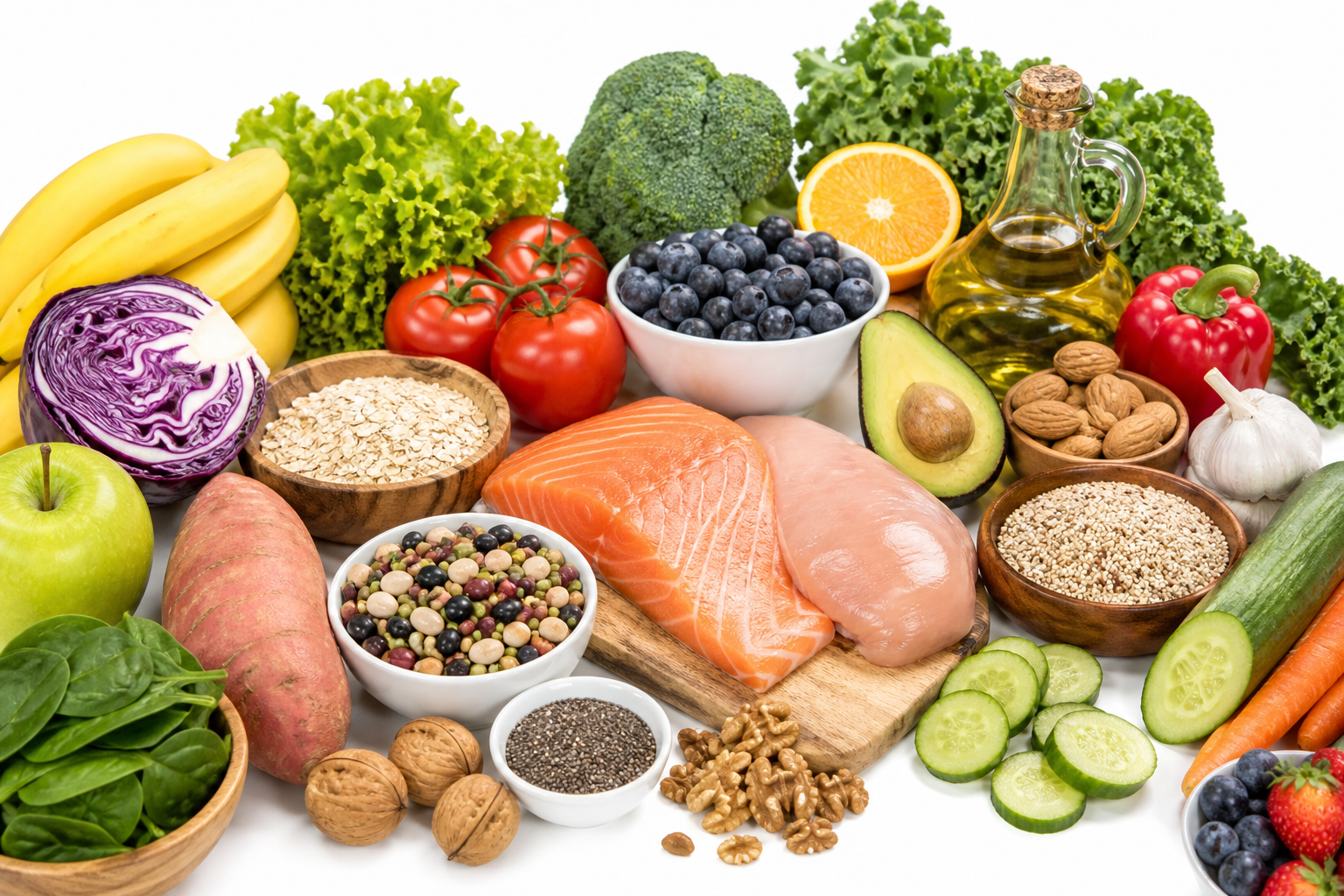
To ensure adequate intake, a balanced women’s nutrition guide recommends incorporating both heme iron (from animal sources) and non-heme iron (from plant sources). Heme iron is more readily absorbed by the body. Excellent sources include lean red meat, poultry, and fish. Non-heme iron can be found in spinach, lentils, beans, fortified cereals, and tofu.
Pairing non-heme iron sources with Vitamin C-rich foods, such as citrus fruits or bell peppers, can significantly enhance absorption. This simple dietary strategy is a powerful tip within any effective women’s nutrition guide. Regular monitoring of iron levels, especially for those at higher risk of deficiency, is also advisable.
Hormonal Harmony: A Women’s Nutrition Guide to Balance
Hormonal balance is a delicate equilibrium that impacts everything from mood and energy to metabolism and reproductive health. For many women, dietary choices play a crucial role in maintaining this balance. A well-crafted women’s nutrition guide can offer powerful strategies to support your endocrine system naturally, mitigating symptoms associated with hormonal fluctuations.
Understanding which foods can act as allies in this quest is empowering. Incorporating nutrient-dense options that support liver detoxification, gut health, and stable blood sugar levels can make a significant difference. This section of our women’s nutrition guide focuses on specific foods and dietary patterns that promote hormonal well-being.
What Foods Should Women Eat for Hormonal Balance? A Women’s Nutrition Guide Perspective
For optimal hormonal balance, a women’s nutrition guide should prioritize healthy fats, fiber, and lean proteins. Healthy fats, found in avocados, nuts, seeds, and olive oil, are essential building blocks for hormone production. Omega-3 fatty acids, in particular, found in fatty fish like salmon, can help reduce inflammation and support overall endocrine function. You can learn more about the role of diet in hormonal health from authoritative sources like the National Institutes of Health.
Fiber-rich foods, such as fruits, vegetables, and whole grains, aid in the elimination of excess hormones and toxins, supporting liver function and gut health. This is a critical component of any comprehensive women’s nutrition guide. Lean proteins like chicken, turkey, and legumes help stabilize blood sugar, preventing the spikes and crashes that can disrupt hormonal equilibrium.
Phytoestrogen-rich foods, such as flaxseeds, soy, and lentils, can also be beneficial. These plant compounds can weakly mimic estrogen in the body, potentially helping to balance hormone levels, especially during perimenopause. Limiting processed foods, refined sugars, and excessive caffeine is also key to maintaining hormonal harmony, as these can exacerbate imbalances.
Fueling Every Stage: A Women’s Nutrition Guide for Life
As women navigate different decades, their bodies undergo significant transformations, each with unique nutritional demands. A truly effective women’s nutrition guide is adaptable, providing tailored recommendations that support health and vitality through every life stage. From the vibrant energy of youth to the wisdom of later years, nutrition remains a powerful tool for well-being.
This section delves into specific dietary considerations for women over 50 and the crucial role of protein for active women. Understanding these nuances allows for a proactive approach to health, ensuring that your diet continues to serve as a foundation for strength and resilience. This holistic approach is central to any comprehensive women’s nutrition guide.
Are There Specific Dietary Recommendations for Women Over 50? A Women’s Nutrition Guide Answers
For women over 50, dietary recommendations in a women’s nutrition guide often shift to address changes associated with menopause and aging. Bone health becomes an even greater priority, necessitating increased intake of calcium and Vitamin D to combat bone density loss. Dairy products, fortified plant milks, leafy greens, and fatty fish are excellent sources.
Protein intake is also crucial for preventing sarcopenia, the age-related loss of muscle mass. Lean proteins like poultry, fish, eggs, and legumes should be emphasized. Fiber remains vital for digestive health and managing blood sugar. As metabolism naturally slows, focusing on nutrient-dense foods while carefully managing calorie intake is important to maintain a healthy weight. This thoughtful approach is a hallmark of a practical women’s nutrition guide.
Why is Protein Intake Crucial for Active Women? A Women’s Nutrition Guide Perspective
For active women, protein is an indispensable macronutrient. A specialized women’s nutrition guide for athletes or those with regular physical activity will highlight protein’s role in muscle repair and growth, which is essential after workouts. Adequate protein intake helps prevent muscle breakdown and supports recovery, allowing for consistent training and performance improvements.
Beyond muscle health, protein contributes to satiety, helping active women manage their weight and prevent overeating. It also plays a role in energy production and supports a healthy metabolism. Lean protein sources such as chicken breast, fish, Greek yogurt, lentils, and quinoa should be distributed throughout the day to maximize benefits. This strategic approach to protein is a key element of an effective women’s nutrition guide for active lifestyles.
Nurturing Your Gut: A Women’s Nutrition Guide for Digestive Health
The health of your gut microbiome profoundly influences overall well-being, impacting everything from digestion and immunity to mood and hormonal balance. A comprehensive women’s nutrition guide recognizes the gut as a foundational pillar of health, offering strategies to cultivate a thriving internal ecosystem. A balanced gut can enhance nutrient absorption, reduce inflammation, and even influence mental clarity.
Understanding how specific foods can nourish your gut bacteria is a powerful tool for improving health. This section of our women’s nutrition guide focuses on practical dietary approaches to support a diverse and robust microbiome, leading to improved digestive comfort and systemic health benefits.
How Can a Woman Improve Her Gut Health Through Diet? A Women’s Nutrition Guide Explains
To improve gut health, a women’s nutrition guide should emphasize a diverse range of plant-based foods. These foods provide the fiber that beneficial gut bacteria thrive on. Aim for a wide variety of fruits, vegetables, whole grains, nuts, and seeds. Each type of plant food feeds different strains of bacteria, promoting diversity.
Incorporating fermented foods is another excellent strategy. Options like yogurt, kefir, kimchi, sauerkraut, and kombucha introduce beneficial probiotics directly into your gut. These living microorganisms can help rebalance the microbiome and support digestive function. Prebiotic-rich foods, such as garlic, onions, leeks, asparagus, and bananas, also feed your existing good bacteria, encouraging their growth.
Adequate hydration is critical for digestive regularity and overall gut function. Drinking plenty of water throughout the day is a simple yet effective tip in any women’s nutrition guide. Limiting processed foods, artificial sweeteners, and excessive antibiotics can also help protect your delicate gut ecosystem, fostering a healthier foundation for your entire body.
Building Your Personalized Women’s Nutrition Guide
While general recommendations provide a valuable starting point, the most effective approach to lifelong health is a personalized women’s nutrition guide. Your unique body, lifestyle, preferences, and health goals should all shape your dietary plan. What works for one woman may not be ideal for another, highlighting the importance of individualization.
Creating a personalized plan involves self-assessment, research, and potentially professional guidance. This section of our women’s nutrition guide provides actionable steps to help you tailor your diet to your specific needs, ensuring sustainability and optimal results. It also addresses common questions about finding reliable resources for meal planning and nutritional information.
How to Create a Personalized Nutrition Plan for Women: A Women’s Nutrition Guide Approach
Creating a personalized women’s nutrition guide involves several key steps. Begin by assessing your current dietary habits, identifying areas for improvement. Consider your health goals, whether it’s weight management, improved energy, hormonal balance, or managing a specific condition. Factor in any dietary restrictions, allergies, or ethical preferences.
Next, focus on incorporating the powerful foods discussed in this guide, adapting them to your taste and cultural background. Experiment with meal timing and portion sizes to find what makes you feel best. Keep a food journal to track your intake and how different foods affect your body. This iterative process is crucial for refining your personalized women’s nutrition guide.
Consulting with a registered dietitian or a healthcare provider specializing in women’s health can provide invaluable personalized advice. They can help you navigate complex nutritional needs, identify potential deficiencies, and create a plan that is both effective and sustainable for your unique circumstances. This expert input can transform your approach to a women’s nutrition guide.
Can I Download a Free Women’s Nutrition Meal Plan? A Women’s Nutrition Guide Resource
Yes, many reputable health websites, government agencies, and non-profit organizations offer free downloadable women’s nutrition guide meal plans. These resources can be an excellent starting point for inspiration and structure. They often provide balanced meal ideas, portion suggestions, and recipes tailored to general women’s health needs.
While these free plans are helpful, remember that they are generic. A truly personalized women’s nutrition guide will account for your specific caloric needs, activity level, and any health conditions. Use free meal plans as a template, but always consider adapting them to your individual requirements. For more tailored guidance, professional consultation is recommended.
What is the Best Women’s Nutrition Book? A Women’s Nutrition Guide Recommendation
The “best” women’s nutrition guide book is subjective and depends on your specific interests and needs. However, look for books written by Registered Dietitians (RDs) or medical professionals that are evidence-based. Books covering specific topics like prenatal nutrition, managing PCOS, or healthy aging often provide deep, actionable insights.
Prioritize books that advocate for whole, unprocessed foods and a balanced approach rather than extreme diets. Reading reviews and checking the author’s credentials can help you choose a reliable resource. Always cross-reference information with your doctor or a qualified nutritionist to ensure it aligns with your personal health profile. This ensures your chosen women’s nutrition guide is both informative and safe.
Empower Your Health: Your Ultimate Women’s Nutrition Guide Awaits
At Comprehensive OBGYN, we believe in empowering women with knowledge for every stage of life. Our expert resources help you navigate nutrition for lasting wellness.
Expert Guidance: Your Women’s Nutrition Guide Partner
Navigating the complexities of nutrition can be challenging, especially with the abundance of conflicting information available. This is where expert guidance becomes invaluable. A qualified professional can help you cut through the noise, providing clear, evidence-based recommendations tailored specifically to your needs. This partnership is a cornerstone of an effective women’s nutrition guide.
Whether you’re dealing with specific health concerns, optimizing for a particular life stage, or simply aiming for better overall health, a specialist can offer the support and accountability you need. This section of our women’s nutrition guide explores how to find the right expert and where to source reliable information and supplements.
Who is a Good Nutritionist Specializing in Women’s Health? A Women’s Nutrition Guide Perspective
A good nutritionist specializing in women’s health typically holds credentials such as Registered Dietitian Nutritionist (RDN). RDNs have completed extensive education, supervised practice, and passed a national examination, ensuring a high level of expertise. They often have specific experience with women’s life stages, including PCOS, pregnancy, and menopause, making them ideal partners for your women’s nutrition guide.
Look for professionals who practice evidence-based nutrition and take a holistic approach, considering your lifestyle, medical history, and personal preferences. Comprehensive OBGYN can provide referrals to trusted nutritionists or offer foundational information as part of your overall health plan. This ensures your women’s nutrition guide is built on sound scientific principles.
Where to Buy Supplements Recommended in Women’s Nutrition Guides?
If your personalized women’s nutrition guide includes supplements, it is crucial to source them from reputable providers. Quality and purity can vary significantly between brands. Always prioritize supplements that have undergone third-party testing for potency and contaminants. Look for certifications from organizations like NSF International or USP.
Reputable pharmacies, health food stores with knowledgeable staff, or direct purchases from trusted professional brands are generally safer options. Always consult with a healthcare provider, such as those at Comprehensive OBGYN, before starting any new supplement regimen. This ensures the supplements are appropriate for your health needs and won’t interact negatively with medications, making your women’s nutrition guide safe and effective.
Enroll in a Women’s Nutrition Course Online? A Women’s Nutrition Guide Suggestion
For those eager to deepen their understanding, enrolling in an online women’s nutrition guide course can be an excellent option. Many universities, health platforms, and specialized nutrition academies offer courses ranging from introductory guides for personal use to professional certifications. These courses can provide structured learning and a deeper dive into specific topics relevant to women’s health.
When choosing a course, ensure it is from an accredited institution or taught by reputable experts in the field of nutrition and women’s health. This will ensure the information you receive is credible and evidence-based. An online course can empower you to take a more active role in managing your own women’s nutrition guide and supporting your family’s health.
Women’s nutrition guide is best supported by trusted medical guidance. Learn more from the American College of Obstetricians and Gynecologists.
Your Top Questions About Women’s Nutrition Answered
What are the essential nutrients for women?
Essential nutrients for women include iron, folate (especially for reproductive years), calcium and Vitamin D for bone health, magnesium, omega-3 fatty acids, and B vitamins for energy and metabolism. A balanced women’s nutrition guide emphasizes whole foods to meet these needs.
How does nutrition change for women during different life stages?
Nutrition needs evolve significantly. During reproductive years, focus on iron and folate. Pregnancy requires increased calories, protein, and specific micronutrients. Perimenopause and menopause necessitate attention to calcium, Vitamin D, and foods supporting hormonal balance to mitigate symptoms and maintain bone density.
Why is iron important in a woman’s diet?
Iron is crucial for women due to menstrual blood loss, which can lead to iron deficiency anemia. It’s vital for oxygen transport, energy production, and cognitive function. A robust women’s nutrition guide often highlights iron-rich foods like lean meats, beans, spinach, and fortified cereals.
What foods should women eat for hormonal balance?
For hormonal balance, women should prioritize foods rich in healthy fats (avocado, nuts, seeds), fiber (fruits, vegetables, whole grains), and lean proteins. Phytoestrogen-rich foods like flaxseeds and soy can also be beneficial. Limiting processed foods and excess sugar is key.
Where can I find a comprehensive women’s nutrition guide?
You can find a comprehensive women’s nutrition guide from reputable health organizations like the American College of Obstetricians and Gynecologists (ACOG), government health sites (e.g., CDC), and trusted healthcare providers such as Comprehensive OBGYN, who offer personalized advice and resources.
Are there specific dietary recommendations for women over 50?
Yes, women over 50 should focus on nutrient-dense foods, increasing calcium and Vitamin D for bone health, and protein to prevent muscle loss. Fiber is important for digestive health. Monitoring calorie intake while maximizing nutrient density is also recommended as metabolism slows.
Who is a good nutritionist specializing in women’s health?
A good nutritionist specializing in women’s health often holds certifications like Registered Dietitian Nutritionist (RDN) and has specific experience with women’s life stages (PCOS, pregnancy, menopause). Comprehensive OBGYN can provide referrals or foundational women’s nutrition guide information.
How can a woman improve her gut health through diet?
To improve gut health, women should consume a diverse range of plant-based foods, including fermented foods like yogurt and kimchi, and prebiotics found in garlic, onions, and bananas. Adequate fiber intake and hydration are also critical. A holistic women’s nutrition guide considers gut health foundational.
What are common nutritional deficiencies in women?
Common nutritional deficiencies in women include iron, Vitamin D, calcium, folate, and Vitamin B12 (especially for vegetarians/vegans). These deficiencies can impact energy, bone health, mood, and reproductive health. Regular check-ups and a well-rounded women’s nutrition guide can help prevent them.
Where to buy supplements recommended in women’s nutrition guides?
Supplements recommended in a women’s nutrition guide should ideally be purchased from reputable pharmacies, health food stores, or directly from trusted brands. Always consult with a healthcare provider, such as those at Comprehensive OBGYN, before starting any new supplement regimen to ensure safety and efficacy.
Can I download a free women’s nutrition meal plan?
Many health websites, government agencies, and non-profit organizations offer free downloadable women’s nutrition meal plans. While these can be a great starting point, remember that personalized advice from a healthcare professional or nutritionist is often more effective for individual needs.
How to create a personalized nutrition plan for women?
Creating a personalized women’s nutrition plan involves assessing individual health goals, dietary preferences, lifestyle, and any specific health conditions. Consulting with a registered dietitian or a healthcare provider at Comprehensive OBGYN can help tailor a plan that is effective and sustainable.
What is the best women’s nutrition book?
The “best” women’s nutrition book varies by individual needs, but look for books written by Registered Dietitians or medical professionals that are evidence-based, such as those covering specific topics like prenatal nutrition, managing PCOS, or healthy aging. Always cross-reference advice with your doctor.
Why is protein intake crucial for active women?
Protein intake is crucial for active women for muscle repair and growth, satiety, and maintaining a healthy metabolism. It supports energy levels and helps prevent injury. A comprehensive women’s nutrition guide for active individuals emphasizes lean protein sources throughout the day.
Enroll in a women’s nutrition course online?
Many universities, health platforms, and specialized nutrition academies offer online women’s nutrition courses. These can range from introductory guides for personal use to professional certifications. Ensure the course is from an accredited institution or reputable expert to gain credible knowledge.
Your Path to Lifelong Vitality with a Women’s Nutrition Guide
Embracing a comprehensive women’s nutrition guide is a powerful step toward achieving and maintaining lifelong health and vitality. We’ve explored the critical role of essential nutrients, the dynamic shifts in dietary needs across different life stages, and the profound impact of food on hormonal balance and gut health. By focusing on nutrient-dense, whole foods, you can proactively address common deficiencies and empower your body to thrive.
Remember that your nutritional journey is unique. While this women’s nutrition guide provides a robust framework, personalization is key. Consulting with healthcare professionals can help you tailor a plan that perfectly aligns with your individual needs and goals. By making informed choices and prioritizing your dietary well-being, you are investing in a healthier, more vibrant future.