
Menopause Bladder Changes: 7 Ultimate Strategies for Lasting Comfort
Menopause bladder changes can significantly impact daily life, often bringing discomfort and a sense of unease. You might experience frequent urges, unexpected leaks, or a general feeling that your bladder isn’t as reliable as it once was. The good news is that relief and lasting comfort are entirely within reach. At Comprehensive OBGYN, we understand these unique challenges and are dedicated to providing clear, supportive guidance.
This article outlines 7 ultimate strategies to help you effectively manage menopausal bladder symptoms. We aim to empower you with patient-friendly information and practical steps, ensuring you feel informed, supported, and ready to discuss your concerns with your provider in Coral Springs, FL.
Key Takeaways
- Understand the hormonal shifts that cause bladder changes during menopause, including the impact on tissue health.
- Master targeted pelvic floor exercises to strengthen essential muscles and improve bladder control.
- Explore both non-hormonal and hormonal medical treatments that can significantly alleviate persistent symptoms.
- Learn how specific dietary adjustments and lifestyle modifications can reduce bladder irritation and discomfort.
- Discover effective products and management techniques for daily confidence and protection against leaks.
- Recognize when professional evaluation is crucial and how Comprehensive OBGYN offers personalized solutions.
- Embrace a proactive approach to regain comfort and improve your overall quality of life during this stage.
Strategy 1: Understanding Why Menopause Affects Your Bladder
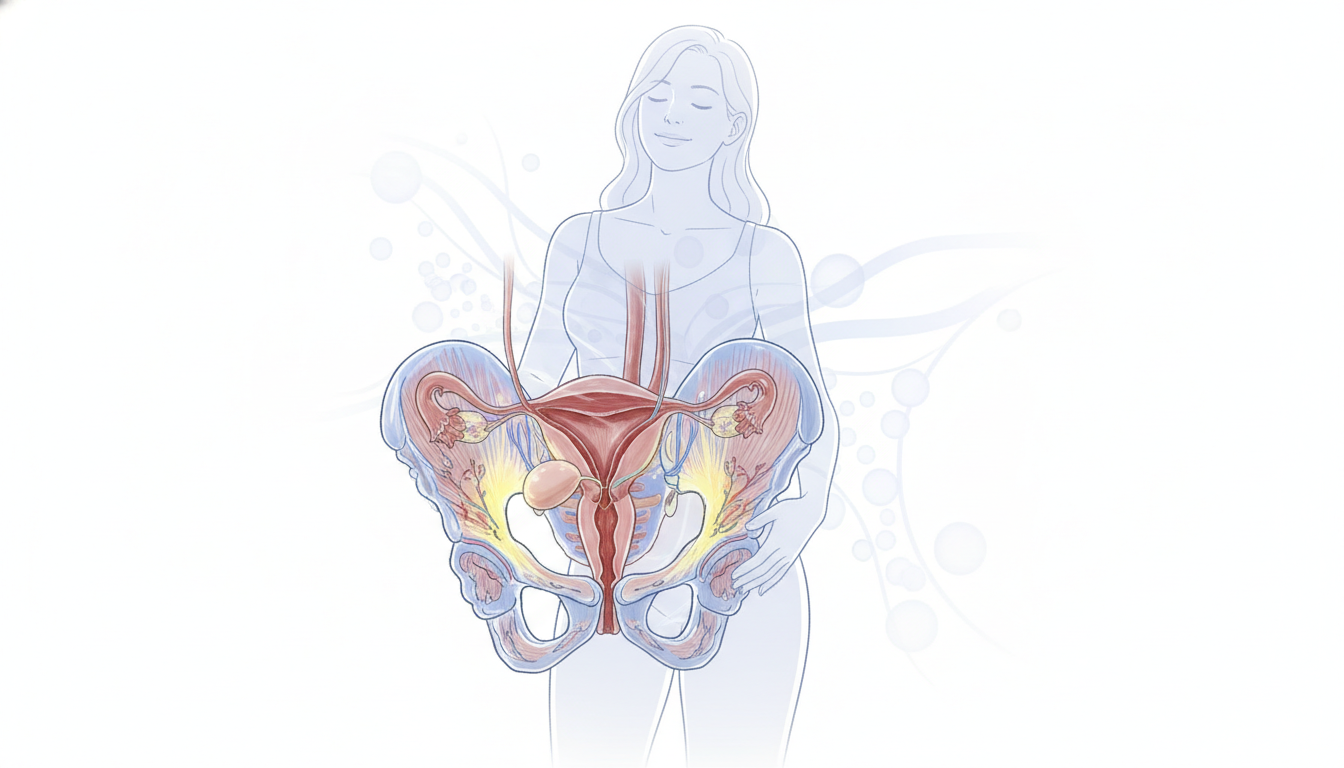
One of the first steps to managing menopause bladder changes is understanding their root cause. As you transition through menopause, your body experiences a significant decline in estrogen levels. This hormonal shift has a profound impact on the tissues throughout your body, including those in your urinary tract and pelvic floor.
Estrogen plays a crucial role in maintaining the elasticity, strength, and health of the bladder lining and the urethra. With less estrogen, these tissues can become thinner, drier, and less flexible, a condition often referred to as genitourinary syndrome of menopause (GSM) or vaginal and bladder atrophy. This thinning can lead to increased sensitivity, urgency, and frequency of urination.
Furthermore, the supportive muscles of the pelvic floor, which help control bladder function, may also weaken, contributing to issues like stress incontinence.
Recognizing these physiological changes is key to finding effective solutions. For instance, understanding that your bladder lining is more delicate can help you make informed choices about diet and hydration, reducing potential irritants. Comprehensive OBGYN provides clear, easy-to-understand explanations of these changes, ensuring you feel empowered with knowledge about your body.

Strategy 2: Mastering Pelvic Floor Exercises for Enhanced Control
Strengthening your pelvic floor muscles is a cornerstone strategy for improving bladder control during menopause. These muscles form a sling-like structure that supports your bladder, uterus, and bowel. When they are strong, they can effectively prevent leaks and reduce urgency. The most well-known and effective exercises for this are Kegels.
To perform a Kegel exercise correctly, imagine you are trying to stop the flow of urine or prevent passing gas. Contract these muscles, lifting them upwards and inwards, without tensing your abdomen, buttocks, or thighs. Hold the contraction for 3-5 seconds, then relax for 5 seconds. Aim for 10-15 repetitions, three times a day. Consistency is vital; you might start noticing improvements in bladder control within 4-6 weeks.
Beyond Kegels, incorporating core-strengthening exercises like Pilates or certain yoga poses can further support your pelvic floor. These exercises improve overall muscle synergy, which can indirectly benefit bladder function. For personalized guidance and to ensure you are performing these exercises correctly, our team at Comprehensive OBGYN can offer patient-friendly tips and resources, helping you maximize their effectiveness.
Strategy 3: Exploring Medical Treatments for Bladder Comfort
When lifestyle changes and pelvic floor exercises aren’t enough, various medical treatments can offer significant relief for menopausal bladder issues. These options range from medications to minimally invasive procedures, tailored to the specific type and severity of your symptoms. It is crucial to discuss these with a healthcare provider to determine the best course of action for your individual needs.
For an overactive bladder, medications like anticholinergics or beta-3 agonists can help relax the bladder muscle, reducing urgency and frequency. These are often prescribed after a thorough evaluation of your symptoms and medical history. Another option for some women might be Botox injections into the bladder muscle, which can temporarily paralyze specific nerves, offering relief for several months.
For severe stress incontinence, where leakage occurs with coughing, sneezing, or laughing, surgical options may be considered. Procedures like mid-urethral slings provide support to the urethra, helping to prevent involuntary urine loss. Our providers at Comprehensive OBGYN in Coral Springs can discuss these advanced treatments, explaining the benefits and risks, and helping you make an informed decision about your care.
Strategy 4: Evaluating Hormone Therapy’s Impact on Bladder Health
Hormone therapy (HT), particularly estrogen therapy, can be a highly effective strategy for addressing bladder problems linked to menopause. As discussed, declining estrogen levels directly contribute to the thinning and weakening of bladder and urethral tissues. By replenishing estrogen, HT can help restore the health and elasticity of these tissues.
For symptoms primarily related to genitourinary syndrome of menopause (GSM), such as vaginal dryness, painful intercourse, urinary urgency, and painful urination, localized estrogen therapy is often recommended. This involves applying estrogen directly to the vaginal area via creams, rings, or tablets. Because the estrogen is delivered locally, it has minimal systemic absorption, reducing potential risks while effectively targeting the affected tissues.
This approach can significantly reduce symptoms like urgency, frequency, and discomfort, and may also decrease the incidence of recurrent urinary tract infections.
Systemic hormone therapy, which involves estrogen taken orally or through a patch, can also improve bladder symptoms, especially when combined with other menopausal symptoms like hot flashes. The decision to pursue hormone therapy is a personal one, made in consultation with your healthcare provider. At Comprehensive OBGYN, we provide personalized guidance, helping you weigh the benefits and risks to determine if HT is a suitable option for your unique health profile.
Strategy 5: Optimizing Your Diet and Lifestyle for Bladder Wellness
Many women find that simple adjustments to their diet and daily habits can significantly improve menopause bladder changes. Certain foods and drinks are known bladder irritants and can exacerbate symptoms like urgency and frequency. Identifying and reducing your intake of these can make a noticeable difference.
Bladder-Irritating Foods and Drinks to Consider Avoiding:
- Caffeine: Found in coffee, tea, and some sodas, caffeine acts as a diuretic and can irritate the bladder.
- Alcohol: Alcohol can also irritate the bladder and interfere with signals to the brain.
- Acidic Foods: Citrus fruits, tomatoes, and vinegar can sometimes trigger bladder discomfort.
- Spicy Foods: The capsaicin in spicy foods can irritate the bladder lining.
- Artificial Sweeteners: Some individuals report increased bladder symptoms after consuming artificial sweeteners.
Beyond diet, lifestyle modifications are powerful tools. Bladder training involves gradually increasing the time between bathroom visits to help your bladder hold more urine. Maintaining adequate hydration with water is essential, as concentrated urine can be more irritating. Regular bowel movements also help, as constipation can put pressure on the bladder. Quitting smoking is another crucial step, as nicotine can irritate the bladder and coughing can worsen stress incontinence.
For more detailed guidance, the National Institute of Diabetes and Digestive and Kidney Diseases (NIDDK) offers extensive resources on bladder health.
Strategy 6: Selecting the Best Products for Incontinence Management
Living with bladder leakage can be stressful, but a wide array of products is available to help you manage symptoms discreetly and confidently. Choosing the right products depends on the type and amount of leakage you experience, as well as your lifestyle. These solutions are designed to provide comfort and protection, allowing you to maintain your daily activities without worry.
For light leakage, small, absorbent pads designed for urinary incontinence are often sufficient. These are thinner and more absorbent than menstrual pads. For moderate to heavy leakage, protective underwear or adult diapers offer greater absorbency and security. Many brands now offer discreet, comfortable options that fit like regular underwear. You can find these products at most pharmacies, large retail stores, and online. Exploring different brands and absorbency levels can help you find what works best for you.
Beyond absorbent products, some women find relief with specialized devices. Pessaries, for example, are devices inserted into the vagina that can provide support to the urethra and bladder, helping to reduce stress incontinence. Consulting with your provider at Comprehensive OBGYN can help you explore these options and choose the most appropriate solutions for your specific needs, ensuring you feel confident and comfortable.
Find Comfort and Solutions for Menopausal Bladder Issues
At Comprehensive OBGYN in Coral Springs, we understand the unique challenges of menopause. Our compassionate team provides personalized care and effective strategies to help you regain bladder control and improve your quality of life.
Strategy 7: Partnering with Comprehensive OBGYN for Personalized Solutions
While self-help strategies are valuable, it is essential to know when to seek professional medical advice for menopause bladder changes. If your symptoms are significantly impacting your quality of life, causing distress, or if you notice new or worsening symptoms, it is time for a comprehensive evaluation. A healthcare provider can accurately diagnose the cause of your bladder issues and recommend the most effective treatment plan.
At Comprehensive OBGYN in Coral Springs, FL, our team specializes in women’s health through all life stages, including menopause. We provide a warm, educational environment where you can openly discuss your concerns. Our approach involves a thorough assessment, which may include a physical exam, urine tests, and a detailed discussion of your symptoms and medical history.
This allows us to create a personalized treatment plan that addresses your unique needs, whether it involves lifestyle modifications, medication, hormone therapy, or other interventions.
We believe in fostering meaningful conversations with your provider, ensuring you feel informed, supported, and encouraged every step of the way. Our goal is to help you regain bladder control and improve your overall well-being, mirroring the calm, bright, and educational experience we strive for in our waiting room and through our blog resources. Don’t hesitate to reach out for expert care.
Key Takeaways
- Understanding the hormonal basis of menopause bladder changes is the first step toward effective management.
- Consistent pelvic floor exercises, like Kegels, are crucial for strengthening supportive muscles and improving control.
- Medical treatments, including medications and procedures, offer targeted relief for persistent or severe bladder symptoms.
- Hormone therapy, especially localized estrogen, can effectively restore bladder and urethral tissue health.
- Dietary adjustments and lifestyle changes can significantly reduce bladder irritation and support overall urinary wellness.
- Various products are available to manage incontinence, providing comfort and confidence in daily life.
- Seeking professional guidance from Comprehensive OBGYN ensures a personalized diagnosis and treatment plan for lasting comfort.
Conclusion
Addressing menopause bladder changes is a vital step toward maintaining your comfort and quality of life. By understanding the underlying causes and exploring the 7 ultimate strategies discussed, you can take proactive steps to manage your symptoms effectively. Remember that you don’t have to go through these changes alone.
Comprehensive OBGYN in Coral Springs, FL, is here to provide the expert care and compassionate support you deserve. We encourage you to schedule a consultation with our team to discuss your specific concerns and develop a personalized plan for lasting bladder comfort.
Menopause bladder changes is best supported by trusted medical guidance. Learn more from the American College of Obstetricians and Gynecologists.
Is frequent urination a symptom of menopause?
Yes, frequent urination is a common symptom during menopause. Hormonal shifts, particularly a decrease in estrogen, can thin the bladder lining and weaken pelvic floor muscles, leading to increased urinary frequency and urgency. This change is often referred to as genitourinary syndrome of menopause (GSM).
How quickly can I expect to see results from pelvic floor exercises?
Consistency is key with pelvic floor exercises. Many women begin to notice improvements in bladder control and reduced leakage within 4 to 6 weeks of regular practice. For optimal results, it’s recommended to continue these exercises long-term, performing them three times a day with 10-15 repetitions per session.
Are there specific lifestyle changes, beyond diet, that can help?
Absolutely. Beyond dietary adjustments, lifestyle changes like bladder training can be very effective. This involves gradually increasing the time between bathroom visits to help your bladder hold more urine. Maintaining a healthy weight, avoiding constipation, and quitting smoking also significantly support bladder health during menopause.
What’s the difference between urgency and stress incontinence?
Urgency incontinence is characterized by a sudden, strong urge to urinate that is difficult to defer, often leading to involuntary leakage. Stress incontinence, on the other hand, occurs when urine leaks due to increased abdominal pressure from activities like coughing, sneezing, laughing, or exercising. Both can be symptoms of menopause bladder changes.
When should I consider a consultation with a specialist like Comprehensive OBGYN?
You should consider a consultation if your bladder symptoms are significantly impacting your daily life, causing discomfort or embarrassment, or if self-help strategies are not providing sufficient relief. Comprehensive OBGYN in Coral Springs specializes in women’s health and can provide a thorough evaluation and personalized treatment plan.
Can certain medications worsen bladder issues during menopause?
Yes, some medications can potentially worsen bladder issues. Diuretics, certain antidepressants, sedatives, and some cold and allergy medications can affect bladder function or increase urine production. Always discuss all medications you are taking with your healthcare provider, especially if you are experiencing bladder problems.
Are there non-hormonal medical treatments available for bladder issues?
Yes, several non-hormonal medical treatments are available. These can include medications that relax the bladder muscle to reduce urgency and frequency, such as anticholinergics or beta-3 agonists. For stress incontinence, physical therapy, specialized devices, or surgical options like mid-urethral slings may be considered, depending on the severity.
How often should I perform pelvic floor exercises for best results?
For the best results in improving bladder control, pelvic floor exercises (Kegels) should be performed consistently, typically three times a day. Each session should include 10-15 repetitions, holding each contraction for 3-5 seconds and relaxing for 5 seconds. Regularity over several weeks to months is crucial for strengthening these muscles effectively.
Is frequent urination a symptom of menopause?
Yes, frequent urination is a common symptom during menopause. Hormonal shifts, particularly a decrease in estrogen, can thin the bladder lining and weaken pelvic floor muscles, leading to increased urinary frequency and urgency. This change is often referred to as genitourinary syndrome of menopause (GSM).
Can hormone therapy help with bladder problems in menopause?
Hormone therapy (HT), particularly estrogen therapy, can be effective in alleviating some bladder issues linked to menopause. Estrogen helps restore the health and elasticity of tissues in the bladder and urethra, potentially reducing symptoms like urgency, frequency, and discomfort. Your provider can discuss if this is a suitable option for you.
What is vaginal and bladder atrophy during menopause?
Vaginal and bladder atrophy, also known as genitourinary syndrome of menopause (GSM), describes the thinning, drying, and inflammation of vaginal and urinary tissues due to declining estrogen levels. This can lead to symptoms such as vaginal dryness, painful intercourse, urinary urgency, painful urination, and increased susceptibility to urinary tract infections.
Are there natural remedies for bladder weakness after menopause?
While not a substitute for medical advice, some women find relief from bladder weakness through lifestyle adjustments. These can include dietary changes to avoid irritants like caffeine and acidic foods, maintaining adequate hydration, and incorporating bladder training techniques. Consulting with a healthcare provider can help you explore safe and effective options.
Who specializes in treating menopause-related bladder dysfunction?
Gynecologists, urogynecologists, and primary care physicians specializing in women’s health are experts in treating menopause-related bladder dysfunction. At Comprehensive OBGYN, our team is dedicated to providing specialized care, offering comprehensive evaluations and personalized treatment plans for bladder concerns associated with this life stage.
Where can I find products for menopausal urinary incontinence?
A variety of products are available to help manage menopausal urinary incontinence, ranging from absorbent pads and protective underwear to specialized intravaginal devices. You can find these at most pharmacies, medical supply stores, and online retailers. Discussing options with your OBGYN can help you choose the most appropriate solutions for your needs.
What lifestyle changes support bladder health during menopause?
Several lifestyle adjustments can significantly support bladder health during menopause. These include maintaining a healthy weight, avoiding bladder irritants like coffee, alcohol, and spicy foods, ensuring adequate water intake, and practicing regular bowel movements to avoid constipation. Quitting smoking can also reduce bladder irritation.
Are there specific exercises for menopausal bladder control beyond Kegels?
Beyond Kegel exercises, which are crucial for strengthening the pelvic floor, other exercises can support bladder control. Core strengthening exercises, Pilates, and yoga can improve overall muscle support and posture, indirectly benefiting bladder function. Biofeedback therapy, often guided by a pelvic floor physical therapist, can also help women learn to effectively engage these muscles.