
Postpartum Sleep Deprivation: 9 Brilliant Strategies for New Parents
Postpartum Sleep Deprivation is a profound challenge faced by countless new parents, transforming the joyous arrival of a baby into a relentless cycle of exhaustion. The demands of newborn care, coupled with hormonal shifts and recovery from childbirth, can leave parents feeling overwhelmed and depleted. This guide offers a beacon of hope, providing 9 brilliant, actionable strategies to help you navigate this demanding period and reclaim much-needed rest.

Understanding the root causes and impacts of this intense fatigue is the first step toward finding effective solutions. We will explore practical tips, support systems, and expert advice designed to help you not just survive, but thrive during your postpartum journey. Your well-being is paramount, and achieving more restful nights is an essential part of embracing new parenthood with greater energy and peace.
Key Takeaways for Postpartum Sleep Deprivation
- Recognize the common symptoms and profound impact of Postpartum Sleep Deprivation on physical and mental health.
- Discover 9 brilliant, actionable strategies to help new parents maximize sleep opportunities and manage fatigue effectively.
- Understand the crucial role of support systems, from partners and family to professional help like night doulas.
- Learn how to optimize your sleep environment and daily routines to improve sleep quality, even in short bursts.
- Prioritize self-care and mental well-being as essential components of coping with the challenges of new parenthood.
What is Postpartum Sleep Deprivation? Understanding the Challenge
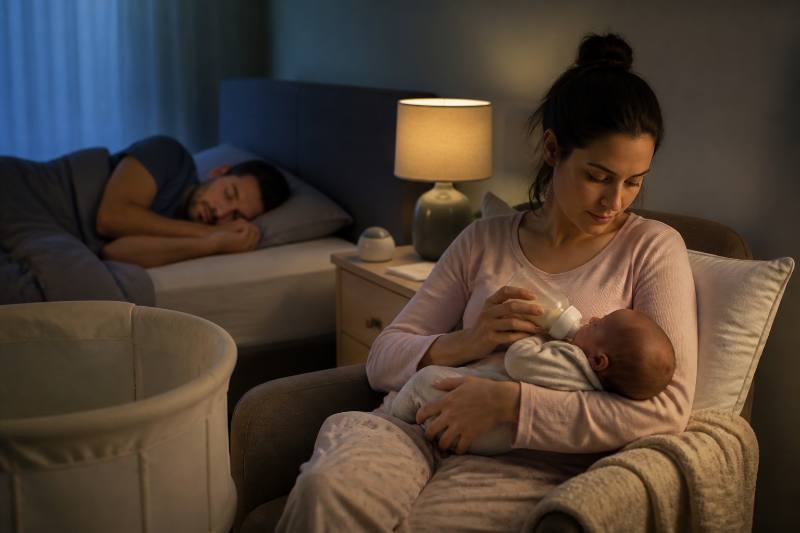
Postpartum Sleep Deprivation is the severe and chronic lack of adequate sleep experienced by new parents following childbirth. This isn’t just feeling tired; it’s a profound exhaustion stemming from the round-the-clock demands of caring for a newborn. Frequent night feedings, diaper changes, and comforting a crying baby disrupt natural sleep cycles, making sustained, restorative rest nearly impossible.
This period is characterized by fragmented sleep, where parents might get short bursts of rest but rarely achieve deep, uninterrupted sleep. The body and mind are constantly on alert, making it difficult to fully relax even when an opportunity for sleep arises. It’s a universal experience for new parents, but its intensity and duration can vary significantly.
How Long Does Postpartum Sleep Deprivation Typically Last?
The duration of Postpartum Sleep Deprivation is highly individual, but it commonly extends for several months. Many parents find some relief as their baby begins to establish more predictable sleep patterns, often around 3-6 months. However, for some, the challenges can persist well beyond the first year, especially with factors like teething, sleep regressions, or multiple children.
It’s important to remember that this phase is temporary, even if it feels endless in the moment. Focusing on small, manageable improvements can make a significant difference in coping with the ongoing demands. Seeking support early can also help mitigate the long-term impact of chronic sleep loss.
What Are the Common Symptoms of Postpartum Sleep Deprivation?
The symptoms of Postpartum Sleep Deprivation are extensive and can impact every aspect of a new parent’s life. Beyond the obvious extreme fatigue, individuals often experience heightened irritability, difficulty concentrating, and significant memory problems, often referred to as
Beat Postpartum Sleep Deprivation with Expert Support
Comprehensive OBGYN offers compassionate care and practical advice for new parents navigating the challenges of sleep deprivation. Our specialists are here to support your well-being.
Frequently Asked Questions About Postpartum Sleep Deprivation
What is postpartum sleep deprivation?
Postpartum sleep deprivation is the severe lack of adequate sleep experienced by new parents after childbirth, often due to the demanding schedule of newborn care. It’s a common and challenging phase that can significantly impact physical and mental health.
How long does postpartum sleep deprivation typically last?
The duration of postpartum sleep deprivation varies greatly among individuals, but it commonly lasts for several months, often until the baby establishes more consistent sleep patterns. For some, it can extend beyond the first year.
What are the common symptoms of postpartum sleep deprivation?
Common symptoms include extreme fatigue, irritability, difficulty concentrating, memory problems, mood swings, increased anxiety or depression, and impaired decision-making. Physical symptoms like headaches and weakened immunity can also occur.
Why do new mothers experience such severe sleep deprivation?
New mothers experience severe sleep deprivation primarily due to frequent night feedings, diaper changes, and comforting a newborn. Hormonal shifts post-delivery, along with the emotional and physical demands of recovery, also contribute significantly.
How can I effectively cope with postpartum sleep deprivation?
Effective coping strategies for postpartum sleep deprivation include “sleeping when the baby sleeps,” accepting help from partners or family, prioritizing rest over chores, and establishing a consistent, calming bedtime routine when possible.
Who can help me manage extreme postpartum sleep deprivation?
For extreme postpartum sleep deprivation, support can come from partners, family members, friends, or professionals like pediatricians, OBGYNs, lactation consultants, night doulas, or therapists specializing in postpartum care. Don’t hesitate to ask for help.
Are there specific remedies or treatments for postpartum insomnia?
While there isn’t a single “cure,” remedies for postpartum insomnia often involve improving sleep hygiene, seeking support for nighttime baby care, and addressing underlying anxiety or depression. In some cases, a healthcare provider might suggest temporary, safe interventions.
Where can I find support groups for new moms with sleep issues?
Support groups for new moms with sleep issues can be found through local hospitals, community centers, online forums, and parenting organizations. Your OBGYN or pediatrician can also provide referrals to local resources.
What are the potential long-term health effects of chronic postpartum sleep loss?
Chronic postpartum sleep loss can lead to long-term health effects such as increased risk of chronic fatigue syndrome, heightened susceptibility to mental health disorders like depression and anxiety, cardiovascular issues, and impaired immune function.
How does postpartum sleep deprivation impact mental health?
Postpartum sleep deprivation profoundly impacts mental health by exacerbating mood swings, increasing irritability, and significantly elevating the risk for postpartum depression and anxiety. It can also impair cognitive function and emotional regulation.
What are the best sleep aids or products for new parents struggling with sleep?
While no magic bullet exists, helpful sleep aids for new parents might include white noise machines, blackout curtains, comfortable bedding, and gentle relaxation techniques. Always consult a doctor before using any supplements or medications.
Why is sleep hygiene crucial during the postpartum period?
Sleep hygiene is crucial during the postpartum period because establishing good sleep habits, even in short bursts, can maximize the quality of the sleep obtained. This includes a dark, quiet room, avoiding screens before rest, and consistent sleep cues.
Can a night doula or night nurse help alleviate postpartum sleep deprivation?
Yes, a night doula or night nurse can significantly alleviate postpartum sleep deprivation by taking over nighttime baby care, allowing parents to get uninterrupted blocks of sleep. They provide expert support and allow for parental rest.
How to create a sustainable sleep schedule with a newborn?
Creating a sustainable sleep schedule with a newborn involves understanding that strict schedules are often unrealistic initially. Focus on routines, maximizing daytime rest, and splitting night duty with a partner to ensure both parents get some restorative sleep.
What support is available for partners of mothers experiencing postpartum sleep deprivation?
Partners of mothers experiencing postpartum sleep deprivation can find support through open communication, sharing night duties, seeking advice from healthcare providers, and joining parenting groups. It’s essential for partners to also prioritize their own well-being.
Learn more from authoritative resources: Consumer Reports and HGTV.