
Navigating menopause can bring a range of changes, but understanding effective Menopause Diet Tips can empower you to manage symptoms and enhance your overall well-being. This significant life stage, marked by hormonal shifts, often presents challenges such as hot flashes, weight fluctuations, and bone density concerns. However, strategic dietary choices offer a powerful pathway to alleviate these symptoms and support your health. In this comprehensive guide, we will explore the science-backed nutritional strategies that can make a profound difference. We’ll delve into 8 powerful food groups, discuss essential nutrients, and provide actionable advice to help you craft a personalized eating plan. Consider this your authoritative resource to discover how a well-chosen diet can lead to a more comfortable and vibrant menopause journey.
Key Takeaways for Effective Menopause Diet Tips
- Discover how specific food groups can naturally alleviate common menopause symptoms like hot flashes and mood swings.
- Learn the crucial role of a balanced diet in managing weight gain and preserving bone density during this transitional phase.
- Understand which foods to prioritize and which to limit to optimize hormonal balance and overall well-being.
- Gain practical insights into creating a sustainable and enjoyable meal plan tailored to your unique menopause needs.
Understanding the Power of Menopause Diet Tips
Menopause is a natural biological process, but its accompanying symptoms can significantly impact daily life. From fluctuating hormones to changes in metabolism, the body undergoes a profound transformation. This is precisely why adopting strategic Menopause Diet Tips becomes not just beneficial, but essential. A well-structured diet can act as a powerful tool, helping to stabilize hormone levels, reduce the frequency and intensity of hot flashes, support bone health, and manage weight gain.
Many women experience a shift in metabolism during menopause, making weight management more challenging. A diet rich in whole foods, lean proteins, and healthy fats can help maintain a healthy weight and reduce the risk of chronic diseases. Furthermore, the decline in estrogen can accelerate bone density loss, highlighting the critical importance of calcium and Vitamin D intake. Effective Menopause Diet Tips focus on providing these vital nutrients through food.
Essential Menopause Diet Tips for Symptom Management
Diet plays a pivotal role in mitigating various menopause symptoms. For instance, certain foods can help regulate body temperature, thereby reducing hot flashes. Others contribute to better sleep quality and stabilize mood swings, which are common complaints during this period. The goal is to nourish your body in a way that supports its natural processes, making the transition smoother and more comfortable. Incorporating these Menopause Diet Tips into your daily routine can significantly improve your quality of life.
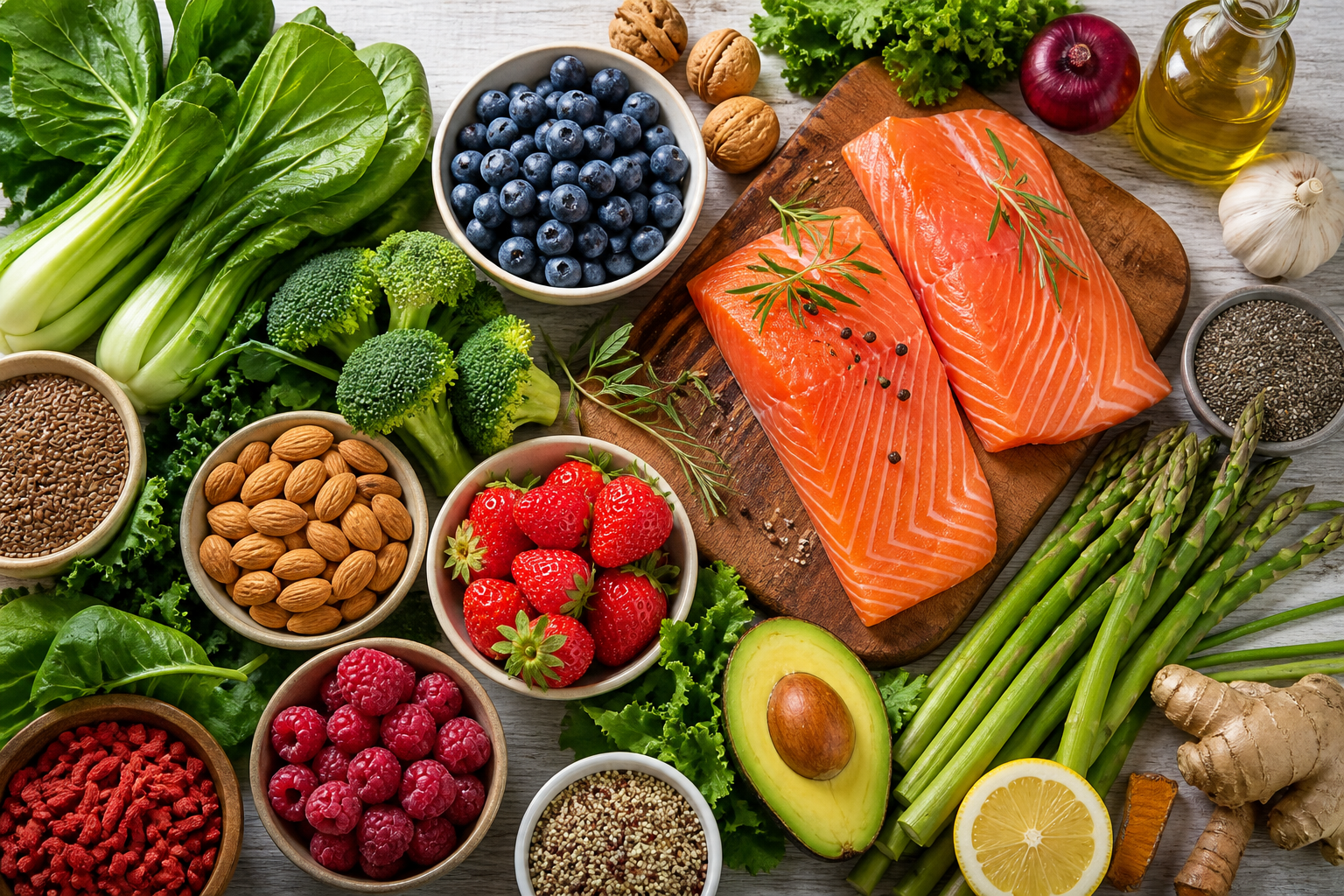
8 Powerful Foods: Core Menopause Diet Tips
When it comes to managing menopause symptoms and promoting overall health, certain foods stand out for their unique benefits. These are the cornerstones of effective Menopause Diet Tips, offering a rich array of nutrients designed to support your body through hormonal changes. Prioritizing these foods can help you feel more energetic, balanced, and resilient.
1. Phytoestrogen-Rich Foods: Key Menopause Diet Tips
Phytoestrogens are plant compounds that mimic estrogen in the body, potentially helping to balance hormone levels and reduce hot flashes. Incorporating foods like flaxseeds, soybeans (tofu, tempeh, edamame), chickpeas, and lentils can be incredibly beneficial. A study published in the Journal of the American Medical Association highlighted the positive effects of soy isoflavones on menopausal symptoms. These foods are also excellent sources of fiber and protein.
2. Omega-3 Fatty Acids for Hot Flashes and Mood
Found in fatty fish like salmon, mackerel, and sardines, as well as flaxseeds and walnuts, omega-3 fatty acids are powerful anti-inflammatory agents. They can help reduce the severity of hot flashes and support brain health, potentially easing mood swings and improving cognitive function. These healthy fats are crucial for a well-rounded menopause diet.
3. Calcium-Rich Foods for Bone Health
Bone density loss is a major concern during menopause. To combat this, a diet rich in calcium is paramount. Dairy products, fortified plant milks, leafy green vegetables (kale, spinach), and fortified cereals are excellent sources. Pairing calcium with Vitamin D is essential for absorption, making these vital bone-boosting Menopause Diet Tips.
4. Vitamin D Sources for Overall Well-being
Vitamin D is crucial for calcium absorption and bone health, but it also plays a role in mood regulation and immune function. Sunlight is a primary source, but dietary options include fatty fish, fortified dairy, and egg yolks. Many women may also benefit from supplements, but always consult a doctor first.
5. Whole Grains for Stable Energy
Opt for whole grains like oats, brown rice, quinoa, and whole-wheat bread over refined grains. They provide sustained energy, help regulate blood sugar levels, and are rich in fiber, which aids digestion and can help manage weight. This is a fundamental aspect of effective Menopause Diet Tips for energy management.
6. Lean Proteins for Muscle Mass and Satiety
Maintaining muscle mass becomes more challenging with age. Lean proteins such as chicken, turkey, fish, beans, lentils, and tofu are essential for preserving muscle, which in turn supports metabolism and weight management. Adequate protein intake also promotes satiety, helping to prevent overeating.
7. Fruits and Vegetables for Antioxidants
These nutrient powerhouses are packed with vitamins, minerals, and antioxidants that protect cells from damage and reduce inflammation. Aim for a wide variety of colors to ensure a broad spectrum of nutrients. Berries, broccoli, bell peppers, and leafy greens are particularly beneficial for a healthy menopause diet.
8. Healthy Fats from Avocados and Nuts
Beyond omega-3s, other healthy fats found in avocados, nuts (almonds, walnuts), and olive oil are important. They support hormone production, provide satiety, and contribute to healthy skin and hair. These fats are a key component of a balanced menopause diet.

Crafting Your Personalized Menopause Diet Tips Plan
Creating a meal plan that works for you involves more than just knowing which foods to eat; it’s about integrating these choices into your lifestyle. The Mediterranean diet is often recommended for menopause due to its emphasis on plant-based foods, healthy fats, and lean proteins. This dietary pattern has been shown to reduce hot flashes, support heart health, and aid in weight management. It’s an excellent framework for your menopause diet tips.
The Mediterranean Diet’s Role in Menopause Diet Tips
This eating style prioritizes fruits, vegetables, whole grains, legumes, nuts, and olive oil, with moderate amounts of fish and poultry, and limited red meat and sweets. Its anti-inflammatory properties and nutrient density make it ideal for managing various menopause symptoms, including mood swings and sleep disturbances. For those seeking menopause-friendly diet recipes, countless resources online offer Mediterranean-inspired dishes.
How Much Protein Do I Need Daily During Menopause?
During menopause, protein needs increase to help preserve muscle mass. Aim for approximately 0.8 to 1 gram of protein per pound of body weight daily. Distribute protein intake evenly throughout your meals to maximize muscle protein synthesis. This is a crucial consideration for your menopause diet tips, especially if you are active.
Avoiding Common Mistakes in Menopause Diet Tips
Many women make common dietary mistakes that can exacerbate menopause symptoms. These include excessive consumption of processed foods, refined sugars, caffeine, and alcohol. These items can trigger hot flashes, disrupt sleep, and contribute to weight gain. Spicy foods can also be a culprit for some individuals. Being mindful of these triggers is a vital part of effective menopause diet tips.
Discover Personalized Menopause Diet Tips for Your Journey
At Comprehensive OBGYN, we provide expert guidance and compassionate care to help you navigate menopause with confidence and optimal well-being.
Seeking Expert Guidance for Menopause Diet Tips
While general dietary advice is helpful, individual needs can vary significantly. For those seeking specialized guidance, a nutritionist focusing on women’s health or a registered dietitian can provide tailored Menopause Diet Tips. These professionals can help assess your specific symptoms, health conditions, and lifestyle to create a truly personalized meal plan. They can also advise on where to buy menopause-specific diet foods or meal kits, if desired.
What Supplements are Beneficial for a Menopause Diet?
While a balanced diet is the foundation, certain supplements can complement your menopause diet. Vitamin D, calcium, magnesium, and omega-3 fatty acids are commonly recommended. However, it is crucial to consult with your primary care physician or a gynecologist, like those at Comprehensive OBGYN, before starting any new supplements. They can assess your individual needs and potential interactions with medications, ensuring your menopause diet is both safe and effective.
Should I Consult a Doctor Before Starting a New Menopause Diet Tips Plan?
Absolutely. Before making significant changes to your diet or starting new supplements, always consult with a healthcare professional. They can provide personalized advice based on your medical history, current health status, and specific menopause symptoms. This ensures that your chosen menopause diet tips are appropriate and beneficial for your unique health journey.
Frequently Asked Questions About Menopause Diet Tips
What foods are best to eat during menopause?
Focus on whole, unprocessed foods like fruits, vegetables, whole grains, lean proteins, and healthy fats. Incorporate phytoestrogen-rich foods such as flaxseeds, soybeans, and chickpeas to support hormonal balance and manage menopause diet needs.
How can diet help manage menopause symptoms like hot flashes?
A menopause diet rich in omega-3 fatty acids (found in fish like salmon), phytoestrogens, and antioxidants can help regulate body temperature and reduce the frequency and intensity of hot flashes. Avoiding trigger foods is also beneficial.
Which foods should women avoid during menopause to alleviate symptoms?
Minimize processed foods, refined sugars, excessive caffeine, alcohol, and very spicy foods. These can exacerbate hot flashes, sleep disturbances, and mood swings. A balanced menopause diet is key to symptom relief.
Are there specific diets recommended for menopause weight gain?
The Mediterranean diet is highly recommended for managing menopause weight gain due to its emphasis on plant-based foods, healthy fats, and lean proteins, which promote satiety and metabolic health, supporting a healthy menopause diet.
Why is bone health diet important during menopause?
Estrogen decline during menopause accelerates bone density loss. A diet rich in calcium (dairy, fortified plant milks, leafy greens) and Vitamin D (fatty fish, fortified foods) is crucial to prevent osteoporosis and maintain strong bones as part of your menopause diet.
What supplements are beneficial for a menopause diet?
While a balanced menopause diet is primary, supplements like Vitamin D, calcium, magnesium, and omega-3 fatty acids can support overall health. Always consult your doctor, like those at Comprehensive OBGYN, before starting any new supplements.
How to create a balanced meal plan for menopause?
A balanced menopause meal plan prioritizes diverse vegetables and fruits, lean proteins at each meal, whole grains, and healthy fats. Aim for regular meal times and mindful eating to manage energy levels and symptoms effectively with your menopause diet.
Can a menopause diet improve mood swings and sleep?
Yes, a well-balanced menopause diet, rich in magnesium, B vitamins, and omega-3s, can support neurotransmitter function and hormonal balance, potentially easing mood swings and improving sleep quality.
What is the Mediterranean diet’s role in menopause symptom management?
The Mediterranean diet’s anti-inflammatory properties and emphasis on healthy fats, lean proteins, and whole foods make it excellent for reducing hot flashes, supporting heart health, and potentially alleviating other menopause symptoms, making it a great menopause diet approach.
Should I consult a doctor before starting a new menopause diet?
Absolutely. Always consult with your primary care physician or a gynecologist, like those at Comprehensive OBGYN, before making significant changes to your menopause diet or starting new supplements to ensure it’s safe and effective for your individual health needs.
Your Invitation to Lasting Well-being
Embracing these comprehensive Menopause Diet Tips is a proactive step towards a healthier, more comfortable transition. By focusing on whole, nutrient-dense foods, understanding your body’s changing needs, and making informed dietary choices, you can significantly alleviate symptoms and enhance your overall quality of life. Remember, the journey through menopause is unique for every woman, and these Menopause Diet Tips are designed to offer broad support.
We encourage you to implement these strategies, experiment with new foods, and listen to your body. For personalized guidance and to discuss how these dietary changes can best support your health, we invite you to schedule a consultation with a healthcare professional. Your journey toward renewed confidence and lasting well-being awaits.