
Understanding mammogram screening facts is crucial for every woman navigating her health journey. This essential guide aims to demystify mammography, providing clear, authoritative insights into why these screenings are a cornerstone of preventive care. Early detection of breast cancer significantly improves outcomes, making informed decisions about your screening schedule incredibly important. For women in Coral Springs and beyond, prioritizing breast health through regular screenings is a powerful step towards long-term well-being and peace of mind.
In this comprehensive guide, we will explore the science behind mammograms, detail what you can expect during your visit, and explain why consistent screening is key to achieving optimal breast health. Consider this your personal invitation to discover a more informed, empowered approach to your preventive care.
Key Takeaways
- Understand the fundamental role of mammograms in early breast cancer detection.
- Learn about the recommended age and frequency for screenings based on current guidelines.
- Discover the differences between 2D and 3D mammography and what to expect during your appointment.
- Gain clarity on the accuracy, potential risks, and what your mammogram results truly mean.
- Empower yourself with essential mammogram screening facts to prioritize your breast health proactively.
What Exactly is a Mammogram Screening?
A mammogram screening is a specialized X-ray of the breast designed to detect breast cancer early, often before a lump can be felt or symptoms appear. These mammogram screening facts highlight its role as a powerful diagnostic tool. It uses low-dose X-rays to create images of the breast tissue, allowing radiologists to identify abnormalities that might indicate the presence of cancer.
This non-invasive procedure is a cornerstone of women’s preventive health. It helps medical professionals monitor breast changes over time. Understanding the basics of what a mammogram entails is the first step toward embracing this vital health practice.
The Science Behind Mammogram Screening Facts
Mammography works by passing a small amount of radiation through the breast to create detailed images. The breast is gently compressed between two plates to spread out the tissue, reducing the radiation dose and improving image clarity. This compression is brief and essential for obtaining the best possible views, revealing crucial mammogram screening facts about breast health.
Why Regular Mammogram Screening is Important for Women’s Health
Regular mammogram screening facts underscore its critical importance in the fight against breast cancer. Early detection is paramount, as it significantly improves treatment outcomes and survival rates. When breast cancer is found at an early stage, it is often smaller and has not spread to other parts of the body, making it more treatable.
This proactive approach to health can literally save lives. Mammograms can detect cancers years before they are palpable during a physical exam. This early warning system provides women with the best chance for successful intervention and recovery.
The Impact of Early Detection on Outcomes
Studies consistently show that women who undergo regular mammograms have a lower risk of dying from breast cancer. For instance, the American Cancer Society emphasizes the life-saving potential of early diagnosis. These mammogram screening facts are not just statistics; they represent countless lives positively impacted by timely medical intervention.
Understanding Mammogram Screening Guidelines: Age and Frequency
Navigating the various recommendations for mammogram screenings can sometimes feel confusing. However, most major medical organizations provide clear guidelines to help women make informed decisions. These mammogram screening facts are generally tailored to women with an average risk of breast cancer.
When to Start Mammogram Screening
For women with an average risk, the consensus among many leading health organizations, including the American College of Obstetricians and Gynecologists (ACOG) and the American Cancer Society (ACS), is to begin annual mammogram screenings at age 40. This recommendation is based on extensive research demonstrating the benefits of starting screenings at this age.
Personal risk factors, such as a strong family history of breast cancer or certain genetic mutations, may warrant starting screenings earlier. It is always best to discuss your individual circumstances with your OBGYN. They can help determine the most appropriate starting age for you.
How Often Should You Get a Mammogram Screening?
For women at average risk, annual mammogram screenings are typically recommended once they begin at age 40. Continuing these yearly screenings offers the best chance for detecting any changes in breast tissue promptly. Consistency is key to building a comprehensive history of your breast health.
Your doctor will consider your personal health history, breast density, and any new symptoms when advising on the frequency of your screenings. These personalized mammogram screening facts ensure your care plan is optimized for you.
Types of Mammogram Screenings: 2D vs. 3D Mammogram Screening Facts
Advancements in medical technology have introduced different types of mammogram screenings, each offering unique benefits. Understanding the distinctions between 2D and 3D mammography is important for making an informed choice about your screening. These mammogram screening facts help clarify the options available.
Traditional 2D Mammography
Traditional 2D mammography takes two X-ray images of each breast from different angles. It has been the standard for many years and has proven effective in detecting breast cancers. The images are flat, two-dimensional representations of the breast tissue.
The Rise of 3D Mammography (Tomosynthesis)
3D mammography, also known as digital breast tomosynthesis (DBT), represents a significant leap forward. It takes multiple X-ray images from various angles around the breast, creating a series of thin “slices.” These slices are then reconstructed by a computer into a 3D image. This detailed view allows radiologists to examine breast tissue layer by layer.
The benefits of 3D mammography include improved cancer detection, especially in women with dense breast tissue, and a reduction in false positives, which can decrease the need for follow-up imaging. Many facilities now offer 3D mammography as the preferred screening method.
Preparing for Your Mammogram Screening and What to Expect
Knowing what to expect before and during your mammogram can help ease any anxiety you might have. Being prepared ensures a smooth and effective screening process. These mammogram screening facts cover the practical aspects of your appointment.
Essential Preparation Steps
On the day of your mammogram, it is crucial to avoid wearing deodorant, antiperspirant, or lotion. These products can contain metallic particles that may appear as abnormalities on the X-ray images, leading to unclear results or the need for repeat screenings. Inform the technologist about any breast symptoms, prior breast surgeries, or if you have breast implants.
Dress comfortably in two-piece attire, as you will need to remove clothing from the waist up. You will be provided with a gown.
What Happens During the Appointment?
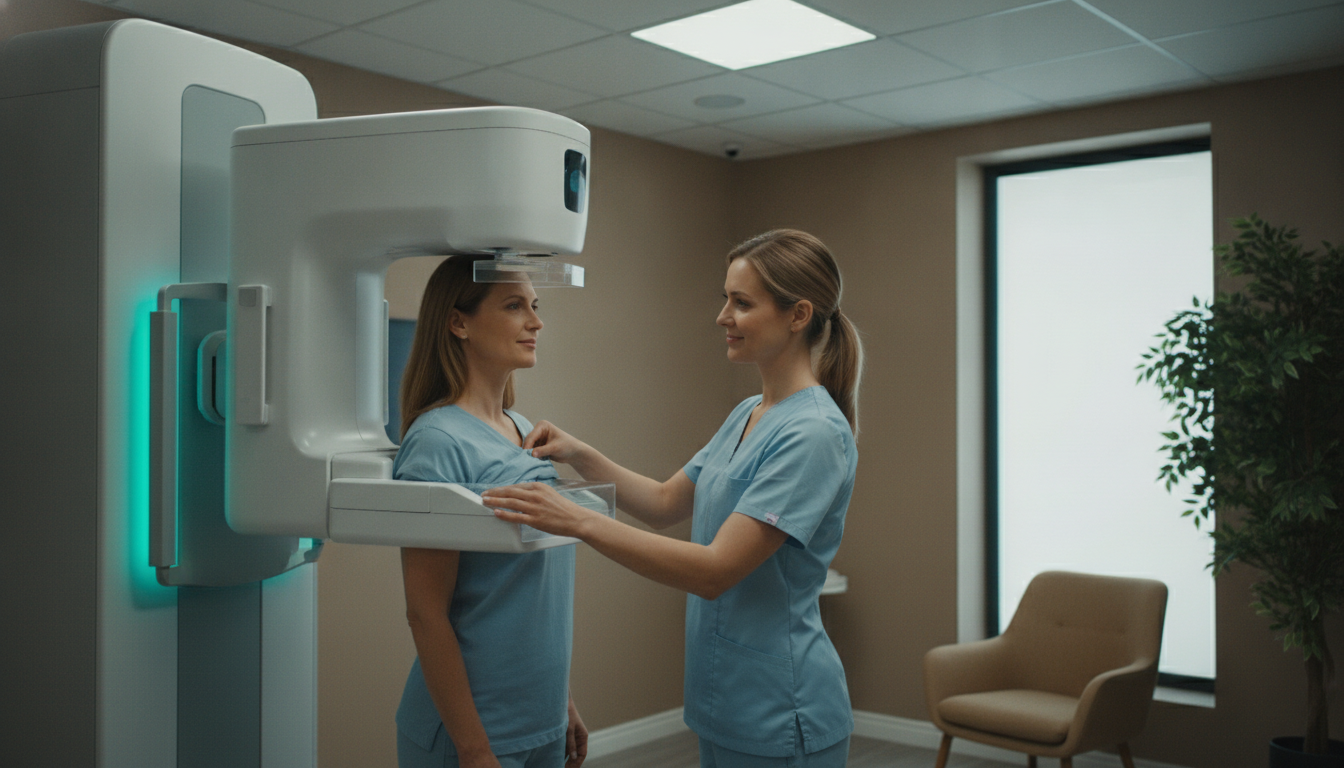
A female technologist will guide you through the process. Your breast will be positioned on a special platform and gently compressed for a few seconds while X-ray images are taken. This compression is necessary to spread the breast tissue evenly, reduce radiation dose, and prevent motion blur. While it might cause some temporary discomfort or pressure, it is usually not painful and lasts only a few moments per image.
The entire procedure typically takes about 15-30 minutes. After the images are taken, you can get dressed and resume your normal activities.
Accuracy, Risks, and Understanding Your Mammogram Screening Results
While mammograms are highly effective, it’s important to have a realistic understanding of their accuracy and potential limitations. Every medical procedure carries some considerations, and mammography is no exception. These mammogram screening facts provide a balanced perspective.
How Accurate Are Mammogram Screenings?
Mammogram screenings are highly effective, detecting about 85-90% of breast cancers. However, they are not 100% foolproof. Factors such as breast density can influence accuracy; dense breast tissue can make it harder to detect abnormalities. For women with dense breasts, additional screening methods like ultrasound or MRI may be recommended.
It’s important to remember that mammography is the most reliable tool currently available for early breast cancer detection.
Potential Risks and Downsides
The primary risks associated with mammograms are minimal. They include exposure to a small amount of radiation, which is considered safe given the benefits of early detection. There’s also the possibility of false positives (when a mammogram suggests cancer that isn’t there, leading to anxiety and further testing) and false negatives (when a mammogram misses a cancer).
The benefits of early detection generally outweigh these minimal risks. Discuss any concerns with your healthcare provider.
Interpreting Your Mammogram Screening Results
Mammogram results are typically categorized using the Breast Imaging Reporting and Data System (BIRADS). A “normal” or “negative” result means no abnormalities were found. An “incomplete” or “suspicious” result may indicate the need for further imaging (like an ultrasound or MRI) or a biopsy to investigate an area of concern.
Your doctor will explain your specific results and any recommended next steps. Don’t hesitate to ask questions to fully understand your mammogram screening facts.
Ready to Discuss Mammogram Screening Facts with Comprehensive OBGYN?
Our dedicated team provides compassionate, expert care for all your women’s health needs, including crucial preventive screenings. Prioritize your well-being with trusted medical guidance.
Accessing Mammogram Screening: Cost, Scheduling, and Resources
Ensuring access to mammogram screenings is a crucial aspect of women’s health. Understanding the practicalities of cost, scheduling, and where to find reputable centers can empower you to prioritize this vital preventive step. These mammogram screening facts aim to simplify the process.
How Much Does a Mammogram Screening Cost?
The cost of a mammogram screening can vary depending on your insurance coverage, the facility, and your location. For insured individuals, many plans cover preventive mammograms with no out-of-pocket cost, thanks to the Affordable Care Act. It’s always wise to check with your insurance provider beforehand.
For those without insurance, costs typically range from $100 to $300 or more. Many programs and organizations offer reduced-cost or free screenings for eligible individuals. Resources like the National Breast Cancer Foundation or local health departments can provide information on financial assistance.
Finding Reputable Mammogram Screening Centers
Your OBGYN is an excellent resource for recommendations on reputable mammogram screening centers. Local hospital systems often have accredited imaging departments. You can also look for facilities accredited by the American College of Radiology (ACR), which ensures high standards of quality and safety.
For those in Coral Springs, FL, Comprehensive OBGYN can guide you to trusted local options and help you navigate the process. This ensures you receive the best care based on the latest mammogram screening facts.
Scheduling Your Mammogram Screening Appointment
Scheduling an appointment is straightforward. You can often do so by contacting your OBGYN’s office for a referral or by reaching out directly to a local imaging center. Many centers offer online scheduling for convenience.
It’s a good idea to schedule your mammogram at a time when your breasts are least tender, typically one week after your menstrual period.

Can Men Also Get Mammogram Screenings, and Under What Circumstances?
While breast cancer is far more common in women, it can also affect men. Therefore, understanding mammogram screening facts for men is also important, though the circumstances for screening differ significantly.
When Men Might Need a Mammogram
Mammograms are not routinely recommended for men without symptoms. However, if a man experiences symptoms such as a breast lump, nipple discharge, skin changes on the breast, or inverted nipple, a diagnostic mammogram may be ordered. These symptoms warrant immediate medical evaluation.
Men with a strong family history of breast cancer, certain genetic mutations (like BRCA1/2), or conditions that cause elevated estrogen levels may also be considered for screening, though this is less common than for women.
The Latest Guidelines for Mammogram Screening Frequency
Staying informed about the most current guidelines for mammogram screening frequency is vital for proactive breast health management. While general recommendations exist, personalized advice from your healthcare provider remains paramount. These mammogram screening facts reflect the consensus from leading medical bodies.
Major organizations like the American Cancer Society (ACS) and the American College of Obstetricians and Gynecologists (ACOG) generally recommend annual mammogram screenings for women of average risk starting at age 40. This consistent recommendation underscores the importance of regular, yearly checks to maximize the benefits of early detection.
However, it is crucial to engage in a discussion with your OBGYN. They will consider your individual health profile, family history, and any specific risk factors to tailor a screening schedule that is best suited for you. This personalized approach ensures that your preventive care aligns with the most up-to-date medical understanding and your unique needs.
How to Schedule a Mammogram Screening Appointment
Taking the step to schedule your mammogram screening is a proactive move towards maintaining your breast health. The process is designed to be as straightforward as possible, ensuring you can access this vital service with ease. These mammogram screening facts outline the simple steps to secure your appointment.
The most common way to schedule a mammogram is by contacting your primary care physician or OBGYN’s office. They can provide a referral to a local imaging center, often one with which they have an established relationship. Alternatively, you can directly contact an imaging center in your area. Many modern facilities offer convenient online scheduling options, allowing you to book your appointment at your leisure.
When scheduling, remember to inquire about any specific preparations, such as avoiding deodorants or lotions on the day of the exam. Choosing a time when your breasts are not tender, typically a week after your menstrual period, can also enhance comfort during the procedure. Don’t hesitate to ask any questions you may have about the process; understanding these mammogram screening facts fully will help you feel more confident and prepared for your screening.
Navigating your breast health journey with confidence begins with reliable information. As we’ve explored, understanding mammography is an empowering step for every woman. From knowing what a mammogram entails to understanding its critical role in early detection, these insights are fundamental to proactive breast health. Regular screenings, guided by expert medical advice, offer the best defense against breast cancer, providing peace of mind and the opportunity for timely intervention.
Prioritize your health by staying informed and scheduling your essential screenings. Your journey toward renewed confidence and optimal well-being awaits. Schedule your breast health consultation with Comprehensive OBGYN today.
What exactly is a mammogram screening?
A mammogram screening is a specialized X-ray of the breast used to detect breast cancer early, often before a lump can be felt. It plays a crucial role in preventive health, allowing medical professionals to identify abnormalities that might indicate cancer. These mammogram screening facts are fundamental to understanding its purpose.
Why is regular mammogram screening important for women’s health?
Regular mammogram screening is incredibly important because early detection significantly improves treatment outcomes and survival rates for breast cancer. It helps identify cancers at their most treatable stage, even before symptoms appear. Understanding these mammogram screening facts can empower women to take proactive steps for their health.
At what age should women typically start getting mammogram screenings?
Most medical organizations recommend that women with an average risk of breast cancer begin annual mammogram screenings at age 40. However, guidelines can vary, and it’s essential to discuss your personal risk factors and family history with your OBGYN. These mammogram screening facts are tailored to general recommendations.
How often should I get a mammogram screening?
For women with average risk, annual mammogram screenings are generally recommended starting at age 40. However, personalized recommendations might differ based on individual risk factors, family history, and physician advice. Your doctor will help determine the best frequency for your specific health profile, considering all mammogram screening facts.
Are there different types of mammogram screenings, and what are their differences?
Yes, there are mainly two types: traditional 2D mammograms and 3D mammograms (tomosynthesis). 3D mammograms provide a clearer, more detailed view by taking multiple images from different angles, which can improve cancer detection and reduce false positives, especially in women with dense breast tissue. Understanding these mammogram screening facts helps you choose the right type.
What should I expect during a mammogram screening appointment?
During a mammogram screening, a technologist will position your breast on a special platform, and gentle compression will be applied for a few seconds while X-ray images are taken. The process is quick, typically lasting about 15-30 minutes, and while it might be slightly uncomfortable, it’s usually not painful. Familiarity with these mammogram screening facts can ease any anxiety.
How accurate are mammogram screenings in detecting breast cancer?
Mammogram screenings are highly effective, detecting about 85-90% of breast cancers. While not 100% foolproof, they are currently the most reliable tool for early detection. The accuracy can be influenced by breast density and other factors. Reviewing mammogram screening facts helps manage expectations regarding accuracy.
What are the potential risks or downsides of mammogram screenings?
The main downsides include exposure to a small amount of radiation (considered safe), false positives (leading to anxiety and further testing), and false negatives (missing a cancer). The benefits of early detection generally outweigh these minimal risks. Being aware of these mammogram screening facts enables informed decisions.
What do the results of a mammogram screening mean?
Mammogram results are usually categorized using the BIRADS system. A “normal” or “negative” result means no abnormalities were found. An “incomplete” or “suspicious” result may require further imaging or a biopsy. Your doctor will explain your specific mammogram screening facts and next steps.
Can men also get mammogram screenings, and under what circumstances?
Yes, men can get mammogram screenings, though it’s less common. It’s typically recommended for men who have symptoms like a breast lump, nipple discharge, or a strong family history of breast cancer. While rare, men can develop breast cancer, making these mammogram screening facts relevant for some.
Where can I find reputable mammogram screening centers near me?
Reputable mammogram screening centers can often be found through your OBGYN’s recommendations, local hospital systems, or national accreditation bodies like the American College of Radiology (ACR). For those in Coral Springs, FL, Comprehensive OBGYN can guide you to trusted local options. Understanding these mammogram screening facts includes knowing where to go.
What preparation is needed before a mammogram screening?
Before your mammogram screening, avoid wearing deodorant, antiperspirant, or lotion on the day of the exam, as these can appear as abnormalities on the X-ray. Inform your technologist about any breast symptoms or prior breast surgeries. Following these mammogram screening facts ensures clear imaging.
How much does a mammogram screening typically cost without insurance?
The cost of a mammogram screening without insurance can vary widely, typically ranging from $100 to $300 or more, depending on the facility and location. It’s best to contact the imaging center directly for pricing information. Many programs offer reduced-cost or free screenings for eligible individuals, a key part of mammogram screening facts for access.
What are the latest guidelines for mammogram screening frequency?
The latest guidelines from major organizations like the American Cancer Society and American College of Obstetricians and Gynecologists generally recommend annual mammogram screenings for women of average risk starting at age 40. However, specific recommendations can be personalized based on risk assessment. Stay informed on these vital mammogram screening facts.
How can I schedule a mammogram screening appointment?
You can schedule a mammogram screening appointment by contacting your OBGYN’s office for a referral or by reaching out directly to a local imaging center. Many centers offer online scheduling. At Comprehensive OBGYN, we can assist you with scheduling and provide guidance on all mammogram screening facts.