
Menopause Exercise Benefits: 7 Proven Workouts for Strength & Vitality
Menopause exercise benefits are profound, offering a powerful pathway to managing symptoms and enhancing overall well-being during this significant life transition. For women experiencing hormonal changes, incorporating regular physical activity is not just recommended; it is an essential strategy for maintaining strength, boosting vitality, and improving quality of life. At Comprehensive OBGYN, we understand the unique health needs of women in Coral Springs, FL, and are dedicated to providing clear, patient-friendly guidance that empowers you to make informed decisions about your health.
This article will explore 7 proven workouts designed to help you harness the full spectrum of these advantages. From building strong bones to easing mood swings, these activities offer practical solutions for a healthier, more energetic you. We believe in creating a calm, bright, and educational space where you feel supported and encouraged to discuss your health journey with your healthcare provider.
Key Takeaways
- Embrace the full spectrum of menopause exercise benefits, from improved bone density to better mood regulation, by integrating consistent physical activity into your routine.
- Discover how strength training is crucial for combating muscle loss and maintaining bone health, significantly reducing the risk of osteoporosis during and after menopause.
- Understand the role of cardiovascular workouts in supporting heart health and potentially reducing the intensity of hot flashes, vital for women in Coral Springs, FL.
- Learn about flexibility and balance exercises that enhance mobility and prevent falls, contributing to greater independence and safety as you age.
- Explore mind-body practices like yoga and Pilates that offer powerful tools for managing stress, anxiety, and sleep disturbances often associated with menopause.
- Identify effective exercise strategies to counter menopause-related weight gain, helping you maintain a healthy body composition and metabolism.
- Receive practical tips from Comprehensive OBGYN on how to safely and effectively start or adapt your exercise journey, ensuring personalized support for your unique needs.
The Essential Menopause Exercise Benefits: Why Movement Matters
The essential menopause exercise benefits extend far beyond physical appearance, deeply impacting your health and vitality during a time of significant hormonal shifts. Regular physical activity can dramatically alleviate common menopausal symptoms, improve long-term health outcomes, and enhance your overall quality of life. Understanding these advantages is the first step toward embracing a more active lifestyle.
As women enter perimenopause and menopause, declining estrogen levels can lead to various challenges, including bone density loss, increased risk of cardiovascular disease, mood fluctuations, and changes in metabolism. Exercise acts as a powerful countermeasure to many of these effects. It supports your body’s natural resilience and helps maintain balance.
Empower Your Menopause Journey with Comprehensive OBGYN
Our dedicated team provides personalized guidance and support for women experiencing menopausal changes, ensuring you feel confident and well through every stage.
Engaging in consistent movement can lead to stronger bones, better heart health, improved sleep, and a more stable mood. These are not just temporary fixes but foundational improvements that contribute to sustained well-being. At Comprehensive OBGYN, we encourage women in Coral Springs, FL, to view exercise as a vital component of their preventive health strategy, offering a proactive approach to managing menopause.
Strength Training: Building Bone and Muscle for Menopause
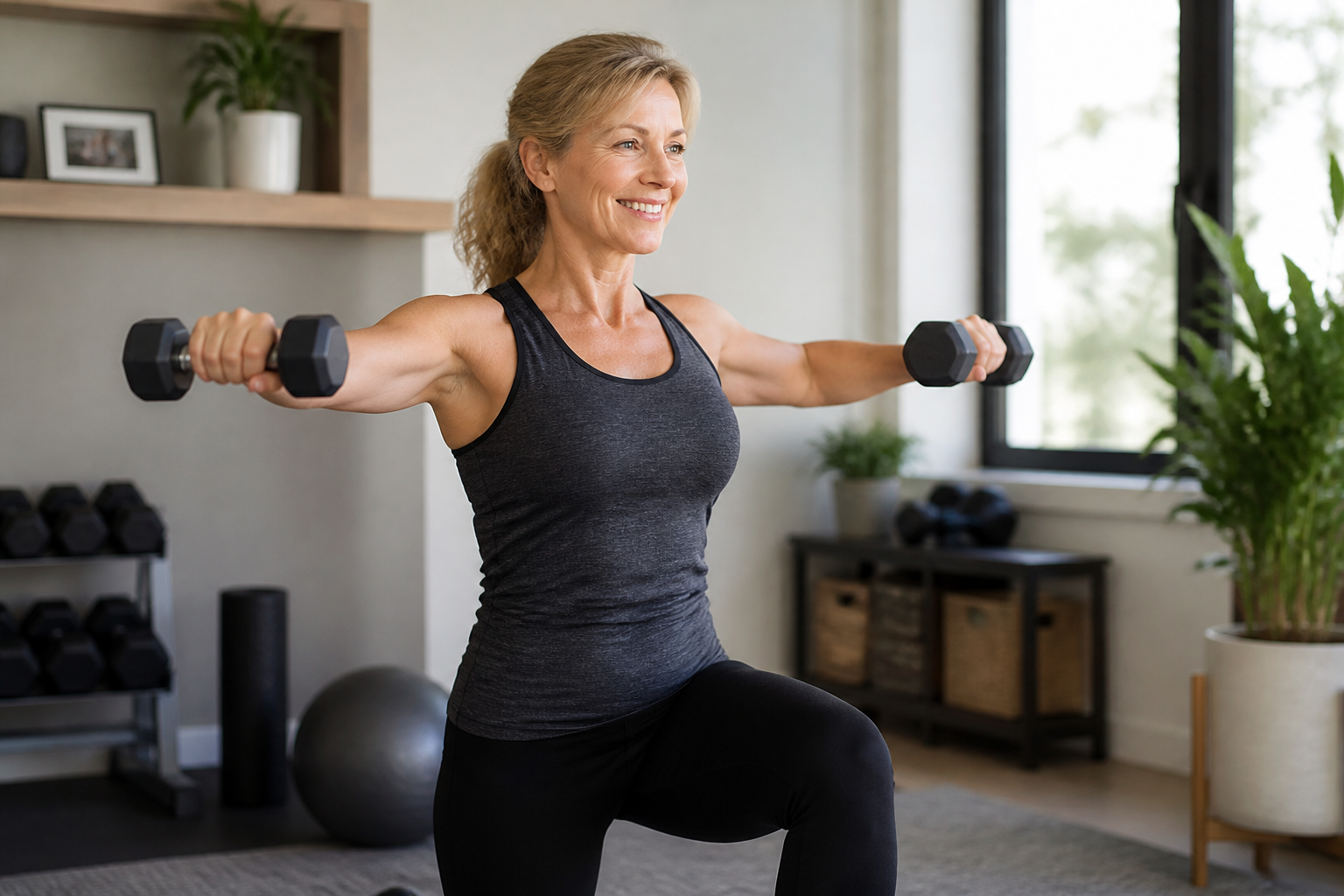
Strength training is perhaps one of the most critical menopause exercise benefits, directly addressing the age-related loss of muscle mass (sarcopenia) and bone density (osteoporosis) that accelerates during menopause. By engaging your muscles against resistance, you stimulate bone growth and preserve muscle tissue, which is vital for metabolism and functional strength. This type of exercise is non-negotiable for long-term health.
Incorporating strength training into your routine offers significant advantages. It helps maintain a healthy metabolism, as muscle tissue burns more calories at rest than fat tissue. This can be particularly helpful in countering the tendency for weight gain during menopause. Furthermore, stronger muscles improve balance and stability, reducing the risk of falls and fractures.
For women at Comprehensive OBGYN, we recommend aiming for two to three strength training sessions per week. These sessions can involve:
- Bodyweight exercises: Squats, lunges, push-ups (modified as needed), planks.
- Resistance bands: Provide versatile resistance for various muscle groups.
- Free weights or machines: Start with lighter weights and gradually increase as your strength improves.
Focus on compound movements that work multiple muscle groups simultaneously, such as squats, deadlifts, and overhead presses. Proper form is essential to prevent injury, so consider consulting with a fitness professional or reviewing reputable resources like the National Institute on Aging’s guide to strength training for guidance.
Cardiovascular Workouts: Managing Hot Flashes and Heart Health
Cardiovascular workouts are a cornerstone for managing menopause, playing a crucial role in maintaining heart health and potentially easing the intensity of hot flashes. As estrogen levels decline, women’s risk of heart disease increases, making aerobic activity more important than ever. Regular cardio strengthens your heart, improves circulation, and helps manage blood pressure and cholesterol levels.
While exercise doesn’t eliminate hot flashes, consistent aerobic activity can improve your body’s thermoregulation, making you more resilient to temperature fluctuations. Many women report a reduction in the frequency and severity of hot flashes when they are consistently active. This is a key advantage for those experiencing disruptive symptoms in the warm Coral Springs climate.
Aim for at least 150 minutes of moderate-intensity aerobic activity per week, or 75 minutes of vigorous-intensity activity. Examples include:
- Brisk walking: A simple, accessible, and effective option.
- Swimming or water aerobics: Low-impact and excellent for joint health.
- Cycling: Indoors or outdoors, a great way to raise your heart rate.
- Dancing: A fun and engaging way to get your cardio in.
Even short bursts of activity, such as three 10-minute walks throughout the day, can contribute to your weekly goal. The key is consistency and finding activities you enjoy to make it a sustainable part of your routine.
Flexibility & Balance Exercises: Preventing Falls and Boosting Mobility
Flexibility and balance exercises are vital for maintaining mobility, preventing falls, and supporting overall physical independence. These often get overlooked. As we age, our balance can naturally decline, and muscles and connective tissues can become less pliable, increasing the risk of injury. Incorporating these practices helps counteract these changes.
Improved flexibility allows for a greater range of motion in your joints, making everyday tasks easier and reducing muscle stiffness and pain. Better balance enhances stability, significantly lowering your risk of falls, which can have serious consequences later in life. These exercises contribute to a sense of confidence and ease in movement.
Consider adding these activities to your weekly routine:
- Yoga: Combines physical postures, breathing techniques, and meditation, improving both flexibility and balance while reducing stress.
- Pilates: Focuses on core strength, flexibility, and body awareness, enhancing posture and stability.
- Tai Chi: A gentle martial art known for its slow, flowing movements that significantly improve balance and coordination.
- Stretching: Incorporate static stretches for major muscle groups after your workouts, holding each stretch for 20-30 seconds.
Even simple balance exercises, like standing on one leg while brushing your teeth, can make a difference. Comprehensive OBGYN encourages women to explore these gentle yet powerful forms of movement to support their long-term physical health.
Mind-Body Practices: Easing Stress and Mood Swings
Mind-body practices offer significant menopause exercise benefits, particularly in easing stress, anxiety, and mood swings that often accompany hormonal fluctuations. The connection between physical movement and mental well-being is powerful, and these practices provide tools to cultivate inner calm and emotional resilience. They help regulate the nervous system and promote a sense of peace.
Menopause can bring emotional challenges, including irritability, anxiety, and even depression. Activities that integrate physical movement with mindful awareness can be incredibly effective in mitigating these symptoms. They encourage you to focus on the present moment, reducing the mental chatter that often fuels stress.
Examples of beneficial mind-body practices include:
- Yoga: As mentioned, yoga’s combination of postures, breathwork, and meditation is excellent for stress reduction and mood enhancement.
- Pilates: The emphasis on controlled movements and breath can be very calming and help improve body awareness, which contributes to mental clarity.
- Mindful Walking: Simply walking with intention, paying attention to your breath, your surroundings, and the sensation of your feet on the ground, can be a powerful meditative practice.
- Deep Breathing Exercises: Even a few minutes of focused diaphragmatic breathing can activate the parasympathetic nervous system, promoting relaxation.
These practices can be easily integrated into your daily life, offering a gentle yet effective way to support your mental and emotional health throughout menopause.

Weight Management Strategies: Exercise to Counter Menopause Weight Gain
Weight management strategies, particularly through exercise, are crucial for countering the weight gain often experienced during menopause, providing another key area of menopause exercise benefits. Hormonal shifts, especially the decline in estrogen, can lead to a redistribution of fat, often accumulating around the abdomen. Regular physical activity is a primary defense against this change.
Exercise helps by burning calories, building muscle mass (which boosts metabolism), and improving insulin sensitivity. A combination of cardiovascular exercise and strength training is the most effective approach for managing weight during this phase. Cardio helps burn calories during the activity, while strength training builds muscle that continues to burn calories even at rest.
Consider these strategies for effective weight management:
- High-Intensity Interval Training (HIIT): Short bursts of intense exercise followed by brief recovery periods can be highly effective for fat burning and improving cardiovascular fitness.
- Consistent Activity: Aim for daily movement, even if it’s just a brisk walk. Consistency is more impactful than sporadic intense workouts.
- Incorporate NEAT (Non-Exercise Activity Thermogenesis): This includes all the calories you burn doing everyday activities like walking, standing, and fidgeting. Take the stairs, park further away, or stand while working.
Remember that exercise works best in conjunction with a balanced diet. Comprehensive OBGYN emphasizes a holistic approach to wellness, where exercise and nutrition go hand-in-hand to support your health goals.
Starting Your Menopause Exercise Journey: Tips from Comprehensive OBGYN
Starting your menopause exercise journey can feel daunting, but with the right approach and support, you can successfully integrate these menopause exercise benefits into your life. At Comprehensive OBGYN, we believe in empowering women in Coral Springs, FL, with practical, patient-friendly advice to ensure their fitness journey is safe, effective, and sustainable. Our team is here to support you through every stage of your health.
Here are some tips to help you begin or adapt your exercise routine:
- Consult Your Healthcare Provider: Before starting any new exercise regimen, especially during menopause, it’s wise to consult with your doctor. Your providers at Comprehensive OBGYN can offer personalized advice based on your health history and current condition, ensuring your plan is safe and tailored to your individual needs.
- Start Slowly and Progress Gradually: If you’re new to exercise or returning after a break, begin with low-impact activities and short durations. Gradually increase the intensity, duration, or frequency as your fitness improves. Listen to your body and avoid overdoing it.
- Find Activities You Enjoy: Sustainability comes from enjoyment. Whether it’s dancing, gardening, hiking, or swimming, choose activities that you genuinely like. This makes it easier to stick with your routine long-term.
- Prioritize Consistency: Regularity is more important than intensity. Aim for consistent movement throughout the week rather than sporadic, intense sessions. Even 10-15 minute bursts of activity can add up and make a difference.
- Stay Hydrated and Fuel Your Body: Drink plenty of water, especially in Florida’s climate, and ensure you’re eating a balanced diet to support your energy levels and recovery.
- Listen to Your Body: Menopause can bring fatigue and changes in energy levels. Some days you might feel more energetic than others. Adjust your workouts accordingly, opting for gentler activities when needed.
- Seek Support: Consider joining a fitness class, finding an exercise buddy, or discussing your goals with your Comprehensive OBGYN provider. Having a support system can boost motivation and accountability.
Remember, every step you take towards greater activity is a step towards a healthier, more energetic you. We are here to provide the guidance and support you need to thrive.
Embracing menopause exercise benefits is a powerful step towards a healthier and more fulfilling future. By integrating these 7 proven workouts into your routine, you can effectively manage symptoms, build strength, and enhance your overall well-being. At Comprehensive OBGYN, we are dedicated to supporting women in Coral Springs, FL, through every stage of their health journey, offering compassionate care and expert guidance. We encourage you to discuss your exercise plans with your healthcare provider to ensure a personalized and effective approach. Your journey to renewed vitality begins now.
Empower Your Menopause Journey with Comprehensive OBGYN
Our dedicated team provides personalized guidance and support for women navigating menopausal changes, ensuring you feel confident and vibrant through every stage.
What are the primary benefits of exercise during menopause?
Regular physical activity during menopause offers numerous benefits, including improved cardiovascular health, stronger bones, and better mood regulation. It also aids in symptom management, helping women navigate this transitional phase with greater ease and vitality.
How does exercise help manage menopause symptoms like hot flashes?
While exercise doesn’t directly prevent hot flashes, it can reduce their frequency and intensity by improving overall health and stress response. Consistent activity supports better thermoregulation and hormonal balance, contributing to a more comfortable experience.
Which types of exercise are most recommended for menopausal women?
A balanced routine incorporating cardiovascular workouts (like brisk walking or swimming), strength training (using weights or bodyweight), and flexibility/balance exercises (such as yoga or Pilates) is ideal. This comprehensive approach addresses various aspects of menopausal health.
Can exercise prevent weight gain during menopause?
Exercise plays a crucial role in preventing or mitigating weight gain often associated with menopause. By building muscle mass and boosting metabolism, physical activity helps to maintain a healthy weight, especially when combined with a balanced diet.
Why is strength training important for women in menopause?
Strength training is essential for menopausal women as it helps combat age-related muscle loss and bone density decline, reducing the risk of osteoporosis and fractures. It also supports metabolism, improves body composition, and enhances functional strength for daily activities.
How often should a woman exercise to see benefits during menopause?
For optimal benefits, aiming for at least 150 minutes of moderate-intensity aerobic activity and two to three strength training sessions per week is recommended. Consistency is key, and even shorter, regular bursts of activity can make a significant difference.
Who should I consult before starting a new exercise regimen for menopause?
Before beginning any new exercise regimen, especially during menopause, it’s wise to consult with a healthcare provider. Professionals at Comprehensive OBGYN can offer personalized advice, ensuring your plan is safe and effective for your individual health needs and goals.