Menopause Heart Risk: 7 Essential Facts Every Woman Needs to Know
Menopause Heart Risk is a critical health concern that every woman should understand. As women transition through menopause, the natural decline in estrogen levels significantly impacts cardiovascular health, leading to an increased susceptibility to heart disease. This shift is often overlooked, with many women unaware of the profound connection between hormonal changes and their heart’s well-being.
This comprehensive guide will illuminate seven crucial facts about menopause and heart health. We will explore how hormonal changes affect your cardiovascular system, identify key warning signs, and outline proactive steps you can take to protect your heart. Understanding these facts is the first step toward safeguarding your health for years to come.
Key Takeaways
- Recognize the direct link between declining estrogen during menopause and increased cardiovascular vulnerability.
- Understand the specific risk factors for heart disease that intensify during and after menopause.
- Learn actionable lifestyle strategies, including diet and exercise, to effectively manage and reduce your heart risk.
- Discover the importance of regular health screenings and personalized medical guidance from experts like Comprehensive OBGYN in Coral Springs, FL.
- Debunk common misconceptions about women’s heart health to ensure you receive appropriate care.
- Empower yourself with knowledge to make informed decisions about hormone replacement therapy and other preventative measures.
- Take proactive steps to maintain a healthy heart, ensuring vitality and well-being throughout your post-menopausal years.
Understanding Your Menopause Heart Risk: The Estrogen Connection
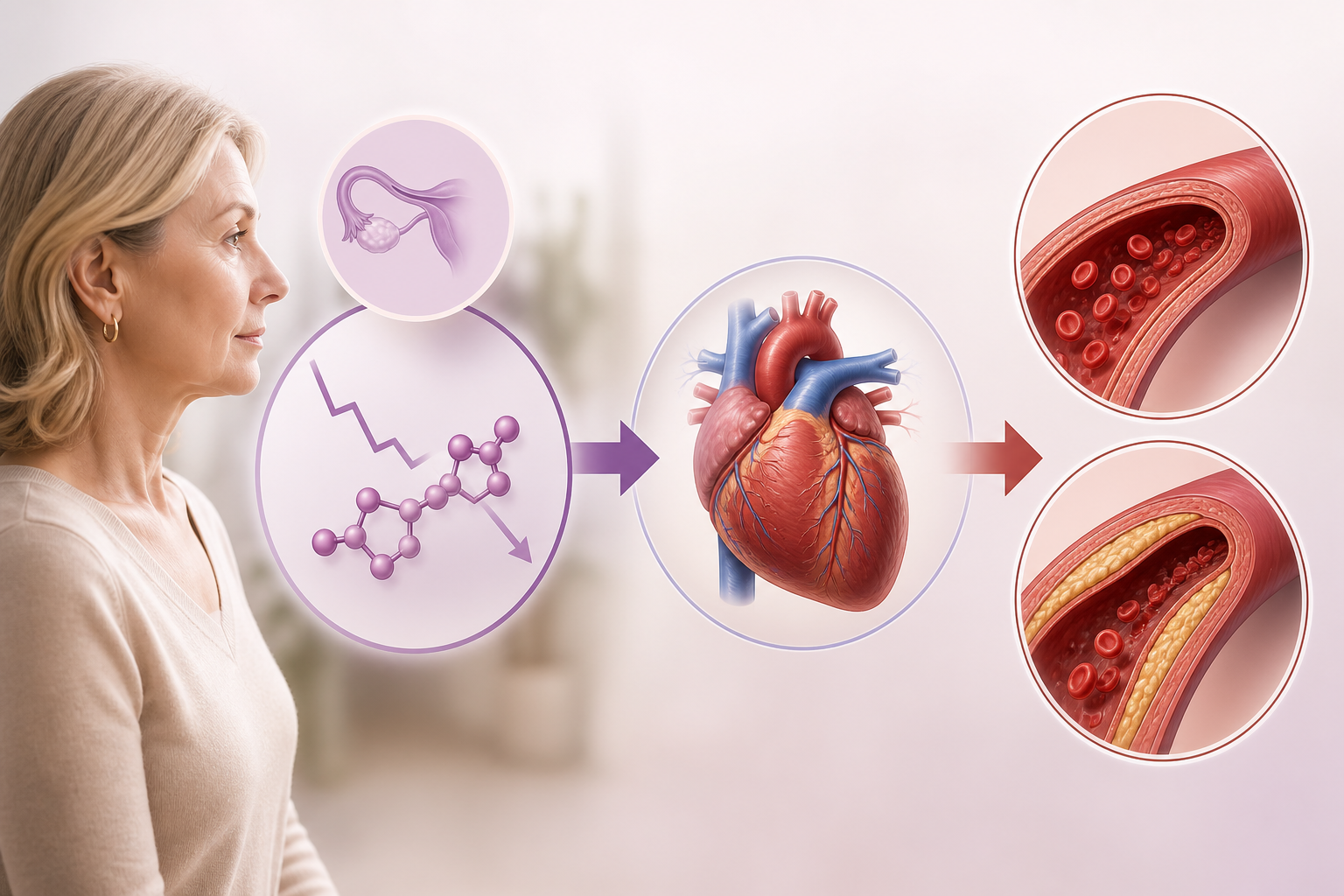
The transition into menopause marks a significant physiological change for women, primarily characterized by a decline in estrogen production. This hormonal shift is directly linked to an increased Menopause Heart Risk. Estrogen plays a crucial protective role in the cardiovascular system, helping to maintain healthy blood vessels, regulate cholesterol levels, and prevent inflammation.
When estrogen levels drop, these protective effects diminish. This can lead to unfavorable changes such as increased LDL (“bad”) cholesterol, decreased HDL (“good”) cholesterol, higher blood pressure, and a greater tendency for blood vessels to stiffen. These factors collectively contribute to a heightened risk of heart disease, making it the leading cause of death for women.
The connection between menopause and increased heart disease risk is profound. It is not that menopause directly causes heart attacks, but rather it accelerates the development of risk factors that can lead to cardiovascular events. Understanding this fundamental link is the first step in proactive heart health management.
How Estrogen Decline Affects Cardiovascular System Health
Estrogen’s influence on the cardiovascular system is multifaceted. It helps keep artery walls flexible, allowing blood to flow smoothly. It also supports the production of nitric oxide, a molecule that relaxes blood vessels. With less estrogen, arteries can become stiffer and more prone to plaque buildup, a condition known as atherosclerosis.
This hormonal change can also affect how the body processes fats and sugars, potentially leading to weight gain, insulin resistance, and an increased risk of type 2 diabetes, all of which are significant contributors to Menopause Heart Risk. Recognizing these systemic changes is vital for women and their healthcare providers.
The decline in estrogen during perimenopause and postmenopause essentially removes a natural shield that women have enjoyed during their reproductive years. This makes it even more important to adopt heart-healthy habits and seek regular medical guidance.

Identifying Warning Signs and Elevated Menopause Heart Risk
As women approach and enter menopause, it is crucial to be aware of potential warning signs of heart problems. These symptoms can sometimes be subtle or even mimic menopausal symptoms, making them easy to overlook. Early detection and intervention are key to managing elevated Menopause Heart Risk effectively.
Warning signs of heart problems during perimenopause and postmenopause can include unusual fatigue, shortness of breath, chest discomfort (which may not always be a sharp pain), dizziness, sweating, and pain in the jaw, neck, or arm. Unlike men, women often experience atypical symptoms, so it is important to listen to your body and report any concerns to your doctor.
Who is at Highest Risk for Heart Disease After Menopause?
While all women experience an increased Menopause Heart Risk, certain factors can elevate this risk further. Women with a family history of heart disease, those who experienced early menopause (before age 40), or those with a history of gestational diabetes, preeclampsia, or polycystic ovary syndrome (PCOS) may face a higher predisposition.
Additionally, lifestyle factors such as smoking, obesity, physical inactivity, and uncontrolled high blood pressure or cholesterol levels significantly amplify the risk. It is important for women to discuss their personal and family medical history with their healthcare provider to assess their individual risk profile.
Essential Lifestyle Strategies to Mitigate Menopause Heart Risk
Adopting a heart-healthy lifestyle is one of the most powerful tools women have to prevent heart disease during and after menopause. These strategies are not only effective in mitigating Menopause Heart Risk but also contribute to overall well-being and improved quality of life.
A healthy lifestyle is highly effective in reversing or significantly reducing menopausal heart risk factors. This includes regular physical activity, a balanced diet, maintaining a healthy weight, managing stress, quitting smoking, and limiting alcohol intake. These habits work synergistically to protect your cardiovascular system.
What Kind of Exercise is Best for Heart Health in Menopausal Women?
A combination of aerobic and strength training exercises is ideal for heart health in menopausal women. Aerobic activities like brisk walking, jogging, swimming, or cycling help strengthen the heart muscle and improve circulation. Aim for at least 150 minutes of moderate-intensity aerobic activity per week.
Strength training, performed two to three times a week, helps maintain muscle mass, which is crucial for metabolism and bone health. Exercises using weights, resistance bands, or even your own body weight are beneficial. Regular physical activity can significantly lower blood pressure, improve cholesterol levels, and help manage weight, all contributing to a reduced Menopause Heart Risk.
Understand Your Menopause Heart Risk with Comprehensive OBGYN
Our expert team provides compassionate care and personalized guidance for women navigating menopause, ensuring you stay informed and proactive about your cardiovascular health.
The Role of Diet and Supplements in Managing Menopause Heart Risk
Nutrition plays a pivotal role in managing Menopause Heart Risk. The food choices you make can directly impact your cholesterol levels, blood pressure, and overall cardiovascular health. Focusing on a balanced, nutrient-dense diet is a cornerstone of preventative care.
What Dietary Changes Can Improve Heart Health Post-Menopause?
Embrace a Mediterranean-style diet, which emphasizes whole, unprocessed foods. This includes plenty of fruits, vegetables, whole grains, lean proteins (fish, poultry, legumes), and healthy fats (olive oil, avocados, nuts, seeds). Limit saturated and trans fats, refined sugars, excessive sodium, and highly processed foods.
Increasing your intake of fiber-rich foods, such as oats, beans, and leafy greens, can help lower cholesterol. Omega-3 fatty acids, found in fatty fish like salmon, are also beneficial for heart health. These dietary adjustments can significantly improve your lipid profile and reduce inflammation, thereby lowering your Menopause Heart Risk.
What are the Top-Rated Supplements for Menopausal Heart Health?
While a healthy diet is paramount, some women consider supplements to support heart health. Omega-3 fatty acid supplements (fish oil), magnesium, and certain B vitamins are often discussed. However, it is crucial to approach supplements with caution.
Always consult with your healthcare provider before starting any new supplement regimen. Not all supplements are effective, and some can interact with medications or have adverse effects. Your doctor can provide personalized recommendations based on your individual health needs and existing conditions, ensuring a safe approach to managing your Menopause Heart Risk.
Navigating HRT and Medical Screenings for Menopause Heart Risk
Making informed decisions about your health during menopause involves understanding medical interventions and the importance of regular screenings. Both hormone replacement therapy (HRT) and routine check-ups are vital components in managing Menopause Heart Risk.
Does Hormone Replacement Therapy (HRT) Protect Against Menopausal Heart Risk?
The relationship between HRT and heart health is complex and highly individualized. For some women, particularly those who start HRT near the onset of menopause (within 10 years or before age 60), it may offer cardiovascular benefits by alleviating symptoms and potentially maintaining arterial health. However, for others, especially those with pre-existing heart conditions or who start HRT many years after menopause, risks can outweigh benefits.
The decision to use HRT should always be made in close consultation with your healthcare provider, considering your age, time since menopause, individual health history, and specific risk factors. A thorough discussion about your personal Menopause Heart Risk profile is essential to determine if HRT is suitable for you.
Are Specific Heart Screenings Recommended for Menopausal Women?
Yes, routine screenings become even more vital post-menopause. These typically include regular blood pressure checks, cholesterol panels (lipid profiles), and glucose screenings to monitor for diabetes. These tests help track key indicators of cardiovascular health.
Depending on individual risk factors, your doctor might also recommend an electrocardiogram (ECG), stress tests, or other specialized cardiovascular assessments. Regular check-ups with your OBGYN, such as those offered at Comprehensive OBGYN in Coral Springs, FL, are crucial for monitoring your overall health and assessing your Menopause Heart Risk.
Debunking Myths About Menopause Heart Risk
Misinformation can be a significant barrier to effective health management. It is important to address common misconceptions surrounding menopause and heart health to ensure women receive accurate information and appropriate care for their Menopause Heart Risk.
What are Common Misconceptions About Menopause and Heart Health?
One prevalent misconception is that heart disease is primarily a men’s issue, or that women are only at risk much later in life. In reality, heart disease is the leading cause of death for women, and menopause significantly elevates this risk, often years before women might expect it. Women’s heart attack symptoms can also differ from men’s, often presenting as fatigue or shortness of breath rather than classic chest pain.
Another myth is that HRT is a universal “fix” for heart health. As discussed, its role is nuanced and individualized, requiring careful consideration of personal health factors. Understanding your personal Menopause Heart Risk is paramount, and relying on evidence-based information from healthcare professionals is always the best approach.
Partnering with Comprehensive OBGYN for Your Menopause Heart Risk
Navigating the complexities of menopause and its impact on heart health requires expert guidance and compassionate care. For women in Coral Springs, Comprehensive OBGYN offers a dedicated approach to managing your Menopause Heart Risk and overall well-being.
Where Can I Find a Cardiologist Specializing in Women’s Heart Health?
While Comprehensive OBGYN focuses on women’s reproductive health and the menopausal transition, they can also guide you to specialists in women’s cardiology if needed. They understand the unique aspects of female cardiovascular health and can provide referrals to trusted cardiologists who specialize in managing conditions related to Menopause Heart Risk.
Their integrated approach ensures that all aspects of your health are considered, providing a holistic view of your well-being. Regular consultations with your OBGYN are a crucial first step in identifying and addressing any potential heart health concerns during this significant life stage.
What is the connection between menopause and increased heart disease risk?
Menopause marks a natural decline in estrogen levels, which plays a protective role in women’s cardiovascular health. This hormonal shift can lead to unfavorable changes in cholesterol levels, blood pressure, and blood vessel function, significantly elevating a woman’s risk of heart disease after menopause.
Why do women’s heart disease risks rise after menopause?
The primary reason is the substantial drop in estrogen. Estrogen helps keep blood vessels flexible, maintains healthy cholesterol levels (reducing LDL “bad” cholesterol and increasing HDL “good” cholesterol), and prevents plaque buildup. With less estrogen, these protective effects diminish, making women more susceptible to conditions like atherosclerosis and high blood pressure, contributing to menopause heart risk.
How can women prevent heart disease during and after menopause?
Prevention is key. Women can mitigate menopause heart risk by adopting a heart-healthy lifestyle. This includes regular physical activity, a balanced diet rich in fruits, vegetables, and whole grains, maintaining a healthy weight, managing stress, quitting smoking, and limiting alcohol intake. Regular check-ups with your OBGYN are also crucial.
Are specific heart screenings recommended for menopausal women?
Yes, routine screenings become even more vital post-menopause. These typically include regular blood pressure checks, cholesterol panels (lipid profiles), and glucose screenings to monitor for diabetes. Depending on individual risk factors, your doctor might also recommend an electrocardiogram (ECG), stress tests, or other specialized cardiovascular assessments to evaluate your menopause heart risk.
What dietary changes can improve heart health post-menopause?
Focus on a Mediterranean-style diet. Emphasize whole, unprocessed foods: plenty of fruits, vegetables, lean proteins (fish, poultry, legumes), healthy fats (olive oil, avocados, nuts, seeds), and whole grains. Limit saturated and trans fats, refined sugars, excessive sodium, and highly processed foods to reduce your menopause heart risk.
Does hormone replacement therapy (HRT) protect against menopausal heart risk?
The relationship between HRT and heart health is complex and depends on factors like age, time since menopause, and individual health history. For some women, especially those starting HRT near the onset of menopause, it may offer cardiovascular benefits. However, for others, particularly those with pre-existing heart conditions or who start HRT many years after menopause, risks can outweigh benefits. Discuss your personal menopause heart risk profile with your healthcare provider to determine if HRT is suitable for you.
What kind of exercise is best for heart health in menopausal women?
A combination of aerobic and strength training is ideal. Aerobic exercises like brisk walking, jogging, swimming, or cycling help strengthen the heart and improve circulation. Strength training helps maintain muscle mass, which is important for metabolism and bone health. Aim for at least 150 minutes of moderate-intensity aerobic activity and two days of strength training per week to combat menopause heart risk.
What are common misconceptions about menopause and heart health?
One common misconception is that heart disease is primarily a men’s issue, or that women are only at risk later in life. In reality, heart disease is the leading cause of death for women, and menopause significantly elevates this risk. Another myth is that HRT is a universal “fix” for heart health; its role is more nuanced and individualized. Understanding your personal menopause heart risk is paramount.
Your Path to a Healthy Heart Post-Menopause
Understanding and actively managing your Menopause Heart Risk is an essential journey for every woman. The decline in estrogen during menopause undeniably increases susceptibility to cardiovascular disease, but this knowledge empowers you to take proactive steps.
By adopting a heart-healthy lifestyle, staying vigilant for warning signs, engaging in regular screenings, and making informed decisions with your healthcare provider, you can significantly mitigate these risks. Remember, your heart health is a lifelong commitment, and the post-menopausal years are a critical time to prioritize it. Partner with trusted professionals like Comprehensive OBGYN in Coral Springs, FL, to ensure you receive the personalized care and guidance needed to maintain a vibrant, healthy heart for years to come.
Learn more from authoritative resources: Consumer Reports and HGTV.