
The reflection you see should be a source of confidence, not a reminder of time’s subtle touch. Yet, the search for radiant skin often leads to a common concern: how to maintain a youthful glow as your body transitions. For those navigating the unique challenges of menopause skin changes, understanding and proactive care present a brilliant answer. This unique life stage brings about significant shifts in skin health, primarily due to hormonal fluctuations, affecting everything from hydration to elasticity. In this comprehensive guide, we will explore the science behind these transformations. We’ll demystify why your skin feels different, detail what you can expect, and explain why a tailored approach is the key to achieving the healthy, refreshed appearance you desire. Consider this your personal invitation to discover a more radiant, revitalized you, built on a foundation of expert knowledge and effective strategies for managing menopause skin changes.
Key Takeaways
- Understand how hormonal shifts during menopause profoundly impact skin health, leading to dryness, thinning, and loss of elasticity.
- Learn 7 brilliant, actionable tips for managing menopause skin changes, from tailored skincare routines to professional treatments.
- Discover the crucial active ingredients and lifestyle adjustments that can significantly improve skin radiance and health during this transition.
- Evaluate the benefits of hormone therapy and professional dermatological support in addressing common concerns related to menopause skin changes.
Understanding Menopause Skin Changes: The Hormonal Shift
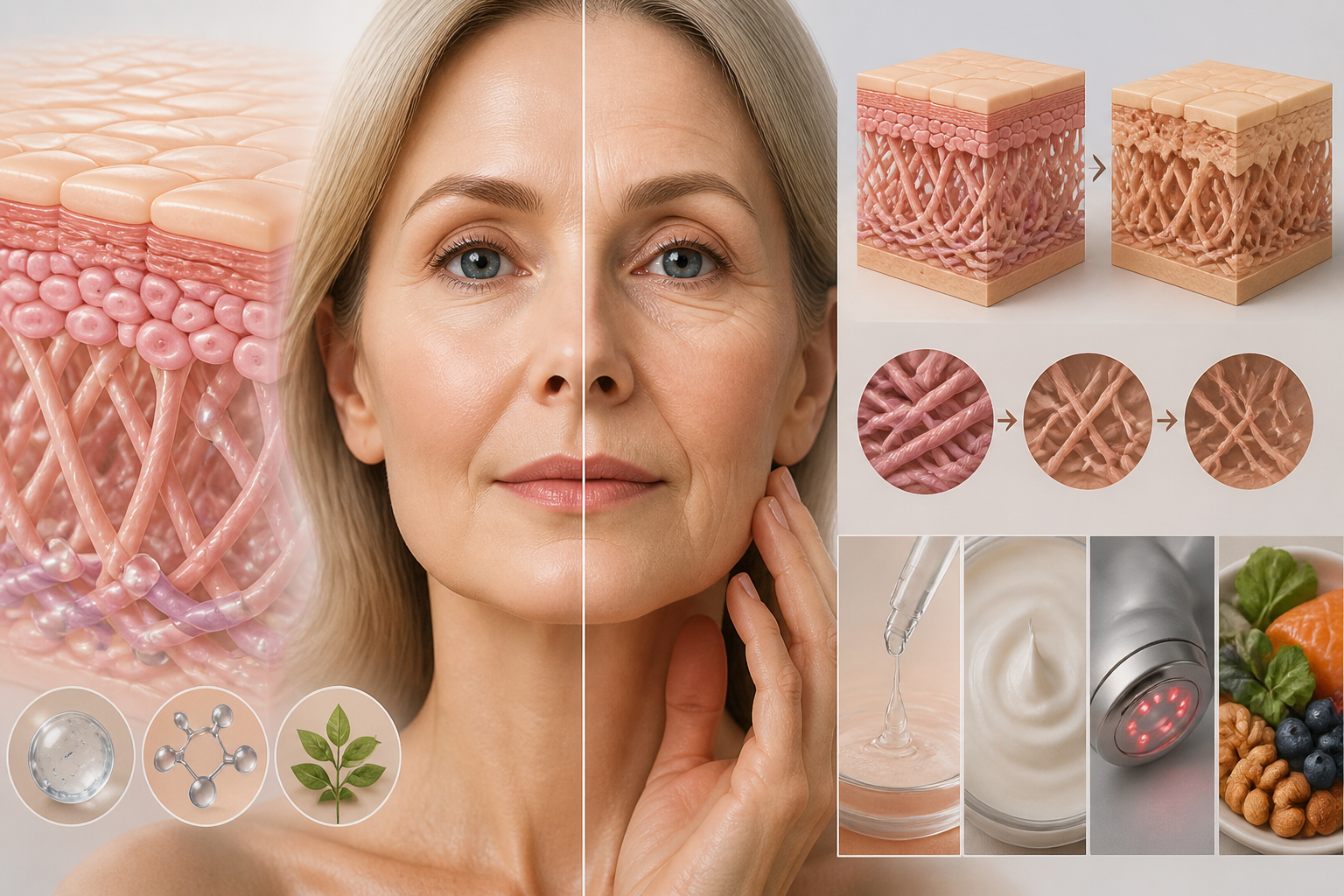
Your journey through menopause is a natural transition, but it often brings unexpected shifts, especially concerning your skin. These menopause skin changes are primarily driven by the significant decline in estrogen, a hormone vital for maintaining skin health, elasticity, and hydration. As estrogen levels drop, the skin’s ability to produce collagen and elastin diminishes, leading to a cascade of noticeable effects.
Collagen, the protein responsible for skin’s firmness and structure, can decrease by as much as 30% in the first five years of menopause. This rapid reduction is a key factor in why many women experience accelerated skin aging and wrinkle formation during this time. Understanding these underlying hormonal shifts is the first step in effectively managing menopause skin changes.
Common Menopause Skin Changes You Might Experience
As estrogen levels decline, several common skin changes become apparent. You might notice increased dryness, thinning, and a loss of elasticity. Fine lines and wrinkles can become more pronounced, and your skin may feel more sensitive than before. These are all typical manifestations of menopause skin changes.
Other women may experience new skin conditions, such as increased sensitivity, redness, or even rosacea flare-ups. Some might also contend with adult acne or breakouts as hormone levels fluctuate. These varied responses highlight the diverse ways menopause skin changes can present themselves.
Why Skin Becomes Drier and Thinner During Menopause Skin Changes
One of the most prevalent menopause skin changes is increased dryness and thinning. Decreased estrogen directly impacts the skin’s ability to produce natural oils (sebum), which are crucial for maintaining a healthy skin barrier and locking in moisture. This reduction in sebum production leaves the skin more vulnerable to dehydration.
Furthermore, the decline in estrogen also reduces the skin’s capacity to produce hyaluronic acid, a powerful humectant that attracts and holds water. This double whammy of reduced oil and water content results in skin that feels rough, tight, and appears dull. The thinning is a direct consequence of collagen and elastin loss, making the skin more fragile and prone to damage.
Accelerated Skin Aging and Wrinkle Formation with Menopause Skin Changes
Yes, menopause significantly accelerates skin aging. The rapid decline in estrogen causes a noticeable reduction in collagen, leading to increased wrinkle formation, sagging, and a more pronounced appearance of existing fine lines. This loss of structural support means your skin loses its youthful plumpness and firmness.
The skin’s repair mechanisms also slow down, making it less efficient at recovering from environmental damage. This combination of factors makes managing these particular menopause skin changes a key focus for maintaining a youthful complexion. Sun protection becomes even more critical during this period.
New Skin Conditions: Sensitivity, Breakouts, and Itchiness from Menopause Skin Changes
Beyond dryness and thinning, menopause can indeed trigger new skin conditions. Hormonal fluctuations can increase skin sensitivity, leading to irritation, redness, or even rosacea flare-ups. Some women may also experience adult acne or breakouts as hormone levels shift, highlighting the diverse ways menopause skin changes can manifest.
Itchy skin, or pruritus, is another common complaint during menopause, often due to extreme dryness caused by reduced estrogen. This compromises the skin’s barrier function, making it more susceptible to irritation and rashes. Addressing these specific menopause skin changes requires a targeted and gentle approach.
7 Brilliant Tips for Radiant Health Amidst Menopause Skin Changes
Navigating menopause skin changes doesn’t mean sacrificing your skin’s radiance. With the right strategies, you can maintain a healthy, glowing complexion. Here are 7 brilliant tips to help you achieve radiant health during this transformative time.
Tip 1: Embrace a Gentle, Hydrating Skincare Routine for Menopause Skin Changes
Effective care for menopause skin changes begins with a gentle, hydrating routine. Harsh cleansers and abrasive exfoliants can strip the skin of its natural oils, exacerbating dryness and sensitivity. Opt for creamy, non-foaming cleansers that respect your skin’s delicate barrier.
A recommended daily skincare routine for menopausal women should prioritize moisture. Start with a mild cleanser, followed by a hydrating toner. Apply a rich moisturizer immediately after cleansing to lock in moisture. Look for ingredients like hyaluronic acid, ceramides, and glycerin to replenish the skin’s hydration levels. Consistency is key for managing dryness and discomfort from menopause skin changes.
Tip 2: Potent Active Ingredients for Menopause Skin Changes
Choosing the right active ingredients is crucial for addressing specific menopause skin changes. These ingredients can help counteract the effects of estrogen decline and support skin regeneration. Incorporating them into your routine can make a significant difference.
For example, hyaluronic acid is excellent for deep hydration, while vitamin C offers antioxidant protection and brightens the complexion. Peptides can support collagen production, and retinoids (if tolerated) promote cellular turnover and reduce the appearance of wrinkles. These are some of the most effective active ingredients for menopausal skin concerns.
Top-rated serums for menopause skin changes typically contain a combination of these powerful ingredients. Look for formulations that are specifically designed for mature or sensitive skin to ensure optimal results without irritation. Always introduce new actives slowly to allow your skin to adjust.
Tip 3: Boost Elasticity and Firmness to Combat Menopause Skin Changes
Improving skin elasticity and firmness is a common goal when dealing with menopause skin changes. The loss of collagen and elastin can lead to sagging and a less defined facial contour. Fortunately, several strategies can help restore a more youthful bounce to your skin.
Incorporate products with peptides, growth factors, and retinoids into your routine. Peptides signal the skin to produce more collagen, while growth factors aid in cellular repair and regeneration. Retinoids, derived from Vitamin A, are renowned for their ability to boost collagen and improve skin texture. Consistent use can lead to noticeable improvements in firmness and elasticity.
Tip 4: The Role of Hormone Therapy in Managing Menopause Skin Changes
Hormone therapy (HT) can significantly improve menopause skin changes by restoring estrogen levels. This helps enhance collagen production, improve skin hydration, and increase elasticity. By addressing the root cause of many skin issues, HT can reduce the appearance of wrinkles and lead to more youthful-looking skin.
However, hormone therapy is a personal decision that should be discussed thoroughly with your healthcare provider. They can assess your individual health profile and help you weigh the benefits against any potential risks. For many, HT offers a comprehensive approach to managing not just skin health but overall well-being during menopause.
Tip 5: Professional Treatments for Menopause Skin Changes
Beyond topical skincare, professional treatments can offer powerful solutions for rejuvenating skin affected by menopause skin changes. These procedures can stimulate collagen production, improve texture, and address specific concerns more intensely than at-home care.
Treatments like chemical peels, microdermabrasion, laser therapy (fractional, CO2), intense pulsed light (IPL), and microneedling are highly recommended. These procedures work by encouraging cell turnover and stimulating the skin’s natural healing processes, leading to firmer, smoother, and more radiant skin. Always consult with a qualified dermatologist or aesthetician to determine the best options for your skin.
Tip 6: Lifestyle and Natural Remedies for Menopause Skin Changes
While advanced treatments are effective, lifestyle adjustments and natural remedies also play a vital role in managing menopause skin changes. A holistic approach can support your skin from the inside out and complement your external skincare efforts.
Staying well-hydrated by drinking plenty of water is fundamental. Consuming omega-3 fatty acids, found in fish oil or flaxseed, can help maintain skin barrier function and reduce dryness. Incorporating phytoestrogen-rich foods like flaxseeds, soy, and legumes may also offer some benefits by mimicking estrogen’s effects. However, always consult a healthcare provider for personalized advice on natural remedies.
Tip 7: Seek Expert Guidance for Your Menopause Skin Changes
Navigating the complexities of menopause skin changes is often best done with professional support. Dermatologists and OBGYN specialists often collaborate to treat menopause-related dermatological issues. An OBGYN, like Comprehensive OBGYN, can address the underlying hormonal factors contributing to these changes, while a dermatologist focuses on topical treatments and procedures.
For specialized skincare clinics for menopause skin changes, consult your OBGYN for recommendations or search for dermatologists and medical spas that offer treatments specifically tailored for mature or menopausal skin concerns in your local area, such as Coral Springs, FL. An expert can provide a personalized plan, ensuring you receive the most effective care for your unique needs.
Ready to Address Your Menopause Skin Changes?
At Comprehensive OBGYN, we provide expert guidance and compassionate care for women navigating the unique health challenges of menopause, including optimizing skin health.
Navigating Your Journey with Menopause Skin Changes
Your path to radiant skin during menopause is both a journey of understanding and proactive care. As we’ve explored, menopause skin changes are a natural part of this life stage, driven primarily by hormonal shifts. However, with the right knowledge and a dedicated approach, you have the power to mitigate these effects and maintain a healthy, vibrant complexion. From gentle hydration to potent active ingredients, and from lifestyle adjustments to professional treatments, a wealth of options is available to support your skin.
Remember, you don’t have to navigate these changes alone. Seeking expert guidance from professionals who understand the nuances of menopausal skin can provide invaluable support and tailored solutions. Embrace these brilliant tips, and empower yourself to achieve radiant health and confidence throughout your menopausal journey. Your skin can continue to reflect your inner vitality, even as you experience menopause skin changes.
Frequently Asked Questions About Menopause Skin Changes
Menopause skin changes is best supported by trusted medical guidance. Learn more from the American College of Obstetricians and Gynecologists.
What are the common skin changes during menopause?
During menopause, women often experience dryness, thinning, loss of elasticity, increased sensitivity, and a propensity for fine lines and wrinkles. These menopause skin changes are primarily due to declining estrogen levels, affecting collagen production and moisture retention.
Why does skin become drier and thinner during menopause?
Decreased estrogen during menopause directly impacts the skin’s ability to produce collagen and elastin, crucial proteins for skin structure and elasticity. It also reduces natural oil production, leading to increased dryness and thinning, making menopause skin changes more noticeable.
How to best care for menopausal skin?
Effective care for menopause skin changes involves a gentle, hydrating routine. Focus on rich moisturizers, hyaluronic acid, ceramides, and mild cleansers. Sun protection is paramount, and incorporating retinoids or peptides can also support skin health.
Does menopause accelerate skin aging and wrinkle formation?
Yes, menopause significantly accelerates skin aging. The rapid decline in estrogen causes a noticeable reduction in collagen, leading to increased wrinkle formation, sagging, and a more pronounced appearance of existing fine lines. Managing these menopause skin changes is key.
What are the top-rated serums for menopausal skin?
Top-rated serums for menopause skin changes typically contain ingredients like hyaluronic acid for hydration, vitamin C for antioxidant protection and brightening, peptides for collagen support, and retinoids (if tolerated) for cellular turnover and anti-aging benefits.
Can menopause trigger new skin conditions like sensitivity or breakouts?
Yes, menopause can trigger new skin conditions. Hormonal fluctuations can increase skin sensitivity, leading to irritation, redness, or even rosacea flare-ups. Some women may also experience adult acne or breakouts as hormone levels shift, highlighting diverse menopause skin changes.
How can I improve skin elasticity and firmness during menopause?
To improve skin elasticity and firmness amidst menopause skin changes, incorporate products with peptides, growth factors, and retinoids. Professional treatments like microneedling, laser therapy, and radiofrequency can also stimulate collagen production and tighten the skin.
Which active ingredients are most effective for menopausal skin concerns?
For menopause skin changes, effective active ingredients include hyaluronic acid for moisture, ceramides for barrier repair, Vitamin C for antioxidants, retinoids for cell renewal, peptides for collagen synthesis, and phytoestrogens to mimic estrogen’s benefits.
Who specializes in treating menopausal dermatological issues?
Dermatologists and OBGYN specialists often collaborate to treat menopause-related dermatological issues. An OBGYN, like Comprehensive OBGYN, can address the underlying hormonal factors contributing to menopause skin changes, while a dermatologist focuses on topical treatments and procedures.
Why do some women experience itchy skin or rashes during menopause?
Itchy skin or pruritus during menopause is often due to extreme dryness caused by reduced estrogen, which compromises the skin’s barrier function. This can make the skin more susceptible to irritation and rashes, emphasizing common menopause skin changes.
What professional treatments are recommended for menopausal skin rejuvenation?
For rejuvenating skin affected by menopause skin changes, professional treatments like chemical peels, microdermabrasion, laser therapy (fractional, CO2), intense pulsed light (IPL), and microneedling are highly recommended to improve texture, tone, and stimulate collagen.
Where can I find specialized skincare clinics for menopausal skin?
To find specialized skincare clinics for menopause skin changes, consult your OBGYN for recommendations or search for dermatologists and medical spas that offer treatments specifically tailored for mature or menopausal skin concerns in your local area, such as Coral Springs, FL.
How does hormone therapy impact skin health during menopause?
Hormone therapy (HT) can significantly improve menopause skin changes by restoring estrogen levels. This helps enhance collagen production, improve skin hydration, increase elasticity, and reduce the appearance of wrinkles, leading to more youthful-looking skin.
Are there natural remedies to alleviate menopausal skin dryness?
Natural remedies for menopause skin changes and dryness include consuming omega-3 fatty acids, staying well-hydrated, using topical oils like argan or jojoba, and incorporating phytoestrogen-rich foods. However, always consult a healthcare provider for personalized advice.
Ready to Address Your Menopause Skin Changes?
At Comprehensive OBGYN, we provide expert guidance and compassionate care for women navigating the unique health challenges of menopause, including optimizing skin health.
What are the common skin changes during menopause?
During menopause, women often experience dryness, thinning, loss of elasticity, increased sensitivity, and a propensity for fine lines and wrinkles. These menopause skin changes are primarily due to declining estrogen levels, affecting collagen production and moisture retention.
Why does skin become drier and thinner during menopause?
Decreased estrogen during menopause directly impacts the skin’s ability to produce collagen and elastin, crucial proteins for skin structure and elasticity. It also reduces natural oil production, leading to increased dryness and thinning, making menopause skin changes more noticeable.
How to best care for menopausal skin?
Effective care for menopause skin changes involves a gentle, hydrating routine. Focus on rich moisturizers, hyaluronic acid, ceramides, and mild cleansers. Sun protection is paramount, and incorporating retinoids or peptides can also support skin health.
Does menopause accelerate skin aging and wrinkle formation?
Yes, menopause significantly accelerates skin aging. The rapid decline in estrogen causes a noticeable reduction in collagen, leading to increased wrinkle formation, sagging, and a more pronounced appearance of existing fine lines. Managing these menopause skin changes is key.
What are the top-rated serums for menopausal skin?
Top-rated serums for menopause skin changes typically contain ingredients like hyaluronic acid for hydration, vitamin C for antioxidant protection and brightening, peptides for collagen support, and retinoids (if tolerated) for cellular turnover and anti-aging benefits.
Can menopause trigger new skin conditions like sensitivity or breakouts?
Yes, menopause can trigger new skin conditions. Hormonal fluctuations can increase skin sensitivity, leading to irritation, redness, or even rosacea flare-ups. Some women may also experience adult acne or breakouts as hormone levels shift, highlighting diverse menopause skin changes.
How can I improve skin elasticity and firmness during menopause?
To improve skin elasticity and firmness amidst menopause skin changes, incorporate products with peptides, growth factors, and retinoids. Professional treatments like microneedling, laser therapy, and radiofrequency can also stimulate collagen production and tighten the skin.
Which active ingredients are most effective for menopausal skin concerns?
For menopause skin changes, effective active ingredients include hyaluronic acid for moisture, ceramides for barrier repair, Vitamin C for antioxidants, retinoids for cell renewal, peptides for collagen synthesis, and phytoestrogens to mimic estrogen’s benefits.
Who specializes in treating menopausal dermatological issues?
Dermatologists and OBGYN specialists often collaborate to treat menopause-related dermatological issues. An OBGYN, like Comprehensive OBGYN, can address the underlying hormonal factors contributing to menopause skin changes, while a dermatologist focuses on topical treatments and procedures.
Why do some women experience itchy skin or rashes during menopause?
Itchy skin or pruritus during menopause is often due to extreme dryness caused by reduced estrogen, which compromises the skin’s barrier function. This can make the skin more susceptible to irritation and rashes, emphasizing common menopause skin changes.
What professional treatments are recommended for menopausal skin rejuvenation?
For rejuvenating skin affected by menopause skin changes, professional treatments like chemical peels, microdermabrasion, laser therapy (fractional, CO2), intense pulsed light (IPL), and microneedling are highly recommended to improve texture, tone, and stimulate collagen.
Where can I find specialized skincare clinics for menopausal skin?
To find specialized skincare clinics for menopause skin changes, consult your OBGYN for recommendations or search for dermatologists and medical spas that offer treatments specifically tailored for mature or menopausal skin concerns in your local area, such as Coral Springs, FL.
How does hormone therapy impact skin health during menopause?
Hormone therapy (HT) can significantly improve menopause skin changes by restoring estrogen levels. This helps enhance collagen production, improve skin hydration, increase elasticity, and reduce the appearance of wrinkles, leading to more youthful-looking skin.
Are there natural remedies to alleviate menopausal skin dryness?
Natural remedies for menopause skin changes and dryness include consuming omega-3 fatty acids, staying well-hydrated, using topical oils like argan or jojoba, and incorporating phytoestrogen-rich foods. However, always consult a healthcare provider for personalized advice.
Learn more from authoritative resources: Consumer Reports and HGTV.