
Pelvic Floor Dysfunction: 7 Essential Signs Every Woman Should Know
Pelvic Floor Dysfunction is a common, yet often misunderstood, condition that affects millions of women worldwide. It arises when the muscles, ligaments, and connective tissues of the pelvic floor become weakened, overactive, or uncoordinated, leading to a range of uncomfortable and sometimes debilitating symptoms. Understanding this complex condition is the first step towards effective management and improved quality of life.
Many women experience symptoms without realizing they are connected to their pelvic floor. From persistent discomfort to issues with bladder and bowel control, the signs can be subtle or pronounced. This comprehensive guide will illuminate the crucial indicators of Pelvic Floor Dysfunction, empowering you to recognize these signs and seek the expert care you deserve. Early diagnosis is key to successful treatment and regaining control over your pelvic health.
Key Takeaways
- Understand what Pelvic Floor Dysfunction is and its common types.
- Learn to identify 7 crucial signs of Pelvic Floor Dysfunction that every woman should know.
- Discover the various causes and effective treatment options for Pelvic Floor Dysfunction.
- Find out how early diagnosis and specialized care can significantly improve outcomes for Pelvic Floor Dysfunction.
What is Pelvic Floor Dysfunction? Understanding the Basics
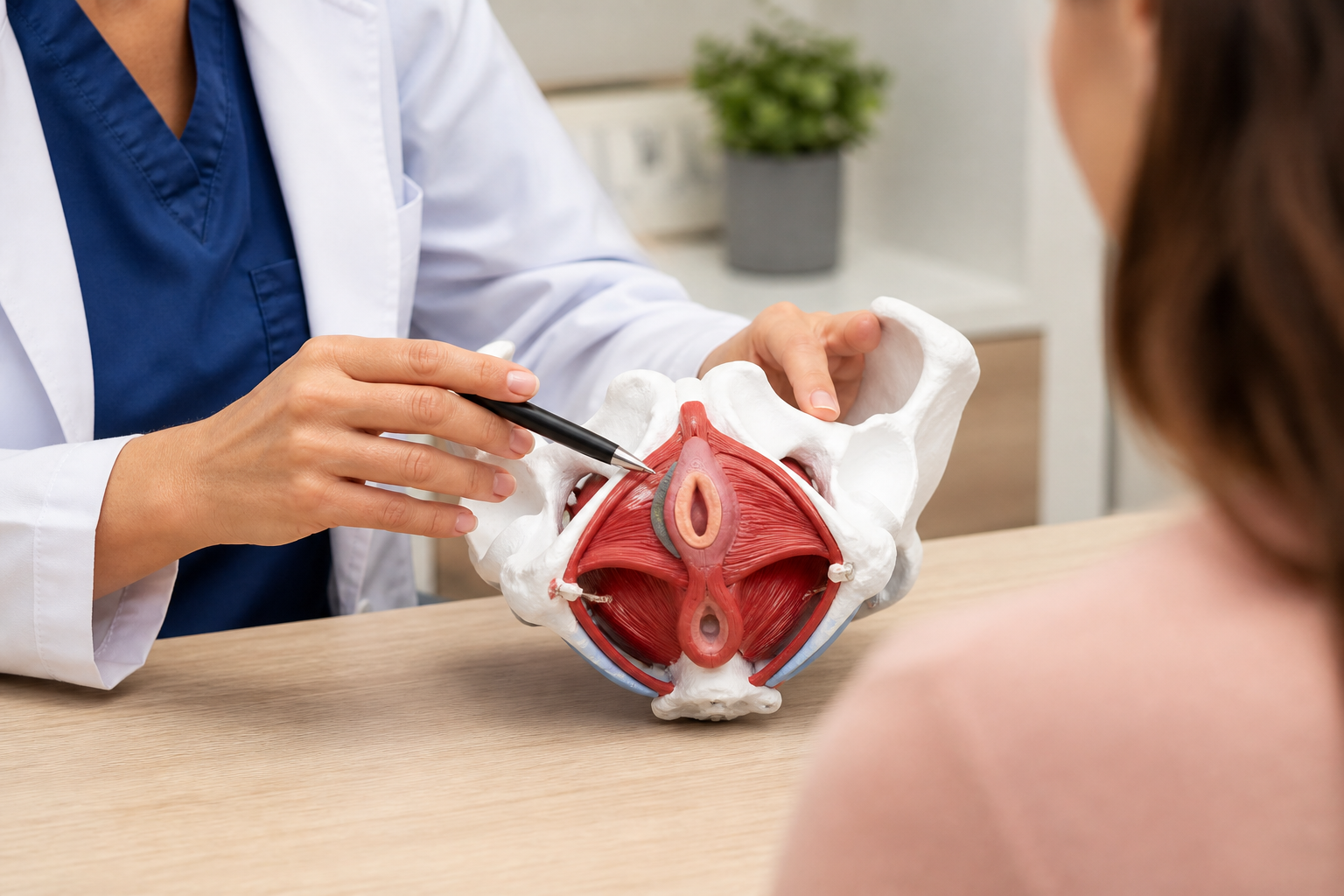
The pelvic floor is a group of muscles and connective tissues that form a sling across the bottom of your pelvis. These muscles support your bladder, uterus, and rectum, playing a vital role in bladder and bowel control, sexual function, and core stability. When these muscles don’t work correctly, it leads to Pelvic Floor Dysfunction.
This condition can manifest in two primary ways: hypertonic (overactive or tight) pelvic floor muscles, or hypotonic (weak or underactive) pelvic floor muscles. Both types can cause significant discomfort and functional issues. Understanding the specific nature of your Pelvic Floor Dysfunction is essential for tailoring effective treatment.
Types of Pelvic Floor Dysfunction
Hypertonic Pelvic Floor Dysfunction occurs when the muscles are too tense and unable to relax. This can lead to chronic pelvic pain, pain during intercourse, and difficulty with bowel movements or urination. Conversely, hypotonic pelvic floor dysfunction involves weak muscles that struggle to provide adequate support, often resulting in incontinence or pelvic organ prolapse.
The symptoms associated with each type can vary widely, making accurate diagnosis by a medical professional crucial. Early identification helps in implementing targeted interventions that can significantly alleviate discomfort and improve daily function. Recognizing these distinctions is a key step in managing your pelvic health effectively.

7 Crucial Signs of Pelvic Floor Dysfunction Every Woman Should Know
Recognizing the signs of Pelvic Floor Dysfunction is the first step toward seeking help. Many women dismiss these symptoms as normal parts of aging or childbirth, but they are often indicators of an underlying issue that can be effectively treated. Here are seven crucial signs to be aware of:
1. Urinary Symptoms of Pelvic Floor Dysfunction
Experiencing urinary incontinence, such as leaking urine when you cough, sneeze, laugh, or exercise, is a common sign. This is often stress incontinence. Urgency, frequency, or difficulty emptying your bladder can also indicate Pelvic Floor Dysfunction. Some women also report a weak or interrupted urine stream.
These urinary issues can range from mild annoyance to significant embarrassment, impacting social activities and quality of life. It is important to remember that these symptoms are not an inevitable part of life and can be addressed with proper care.
2. Bowel Symptoms of Pelvic Floor Dysfunction
Difficulty with bowel movements, including chronic constipation or straining, can be a symptom. Fecal incontinence, which is the involuntary leakage of stool or gas, also points to issues with pelvic floor control. These bowel irregularities can significantly impact daily comfort and confidence.
Chronic straining during bowel movements can further weaken the pelvic floor over time, creating a cycle of dysfunction. Addressing these symptoms early can prevent worsening conditions and improve digestive health.
3. Pelvic Pain or Pressure
Persistent pain in the pelvic region, lower back, hips, or even the tailbone could be a sign. This pain might worsen with certain activities or positions. A feeling of heaviness, bulging, or pressure in the vagina or rectum is another common indicator, often associated with pelvic organ prolapse.
This discomfort can be constant or intermittent, significantly affecting daily activities and sleep. It is essential not to dismiss chronic pelvic pain, as it often signals an underlying issue that requires medical attention.
4. Pain During Intercourse
Dyspareunia, or pain during sexual intercourse, is a significant symptom that many women experience with pelvic floor issues. This can range from mild discomfort to severe, sharp pain, and it often stems from overly tight pelvic floor muscles that struggle to relax.
Painful intercourse can strain relationships and reduce intimacy. Open communication with a healthcare provider is vital to identify the cause and find effective solutions for this sensitive issue.
5. Feeling of a Bulge or Heaviness
A sensation that something is ‘falling out’ of the vagina, or a visible bulge, can indicate pelvic organ prolapse. This occurs when pelvic organs like the bladder, uterus, or rectum descend from their normal position due to weakened pelvic floor support. It’s a clear sign of underlying pelvic floor weakness.
This feeling can be unsettling and impact physical activity. Early assessment can help manage prolapse and prevent it from progressing to a more severe stage, often avoiding the need for surgical intervention.
6. Muscle Spasms or Tremors
Involuntary muscle spasms, twitching, or tremors in the pelvic floor area can be a less common but important sign. These sensations often point to hypertonic muscles that are constantly contracted, leading to fatigue and discomfort. Such symptoms warrant a professional evaluation.
These spasms can contribute to chronic pain and make activities like sitting or walking uncomfortable. Identifying and addressing the root cause of these muscle irregularities is crucial for relief.
7. Difficulty with Tampon Insertion or Removal
For some women, an inability to comfortably insert or remove tampons, or experiencing pain during these actions, can be an indicator of tight or uncoordinated pelvic floor muscles. This seemingly minor issue can be a subtle but telling sign of pelvic floor problems that should not be ignored.
This difficulty can be a source of frustration and discomfort, highlighting an underlying muscular imbalance. Consulting a specialist can help uncover the reasons behind this issue and provide appropriate guidance.
Causes and Risk Factors for Pelvic Floor Dysfunction
Understanding why Pelvic Floor Dysfunction develops can help in prevention and treatment. This condition can arise from a variety of factors, affecting both men and women, though some causes are more prevalent in women due to anatomical and physiological differences.
Common Causes of Pelvic Floor Dysfunction
Childbirth is a leading cause in women, as the process can stretch and weaken pelvic floor muscles and nerves. Pregnancy itself, even without vaginal delivery, can contribute due to hormonal changes and increased pressure on the pelvic floor. Other factors include chronic straining from constipation, heavy lifting, chronic coughing, obesity, and pelvic surgery like hysterectomy.
Trauma to the pelvic region, such as from an accident or injury, can also damage the pelvic floor muscles and nerves. Certain neurological conditions, like Parkinson’s disease or multiple sclerosis, can impair nerve signals to the pelvic floor, leading to dysfunction. Recognizing these potential causes is important for a comprehensive diagnosis.
Lifestyle Factors and Pelvic Health
Certain lifestyle habits can exacerbate or contribute to the development of pelvic floor issues. These include prolonged periods of sitting, lack of physical activity, and diets low in fiber leading to chronic constipation. Chronic stress can also impact muscle tension throughout the body, including the pelvic floor, potentially leading to hypertonic states.
Maintaining a healthy weight and engaging in regular, appropriate exercise can support overall pelvic health. Avoiding excessive straining during bowel movements and practicing good posture are also beneficial preventive measures.
Diagnosing Pelvic Floor Dysfunction: What to Expect
If you suspect you have Pelvic Floor Dysfunction, seeking a professional diagnosis is crucial. A medical professional, typically a gynecologist, urologist, or urogynecologist, will conduct a thorough evaluation. This process usually begins with a detailed discussion of your medical history and symptoms.
The diagnosis often involves a physical examination, which may include an internal pelvic exam. During this exam, the doctor will assess the strength, tone, and coordination of your pelvic floor muscles. They will check for tenderness, muscle knots, or signs of prolapse. This hands-on assessment is vital for understanding the specific nature of your Pelvic Floor Dysfunction.
Further diagnostic tools might be utilized, such as urodynamic testing to evaluate bladder function, or imaging techniques like ultrasound or MRI to assess organ position and muscle integrity. These tests help to confirm the diagnosis and rule out other conditions. Early and accurate diagnosis of Pelvic Floor Dysfunction is important for effective treatment planning.
Effective Treatment Options for Pelvic Floor Dysfunction
The good news is that Pelvic Floor Dysfunction is highly treatable, and a range of effective options are available. Treatment plans are always individualized, tailored to the specific type and severity of your condition, as well as your personal goals. The primary goal is to restore normal function and alleviate symptoms.
Pelvic Floor Physical Therapy for Pelvic Floor Dysfunction
Pelvic floor physical therapy is often the first-line and most effective treatment. A specialized physical therapist will teach you exercises to strengthen weak muscles (like Kegels) or relax overactive ones (through techniques like diaphragmatic breathing and stretching). Biofeedback, a technique that helps you visualize and control your muscle contractions, is also commonly used. This therapy can significantly improve symptoms of Pelvic Floor Dysfunction.
For those wondering about recovery time, it varies greatly depending on the individual and the severity of the condition. Some women experience significant improvement within a few weeks, while others may require several months of consistent therapy. Adherence to your personalized exercise program is key to long-term success. The typical costs associated with pelvic floor therapy can vary by location and insurance coverage, but many clinics offer payment plans or work with insurance providers.
More information on pelvic health physical therapy can be found at the American Physical Therapy Association.
Other Treatment Approaches for Pelvic Floor Dysfunction
Beyond physical therapy, other treatments may include lifestyle modifications, such as dietary changes to manage constipation or bladder irritants, and stress reduction techniques. Medications can be prescribed to manage specific symptoms like pain or bladder urgency. In cases of significant pelvic organ prolapse or severe incontinence that doesn’t respond to conservative measures, surgical intervention might be considered. However, surgery is typically a last resort for pelvic floor issues.
It is important to discuss all available options with your healthcare provider to determine the most appropriate course of action for your unique situation. A multidisciplinary approach often yields the best results, combining various therapies to address all aspects of the dysfunction.
Finding Expert Care for Pelvic Floor Dysfunction
When dealing with Pelvic Floor Dysfunction, it is crucial to seek care from qualified professionals. Several specialists are equipped to diagnose and treat this condition. Gynecologists, urologists, and urogynecologists are medical doctors who specialize in the female reproductive and urinary systems, and they often manage pelvic floor issues.
Pelvic floor physical therapists are also integral to treatment. These licensed physical therapists have specialized training in evaluating and treating conditions affecting the pelvic floor muscles. They can provide hands-on therapy, exercise instruction, and education. To find a pelvic floor physical therapist near you, resources like the American Physical Therapy Association (APTA) or the International Pelvic Pain Society can offer directories. Comprehensive OBGYN in Coral Springs also offers specialized care for women navigating pelvic floor health challenges.
You can learn more about women’s health services by visiting our blog.
Why Early Diagnosis is Important for Pelvic Floor Dysfunction
Early diagnosis of Pelvic Floor Dysfunction is paramount. Addressing symptoms promptly can prevent the condition from worsening and often leads to more straightforward and less invasive treatment options. The longer symptoms are ignored, the more complex the issue can become, potentially requiring more intensive interventions. Early intervention also significantly improves your quality of life, reducing discomfort and emotional distress.
For more general information on pelvic floor disorders, you can refer to authoritative sources like the National Institute of Diabetes and Digestive and Kidney Diseases (NIDDK).
Experiencing Pelvic Floor Dysfunction? Get Expert Care in Coral Springs
Comprehensive OBGYN offers compassionate, specialized care for women navigating pelvic floor health challenges, empowering you with effective solutions and support.
Empowering Yourself: Living with Pelvic Floor Dysfunction
Managing pelvic floor health extends beyond clinical treatments; it also involves empowering yourself with knowledge and proactive strategies. While there are no ‘natural remedies’ that replace professional medical care, certain home treatments and lifestyle adjustments can complement your treatment plan and help manage symptoms.
These can include maintaining a healthy weight, staying hydrated, eating a fiber-rich diet to prevent constipation, and practicing good posture. Some women find relief from symptoms through gentle exercises like yoga or Pilates, focusing on core strength and flexibility, but always under the guidance of a professional. Products recommended for managing symptoms might include supportive garments, specialized cushions, or over-the-counter stool softeners, depending on your specific needs.
Many clinics also offer the convenience of scheduling an initial consultation online, making it easier to take the first step towards addressing your concerns. This accessibility ensures that help is readily available for those seeking to improve their pelvic health.
Frequently Asked Questions About Pelvic Floor Dysfunction
What is pelvic floor dysfunction and what are its main types?
Pelvic floor dysfunction occurs when the muscles of the pelvic floor, which support the bladder, uterus (in women), bowel, and rectum, are either too tight (hypertonic) or too weak (hypotonic). This can lead to a range of issues affecting bladder, bowel, and sexual function. Common types include hypertonic pelvic floor (tight muscles causing pain or difficulty with elimination) and hypotonic pelvic floor (weak muscles leading to incontinence or prolapse).
What are the common symptoms of pelvic floor dysfunction in women?
In women, common symptoms of pelvic floor dysfunction often include urinary incontinence (leakage), fecal incontinence, pelvic pain, pain during intercourse, a feeling of pressure or bulging in the vagina (indicative of prolapse), and difficulty emptying the bladder or bowels. These symptoms can significantly impact daily life and overall well-being.
What causes pelvic floor dysfunction in both men and women?
Pelvic floor dysfunction can stem from various factors. In women, childbirth, pregnancy, hysterectomy, menopause, and hormonal changes are frequent contributors. For both sexes, chronic straining due to constipation, heavy lifting, obesity, chronic coughing, pelvic surgery, trauma, and certain neurological conditions can also contribute to the development of pelvic floor issues.
How is pelvic floor dysfunction diagnosed by a medical professional?
Diagnosis typically involves a thorough medical history review and a physical examination, often including an internal pelvic exam. Your doctor will assess muscle strength, tone, and coordination. They may also use diagnostic tools like urodynamic testing to evaluate bladder function or imaging techniques to assess organ position and muscle integrity, helping to pinpoint the specific nature of the pelvic floor dysfunction.
What are the effective treatment options for pelvic floor dysfunction?
Effective treatment for pelvic floor dysfunction is often multifaceted and tailored to the individual. It commonly includes pelvic floor physical therapy, which involves exercises to strengthen or relax muscles, biofeedback, and manual therapy. Other options may include medication for symptom management, lifestyle modifications, pessaries for prolapse, or in some cases, surgical intervention if conservative methods are insufficient.
Who specializes in treating pelvic floor dysfunction?
Several medical professionals specialize in treating pelvic floor dysfunction. These include gynecologists, urologists, urogynecologists, and physical therapists specializing in pelvic health. A multi-disciplinary approach, often involving a pelvic floor physical therapist working in conjunction with your OBGYN or urologist, provides the most comprehensive care.
What exercises can help strengthen or relax my pelvic floor?
Exercises for pelvic floor dysfunction depend on whether your muscles are weak or overactive. For strengthening, Kegel exercises (contracting and relaxing the pelvic floor muscles) are commonly recommended. For relaxation, techniques like diaphragmatic breathing, stretching, and specific yoga poses can be beneficial. It’s crucial to consult a pelvic floor physical therapist for personalized guidance to ensure proper technique and avoid exacerbating symptoms.
Why is early diagnosis important for pelvic floor dysfunction?
Early diagnosis of pelvic floor dysfunction is crucial because it can prevent symptoms from worsening and significantly improve treatment outcomes. Addressing the issue early often means less invasive and more effective interventions, such as physical therapy, reducing the need for medications or surgery. It also helps improve quality of life sooner, preventing prolonged discomfort and emotional distress.
Can I schedule an initial consultation for pelvic floor dysfunction online?
Yes, many healthcare providers, including Comprehensive OBGYN, offer the convenience of scheduling an initial consultation for pelvic floor dysfunction online. This allows you to easily book an appointment to discuss your symptoms and explore potential diagnostic and treatment pathways from the comfort of your home. Visit our website or contact us directly to learn more about scheduling options.
Conclusion: Taking Control of Your Pelvic Floor Health
Pelvic Floor Dysfunction is a common and often distressing condition, but it is not one you have to live with. By understanding the crucial signs and seeking timely, expert care, you can significantly improve your symptoms and regain control over your pelvic health. Remember, your body’s signals are important, and acknowledging them is the first step towards a healthier, more comfortable life.
Don’t hesitate to consult with a healthcare professional to discuss your concerns and explore the best treatment path for you.