Pelvic Pain Causes: 8 Ultimate Reasons for Your Discomfort
Pelvic Pain Causes are incredibly varied, ranging from gynecological conditions to digestive issues, and can significantly impact a person’s quality of life. Understanding the root of your discomfort is the first crucial step toward finding effective relief and restoring your well-being. This article will delve into the eight most common and significant reasons behind pelvic pain, offering clarity and guidance.
Whether you experience chronic, sudden, or intermittent pain, pinpointing the specific pelvic pain causes requires a comprehensive approach. We will explore how different bodily systems can contribute to this complex symptom, from the reproductive organs to the digestive and urinary tracts, as well as musculoskeletal and neurological factors. Our goal is to empower you with knowledge, helping you navigate your symptoms and seek appropriate medical care.
Key Takeaways on Pelvic Pain Causes
- Recognize the diverse origins of pelvic pain, including gynecological, digestive, urinary, and musculoskeletal factors.
- Understand why women often experience unique pelvic pain causes due to their reproductive anatomy and hormonal cycles.
- Learn to differentiate between chronic and acute pelvic pain causes, and when immediate medical attention is necessary.
- Discover the various diagnostic methods used to identify the specific pelvic pain causes, from imaging to specialized tests.
Gynecological Pelvic Pain Causes
For many women, the most common pelvic pain causes are linked to their reproductive system. The intricate network of organs in the female pelvis, including the uterus, ovaries, and fallopian tubes, can be susceptible to a range of conditions that manifest as discomfort. Understanding these specific gynecological pelvic pain causes is vital for accurate diagnosis and effective treatment.
Women experience pelvic pain due to unique reproductive organs like the uterus and ovaries, which are susceptible to conditions like ovarian cysts, fibroids, endometriosis, and PID. Hormonal fluctuations, pregnancy, and childbirth can also contribute significantly. This makes gynecological evaluations a critical first step for many individuals seeking answers for their pelvic discomfort.
Endometriosis and Adenomyosis as Pelvic Pain Causes
Endometriosis is a chronic condition where tissue similar to the lining of the uterus (endometrium) grows outside the uterus. This misplaced tissue responds to hormonal changes, leading to inflammation, pain, and scar tissue formation. It is one of the most common causes of chronic pelvic pain, often worsening during menstruation.
Adenomyosis, a related condition, involves endometrial tissue growing into the muscular wall of the uterus. Both can cause severe cramping, heavy bleeding, and deep pelvic pain, making them significant pelvic pain causes that require specialized care.
Ovarian Cysts and Uterine Fibroids: Common Pelvic Pain Causes
Ovarian cysts are fluid-filled sacs that develop on the ovaries. While many are asymptomatic, larger cysts or those that rupture or twist (ovarian torsion) can cause sharp, sudden, or persistent pain, often on one side of the pelvis. They are a very common cause of pelvic pain.
Uterine fibroids are non-cancerous growths of the uterus that can vary in size and location. Depending on their size and position, fibroids can cause pelvic pressure, heavy periods, and chronic pelvic pain. These growths are among the frequent pelvic pain causes encountered by gynecologists.
Pelvic Inflammatory Disease (PID) and Menstrual Pelvic Pain Causes
Pelvic inflammatory disease (PID) is an infection of the female reproductive organs, often caused by sexually transmitted bacteria. PID causing pelvic pain often presents with lower abdominal pain, fever, unusual vaginal discharge with a foul odor, painful intercourse, and painful or difficult urination. It requires prompt antibiotic treatment to prevent long-term complications.
Pelvic pain often worsens during menstruation due to increased prostaglandin production, which causes uterine contractions. Conditions like endometriosis and adenomyosis, where uterine-like tissue grows outside or within the uterine wall, can also intensify pain during periods, highlighting the role of menstrual cycles in pelvic pain causes.

Digestive System Pelvic Pain Causes
Beyond gynecological issues, the digestive system is a frequent source of pelvic pain causes. Conditions affecting the intestines, colon, and other abdominal organs can refer pain to the pelvic region, often mimicking gynecological or urinary problems. Recognizing these digestive pelvic pain causes is crucial for accurate diagnosis.
Irritable Bowel Syndrome (IBS) and Diverticulitis
Yes, digestive issues are common pelvic pain causes. Conditions like Irritable Bowel Syndrome (IBS), diverticulitis, inflammatory bowel disease (IBD), and chronic constipation can refer pain to the pelvic region. IBS is a chronic disorder characterized by abdominal pain, cramping, bloating, gas, and changes in bowel habits. The pain associated with IBS can often be felt in the lower abdomen and pelvis.
Diverticulitis occurs when small pouches in the colon (diverticula) become inflamed or infected. This can cause severe abdominal pain, often on the left side, which can radiate to the pelvis. Both conditions are significant digestive pelvic pain causes that require specific management strategies.
Inflammatory Bowel Disease (IBD) and Constipation
Inflammatory Bowel Disease (IBD), which includes Crohn’s disease and ulcerative colitis, involves chronic inflammation of the digestive tract. Symptoms often include abdominal pain, diarrhea, fatigue, and weight loss. The inflammation can extend into the pelvic region, contributing to chronic pelvic pain.
Chronic constipation can also be a surprising contributor to pelvic discomfort. The accumulation of stool in the colon can put pressure on surrounding pelvic organs, leading to a dull ache or generalized pelvic pain. Addressing these digestive pelvic pain causes often involves dietary changes, medication, and lifestyle adjustments.
Understand Your Pelvic Pain Causes with Comprehensive OBGYN
At Comprehensive OBGYN, we provide expert care and clear answers for women experiencing pelvic discomfort, ensuring you receive personalized treatment and support.
Urinary System Pelvic Pain Causes
The urinary system, including the bladder, kidneys, and urethra, can also be a source of significant pelvic pain causes. Issues in these organs can lead to discomfort that is often confused with gynecological or digestive problems. A careful evaluation of urinary symptoms is essential when investigating pelvic pain.
Urinary Tract Infections (UTIs) and Interstitial Cystitis
Urinary tract infections (UTIs) are common infections that can affect any part of the urinary system. Symptoms typically include frequent urination, burning during urination, and lower abdominal or pelvic pain. While usually acute, recurrent UTIs can contribute to chronic pelvic pain causes.
Interstitial cystitis (IC), also known as painful bladder syndrome, is a chronic condition characterized by bladder pressure, bladder pain, and sometimes pelvic pain. The pain can range from mild tenderness to severe discomfort and often worsens as the bladder fills. IC is a challenging condition among pelvic pain causes that requires specialized urological care.
Kidney Stones and Bladder Dysfunction as Pelvic Pain Causes
Kidney stones are hard deposits that form in the kidneys and can cause excruciating pain as they pass through the urinary tract. This pain, often described as colicky, can radiate to the lower back, groin, and pelvic region. While typically acute, recurrent kidney stones can be a significant factor in chronic pelvic pain causes.
Other forms of bladder dysfunction, such as overactive bladder or nerve damage affecting bladder control, can also lead to chronic pelvic discomfort and pressure. These conditions highlight the importance of considering the urinary system when investigating unexplained pelvic pain.
Musculoskeletal Pelvic Pain Causes
Sometimes, the origin of pelvic discomfort lies within the muscles, ligaments, and bones of the pelvic region. Musculoskeletal pelvic pain causes are often overlooked but can be a major contributor to chronic discomfort. These issues involve the pelvic floor, hips, and lower back.
Pelvic Floor Dysfunction and Muscle Spasms
Pelvic floor dysfunction occurs when the muscles of the pelvic floor, which support the bladder, bowel, and uterus, are either too tight (hypertonic) or too weak (hypotonic). This can lead to chronic pelvic pain, painful intercourse, and issues with urination or defecation. Muscle spasms in the pelvic floor are a common manifestation of this dysfunction, causing sharp, localized pelvic pain.
Physical therapy specializing in pelvic floor rehabilitation is often highly effective for these pelvic pain causes. It helps to retrain and relax these crucial muscles, alleviating tension and discomfort.
Hip and Lower Back Issues as Pelvic Pain Causes
Problems with the hip joints, such as osteoarthritis or hip impingement, can refer pain to the groin and lower pelvic area. Similarly, issues in the lower back, including disc herniations, sciatica, or sacroiliac joint dysfunction, can cause radiating pain that is felt in the pelvis. These conditions are important non-gynecological pelvic pain causes to consider.
Posture, prolonged sitting, and certain physical activities can exacerbate these musculoskeletal pelvic pain causes. A thorough physical examination by a specialist, such as a physical therapist or orthopedist, can help identify and address these underlying issues.
Nerve-Related Pelvic Pain Causes
Nerve entrapment or damage in the pelvic region can lead to chronic and often debilitating pelvic pain causes. When nerves become compressed, irritated, or injured, they can send persistent pain signals, even in the absence of obvious tissue damage. These conditions can be particularly challenging to diagnose and treat.
Pudendal Neuralgia and Nerve Entrapment
Pudendal neuralgia is a condition caused by irritation or compression of the pudendal nerve, which supplies sensation to the perineum, genitals, and anus. This can result in burning, stabbing, or aching pain in the pelvic region, often worsened by sitting. It is a specific and often severe form of nerve-related pelvic pain causes.
Other forms of nerve entrapment can occur when nerves passing through the pelvis become compressed by tight muscles, scar tissue, or anatomical variations. This can lead to localized or radiating pelvic pain, numbness, or tingling. Identifying the specific nerve involved is key to effective treatment.
Acute and Sudden Pelvic Pain Causes
While many pelvic pain causes develop gradually, some conditions can lead to sudden, severe discomfort that requires immediate medical attention. These acute situations often indicate a medical emergency and should not be ignored. Recognizing these critical pelvic pain causes can be life-saving.
Ectopic Pregnancy and Ruptured Ovarian Cysts
Sudden severe pelvic pain often indicates an acute issue such as a ruptured ovarian cyst, ectopic pregnancy, appendicitis, or kidney stones. An ectopic pregnancy occurs when a fertilized egg implants outside the uterus, usually in a fallopian tube. This is a life-threatening condition that causes sharp, unilateral pelvic pain, vaginal bleeding, and dizziness. It requires emergency medical intervention.
A ruptured ovarian cyst can cause sudden, intense pain on one side of the pelvis, often accompanied by nausea or vomiting. While not always life-threatening, it can be very painful and may require medical evaluation, making it a significant acute pelvic pain cause.
Appendicitis and Kidney Stones as Acute Pelvic Pain Causes
Appendicitis is the inflammation of the appendix, a small finger-shaped pouch projecting from the colon. It typically causes sudden pain that begins around the navel and shifts to the lower right abdomen, often radiating to the pelvis. This is a surgical emergency and a critical acute pelvic pain cause.
Kidney stones, as mentioned earlier, can also cause sudden, severe, colicky pain in the back, side, and pelvis as they move through the urinary tract. These conditions typically require immediate medical attention to prevent serious complications.
Pelvic Pain Causes Specific to Men
While many pelvic pain causes affect both sexes, men can experience unique conditions related to their reproductive and urinary systems. Understanding these specific male pelvic pain causes is important for accurate diagnosis and tailored treatment.
Prostatitis and Epididymitis
What are the causes of pelvic pain in men? Prostatitis, the inflammation of the prostate gland, is a common cause of pelvic pain in men. It can be acute or chronic and may cause pain in the perineum, lower abdomen, lower back, and genitals, often accompanied by painful urination or ejaculation. Chronic prostatitis is a significant contributor to chronic pelvic pain in men.
Epididymitis is the inflammation of the epididymis, a coiled tube at the back of the testicle that stores and carries sperm. This condition causes pain and swelling in the scrotum, which can radiate to the lower abdomen and pelvis. Both prostatitis and epididymitis are distinct male pelvic pain causes requiring specific medical attention.
Other Male-Specific Pelvic Pain Causes
Other conditions, such as varicocele (enlarged veins within the scrotum) or testicular torsion (twisting of the spermatic cord), can also cause pelvic pain in men. While testicular torsion is an acute emergency, varicocele can lead to chronic discomfort. These conditions emphasize the need for a thorough evaluation when men present with pelvic pain.
Psychological and Lifestyle Pelvic Pain Causes
The mind-body connection plays a significant role in chronic pain, and pelvic pain causes are no exception. Psychological factors and lifestyle choices can both contribute to the development and exacerbation of pelvic discomfort, creating a complex interplay that requires a holistic approach.
Stress, Anxiety, and Chronic Pelvic Pain
How can stress and anxiety contribute to pelvic pain causes? Chronic stress and anxiety can lead to increased muscle tension, particularly in the pelvic floor muscles. This sustained tension can result in muscle spasms, trigger points, and nerve irritation, directly contributing to pelvic pain. The brain’s perception of pain can also be amplified during periods of high stress, making existing discomfort feel more intense.
Furthermore, psychological distress can affect gut motility and bladder function, indirectly exacerbating digestive or urinary pelvic pain causes. Addressing mental health through therapy, mindfulness, and stress-reduction techniques can be a crucial component of managing chronic pelvic pain.
Lifestyle Factors and Pelvic Pain Causes
Certain lifestyle factors can also influence pelvic pain. Sedentary habits, poor posture, and lack of exercise can contribute to musculoskeletal imbalances and weakness in the core and pelvic floor, leading to discomfort. Dietary choices, particularly those that trigger digestive issues like IBS, can also indirectly contribute to pelvic pain causes.
Conversely, a healthy lifestyle that includes regular physical activity, a balanced diet, and adequate sleep can significantly improve overall well-being and help manage chronic pelvic pain. Understanding these connections is key to a comprehensive treatment plan.
Diagnosing and Managing Pelvic Pain Causes
Given the wide array of potential pelvic pain causes, an accurate diagnosis is paramount for effective treatment. The diagnostic process often involves a multi-faceted approach, and management strategies are tailored to the specific underlying condition. Knowing when to seek help and what to expect during diagnosis is empowering.
When to Seek Medical Help for Pelvic Pain Causes
When should I be concerned about pelvic pain and seek medical help? You should seek medical attention if your pelvic pain is severe, sudden, or persistent. If it interferes with your daily activities, is accompanied by fever, unusual discharge, or bleeding, or if you suspect an emergency like an ectopic pregnancy or appendicitis, immediate medical care is necessary. Persistent or worsening pain always warrants a professional evaluation.
For persistent pelvic pain, you should consult an OBGYN first. Depending on the suspected cause, you might be referred to a gastroenterologist, urologist, pain specialist, or physical therapist specializing in pelvic floor dysfunction. A multidisciplinary approach is often most effective for complex pelvic pain causes.
Diagnostic Tests for Unexplained Pelvic Pain Causes
How is the underlying cause of pelvic pain diagnosed? Diagnosing the underlying pelvic pain causes involves a thorough medical history, physical exam (including a pelvic exam for women), and various tests. These may include blood tests to check for inflammation or infection, urine tests to rule out UTIs, and stool tests for digestive issues.
What diagnostic tests help identify the cause of unexplained pelvic pain? Imaging studies are often crucial. Ultrasounds can visualize reproductive organs, kidneys, and bladder. MRI and CT scans provide more detailed images of soft tissues, bones, and organs, helping to identify conditions like endometriosis, fibroids, or diverticulitis. In some cases, a diagnostic laparoscopy, a minimally invasive surgical procedure, may be performed to directly visualize pelvic organs and diagnose conditions like endometriosis or adhesions that are common pelvic pain causes.
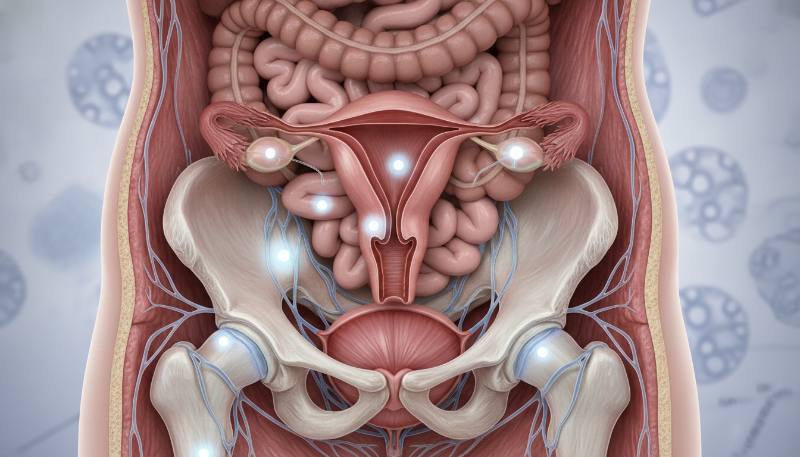
Where in the pelvis can pain originate from? Pain can originate from any organ or structure within the pelvic cavity, including the uterus, ovaries, fallopian tubes, bladder, bowel, prostate (in men), muscles of the pelvic floor, ligaments, bones, and nerves. The location and character of the pain can offer clues, but referred pain is common, making diagnosis complex.
Understanding the diverse nature of pelvic pain causes is the first step toward finding relief. Whether your pain stems from gynecological conditions, digestive issues, urinary problems, musculoskeletal imbalances, nerve entrapment, or even psychological factors, a clear diagnosis is essential. By working closely with healthcare professionals and exploring all potential avenues, you can embark on a journey toward managing your discomfort and improving your quality of life.
Remember, persistent pelvic pain is not something you have to live with. There are effective treatments and strategies available to address the underlying pelvic pain causes and help you regain control over your health. Don’t hesitate to seek expert medical advice to begin your path to recovery.
Frequently Asked Questions About Pelvic Pain Causes
What are the most common causes of chronic pelvic pain?
Chronic pelvic pain can stem from various sources, including endometriosis, adenomyosis, uterine fibroids, interstitial cystitis, irritable bowel syndrome (IBS), and musculoskeletal issues. Nerve entrapment and pelvic floor dysfunction are also significant factors among pelvic pain causes.
Why do women experience pelvic pain?
Women experience pelvic pain due to unique reproductive organs like the uterus and ovaries, which are susceptible to conditions like ovarian cysts, fibroids, endometriosis, and PID. Hormonal fluctuations, pregnancy, and childbirth can also contribute to pelvic pain causes.
What conditions can lead to sudden severe pelvic pain?
Sudden severe pelvic pain often indicates an acute issue such as a ruptured ovarian cyst, ectopic pregnancy, appendicitis, kidney stones, or a pelvic inflammatory disease (PID) flare-up. These conditions typically require immediate medical attention for pelvic pain causes.
How is the underlying cause of pelvic pain diagnosed?
Diagnosing the underlying pelvic pain causes involves a thorough medical history, physical exam, and tests like ultrasounds, MRI, CT scans, blood tests, urine tests, and sometimes laparoscopy. A multidisciplinary approach may be necessary to identify pelvic pain causes.
Who should I see if I have persistent pelvic pain?
For persistent pelvic pain, you should consult an OBGYN first. Depending on the suspected cause, you might be referred to a gastroenterologist, urologist, pain specialist, or physical therapist specializing in pelvic floor dysfunction for pelvic pain causes.
Can digestive issues be a cause of pelvic pain?
Yes, digestive issues are common pelvic pain causes. Conditions like Irritable Bowel Syndrome (IBS), diverticulitis, inflammatory bowel disease (IBD), and chronic constipation can refer pain to the pelvic region, mimicking gynecological problems and contributing to pelvic pain causes.
Why does pelvic pain sometimes worsen during menstruation?
Pelvic pain often worsens during menstruation due to increased prostaglandin production, which causes uterine contractions. Conditions like endometriosis and adenomyosis, where uterine-like tissue grows outside or within the uterine wall, can also intensify pain during periods, making them significant pelvic pain causes.
What are the symptoms commonly associated with pelvic inflammatory disease (PID) causing pelvic pain?
Pelvic inflammatory disease (PID) causing pelvic pain often presents with lower abdominal pain, fever, unusual vaginal discharge with a foul odor, painful intercourse, and painful or difficult urination. It requires prompt antibiotic treatment to address these pelvic pain causes.
Are ovarian cysts a common cause of pelvic pain?
Yes, ovarian cysts are a very common cause of pelvic pain. While many are asymptomatic, larger cysts or those that rupture or twist (ovarian torsion) can cause sharp, sudden, or persistent pain, often on one side of the pelvis, making them frequent pelvic pain causes.
What non-gynecological factors can cause pelvic pain?
Beyond gynecological issues, non-gynecological pelvic pain causes include urinary tract infections (UTIs), interstitial cystitis, kidney stones, musculoskeletal problems (e.g., pelvic floor dysfunction, muscle spasms), nerve entrapment, and psychological factors like stress or anxiety, all contributing to pelvic pain causes.
Frequently Asked Questions About Pelvic Pain Causes
What are the most common causes of chronic pelvic pain?
Chronic pelvic pain can stem from various sources, including endometriosis, adenomyosis, uterine fibroids, interstitial cystitis, irritable bowel syndrome (IBS), and musculoskeletal issues. Nerve entrapment and pelvic floor dysfunction are also significant factors.
Why do women experience pelvic pain?
Women experience pelvic pain due to unique reproductive organs like the uterus and ovaries, which are susceptible to conditions like ovarian cysts, fibroids, endometriosis, and PID. Hormonal fluctuations, pregnancy, and childbirth can also contribute.
What conditions can lead to sudden severe pelvic pain?
Sudden severe pelvic pain often indicates an acute issue such as a ruptured ovarian cyst, ectopic pregnancy, appendicitis, kidney stones, or a pelvic inflammatory disease (PID) flare-up. These conditions typically require immediate medical attention.
How is the underlying cause of pelvic pain diagnosed?
Diagnosing the underlying pelvic pain causes involves a thorough medical history, physical exam, and tests like ultrasounds, MRI, CT scans, blood tests, urine tests, and sometimes laparoscopy. A multidisciplinary approach may be necessary.
Who should I see if I have persistent pelvic pain?
For persistent pelvic pain, you should consult an OBGYN first. Depending on the suspected cause, you might be referred to a gastroenterologist, urologist, pain specialist, or physical therapist specializing in pelvic floor dysfunction.
Can digestive issues be a cause of pelvic pain?
Yes, digestive issues are common pelvic pain causes. Conditions like Irritable Bowel Syndrome (IBS), diverticulitis, inflammatory bowel disease (IBD), and chronic constipation can refer pain to the pelvic region, mimicking gynecological problems.
Why does pelvic pain sometimes worsen during menstruation?
Pelvic pain often worsens during menstruation due to increased prostaglandin production, which causes uterine contractions. Conditions like endometriosis and adenomyosis, where uterine-like tissue grows outside or within the uterine wall, can also intensify pain during periods.
What are the symptoms commonly associated with pelvic inflammatory disease (PID) causing pelvic pain?
Pelvic inflammatory disease (PID) causing pelvic pain often presents with lower abdominal pain, fever, unusual vaginal discharge with a foul odor, painful intercourse, and painful or difficult urination. It requires prompt antibiotic treatment.
Are ovarian cysts a common cause of pelvic pain?
Yes, ovarian cysts are a very common cause of pelvic pain. While many are asymptomatic, larger cysts or those that rupture or twist (ovarian torsion) can cause sharp, sudden, or persistent pain, often on one side of the pelvis.
What non-gynecological factors can cause pelvic pain?
Beyond gynecological issues, non-gynecological pelvic pain causes include urinary tract infections (UTIs), interstitial cystitis, kidney stones, musculoskeletal problems (e.g., pelvic floor dysfunction, muscle spasms), nerve entrapment, and psychological factors like stress or anxiety.
Learn more from authoritative resources: Consumer Reports and HGTV.