
Period Pain Relief is a crucial topic for millions, impacting daily life and well-being. For those experiencing the monthly discomfort of menstrual cramps, finding effective strategies for lasting comfort is not just a desire, but a necessity. This comprehensive guide will explore 10 brilliant, proven strategies to help you manage and alleviate period pain, empowering you with actionable insights and expert advice.
Key Takeaways for Period Pain Relief
- Understand the underlying causes of menstrual pain and when to seek professional medical advice for effective Period Pain Relief.
- Discover the most effective over-the-counter medications and natural home remedies for immediate and sustained comfort.
- Learn how lifestyle adjustments, dietary changes, and specific supplements can significantly reduce the severity of period pain over time.
- Explore innovative non-medicinal devices and topical solutions that offer targeted relief without the need for oral medication.
Understanding Period Pain Relief: The Science Behind Menstrual Discomfort
Menstrual pain, medically known as dysmenorrhea, is a common experience for many individuals. It can range from mild discomfort to severe, debilitating cramps. Understanding the root causes is the first step toward effective Period Pain Relief. The primary culprit is often prostaglandins, hormone-like substances produced by the uterine lining.
These prostaglandins trigger uterine muscle contractions, which help shed the uterine lining during menstruation. Higher levels of prostaglandins can lead to stronger, more painful contractions, resulting in severe period pain. This explains why some individuals experience more intense discomfort than others each month.
The Role of Prostaglandins in Period Pain Relief
Prostaglandins are essential for the menstrual process, but their overproduction can exacerbate pain. Many effective strategies for Period Pain Relief focus on reducing prostaglandin levels or counteracting their effects. This scientific understanding guides the selection of both medicinal and natural remedies.
When to Seek Professional Guidance for Period Pain Relief
While many find relief with home remedies, persistent and severe period pain warrants a consultation with a healthcare provider. Conditions like endometriosis, fibroids, or adenomyosis can cause intense discomfort and require professional diagnosis and management. An OB/GYN can help identify underlying issues and recommend tailored Period Pain Relief strategies.
Strategy 1: Over-the-Counter Medications for Effective Period Pain Relief
For many, over-the-counter (OTC) medications are the first line of defense against menstrual cramps. These readily available options can provide significant Period Pain Relief by targeting the mechanisms that cause pain. It is crucial to use them as directed and be aware of potential side effects.
NSAIDs and Acetaminophen for Period Pain Relief
Non-steroidal anti-inflammatory drugs (NSAIDs) like ibuprofen (Advil, Motrin) and naproxen (Aleve) are highly effective. They work by inhibiting prostaglandin production, thereby reducing uterine contractions and inflammation. Acetaminophen (Tylenol) can also offer Period Pain Relief, though it works differently by affecting pain perception in the brain.
Potential Side Effects of Period Pain Relief Options
While generally safe, OTC pain relievers can have side effects. NSAIDs may cause stomach upset, heartburn, or, in rare cases, allergic reactions. Long-term or high-dose use can affect kidney function. Acetaminophen, when taken in excess, can harm the liver. Always adhere to dosage instructions and consult a doctor if you have pre-existing conditions or concerns about Period Pain Relief medications.
Strategy 2: Harnessing Heat Therapy for Instant Period Pain Relief
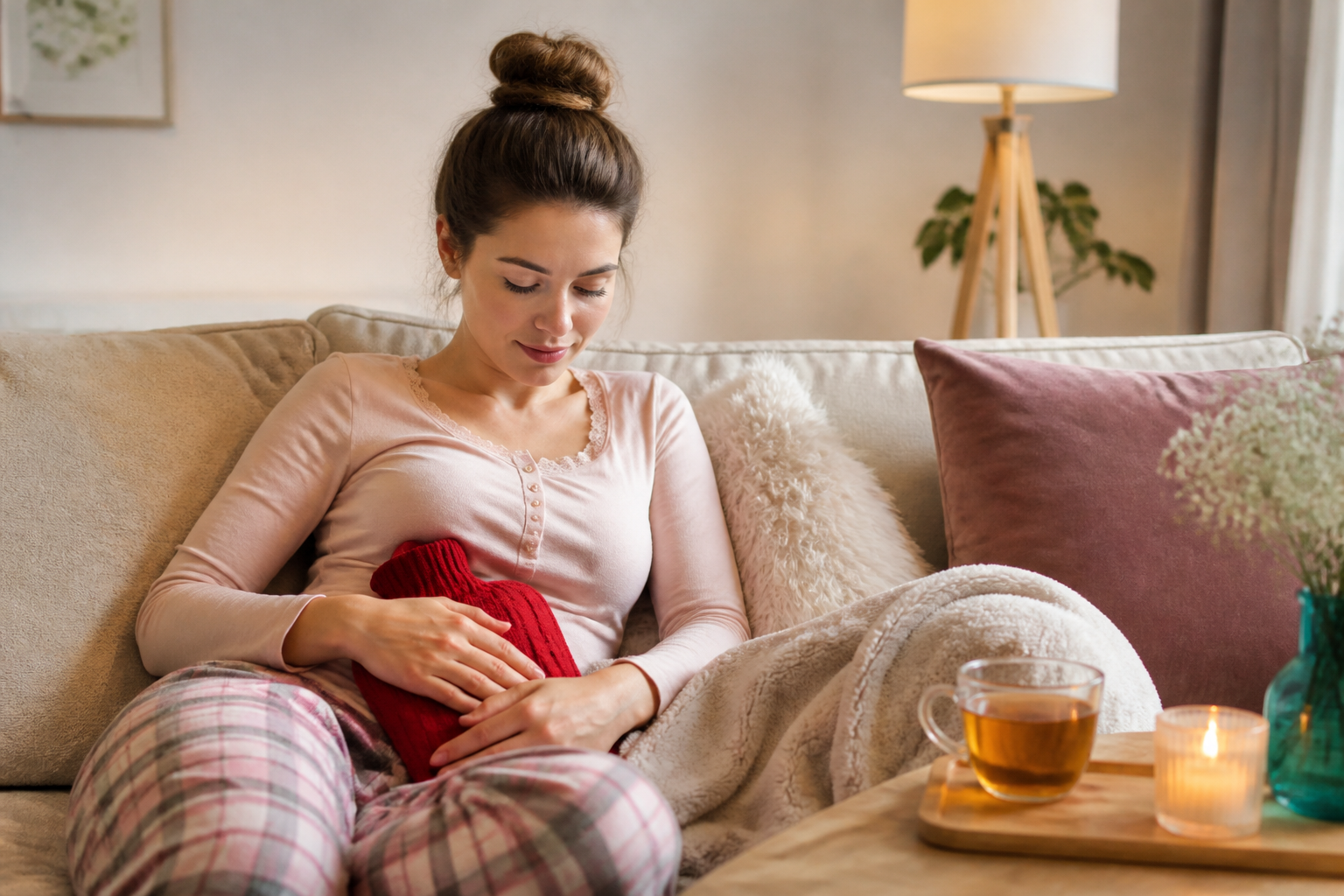
Heat therapy is a time-honored and highly effective method for providing immediate Period Pain Relief. Applying heat to the abdominal area helps relax the uterine muscles, improve blood flow, and alleviate cramping. It is a simple, non-invasive approach that can be used alone or in conjunction with other treatments.
Best Heating Pads for Period Pain Relief
Electric heating pads and hot water bottles are excellent choices. Look for heating pads with multiple heat settings and an automatic shut-off feature for safety. Brands like Sunbeam and Pure Enrichment are often highly rated for their comfort and effectiveness in delivering consistent warmth for Period Pain Relief.
Period Pain Relief Patches: A Convenient Option
For on-the-go comfort, period pain relief patches offer a discreet and convenient solution. These patches often contain heat-generating elements, or sometimes ingredients like CBD or lidocaine, which provide localized relief. They can be purchased at most pharmacies and online retailers, making them accessible for quick Period Pain Relief throughout the day.
Strategy 3: Natural Home Remedies for Holistic Period Pain Relief
Many individuals prefer natural approaches for Period Pain Relief, seeking methods that work with the body. These home remedies can be very effective, especially for mild to moderate pain, and often have fewer side effects than medications. They focus on calming the body and reducing inflammation.
Herbal Teas and Essential Oils for Period Pain Relief
Certain herbal teas, such as ginger, chamomile, and peppermint, possess anti-inflammatory and antispasmodic properties that can aid in Period Pain Relief. A warm cup can be soothing. Diluted essential oils like lavender or clary sage, massaged onto the abdomen, may also offer comfort through their relaxing effects.
Gentle Movement and Relaxation for Period Pain Relief
Light exercise, such as walking, gentle yoga, or stretching, can help reduce period pain by increasing blood flow and releasing endorphins. Relaxation techniques like deep breathing, meditation, or even a warm bath can also significantly contribute to Period Pain Relief by reducing stress and muscle tension.
Strategy 4: Dietary Adjustments and Supplements for Period Pain Relief
What you eat can significantly influence your body’s inflammatory response and, consequently, your menstrual pain levels. Incorporating certain foods and supplements into your diet can be a powerful strategy for long-term Period Pain Relief.
Anti-Inflammatory Foods for Period Pain Relief
Focus on a diet rich in anti-inflammatory foods. This includes omega-3 fatty acids found in salmon, flaxseeds, and walnuts, which can help reduce prostaglandin production. Magnesium-rich foods like dark leafy greens, nuts, and avocados are also beneficial, as magnesium helps relax muscles and can ease cramps, contributing to natural Period Pain Relief.
Key Supplements for Enhanced Period Pain Relief
Several supplements have shown promise in reducing period pain. Magnesium, vitamin B1 (thiamine), and omega-3 fatty acids are commonly recommended. Ginger supplements, known for their anti-inflammatory properties, can also be effective. Always discuss any new supplements with your healthcare provider to ensure they are appropriate for your individual needs and to optimize your Period Pain Relief plan.
Strategy 5: Exploring Non-Medicinal Devices for Period Pain Relief
Beyond traditional medications and natural remedies, several non-medicinal devices offer innovative approaches to Period Pain Relief. These options provide targeted comfort and can be excellent alternatives for those seeking drug-free solutions.
TENS Devices for Targeted Period Pain Relief
Transcutaneous Electrical Nerve Stimulation (TENS) devices use mild electrical pulses to block pain signals from reaching the brain. They can be applied to the lower abdomen or back, offering localized Period Pain Relief. Many find TENS devices to be highly effective, with effects often felt within minutes of application.
Acupressure and Massage for Period Pain Relief
While not strictly a device, acupressure involves applying pressure to specific points on the body to alleviate pain. Certain acupressure points are known to help with menstrual cramps. Gentle abdominal massage can also provide significant Period Pain Relief by relaxing muscles and improving circulation. These methods offer rapid, localized comfort.
Strategy 6: Lifestyle Changes for Long-Term Period Pain Relief
Adopting certain lifestyle habits can profoundly impact the frequency and severity of menstrual pain, offering sustained Period Pain Relief. These changes require consistency but yield significant long-term benefits for overall well-being.
Exercise and Stress Management for Period Pain Relief
Regular, moderate exercise is a powerful tool for Period Pain Relief. Physical activity releases endorphins, natural pain relievers, and improves circulation. Additionally, chronic stress can exacerbate pain, so incorporating stress-reduction techniques like yoga, meditation, or mindfulness can be highly beneficial.
Sleep and Hydration for Optimal Period Pain Relief
Adequate sleep is crucial for the body’s healing and recovery processes. Aim for 7-9 hours of quality sleep per night, especially during your menstrual cycle. Staying well-hydrated is also vital, as dehydration can worsen cramps. Drinking plenty of water supports overall bodily functions and can contribute to better Period Pain Relief.
Strategy 7: Topical Balms and Creams for Localized Period Pain Relief
Topical solutions offer direct application of pain-relieving ingredients to the affected area, providing localized Period Pain Relief without systemic effects. These balms and creams are a popular choice for many seeking comfort.
Understanding Ingredients in Period Pain Relief Topicals
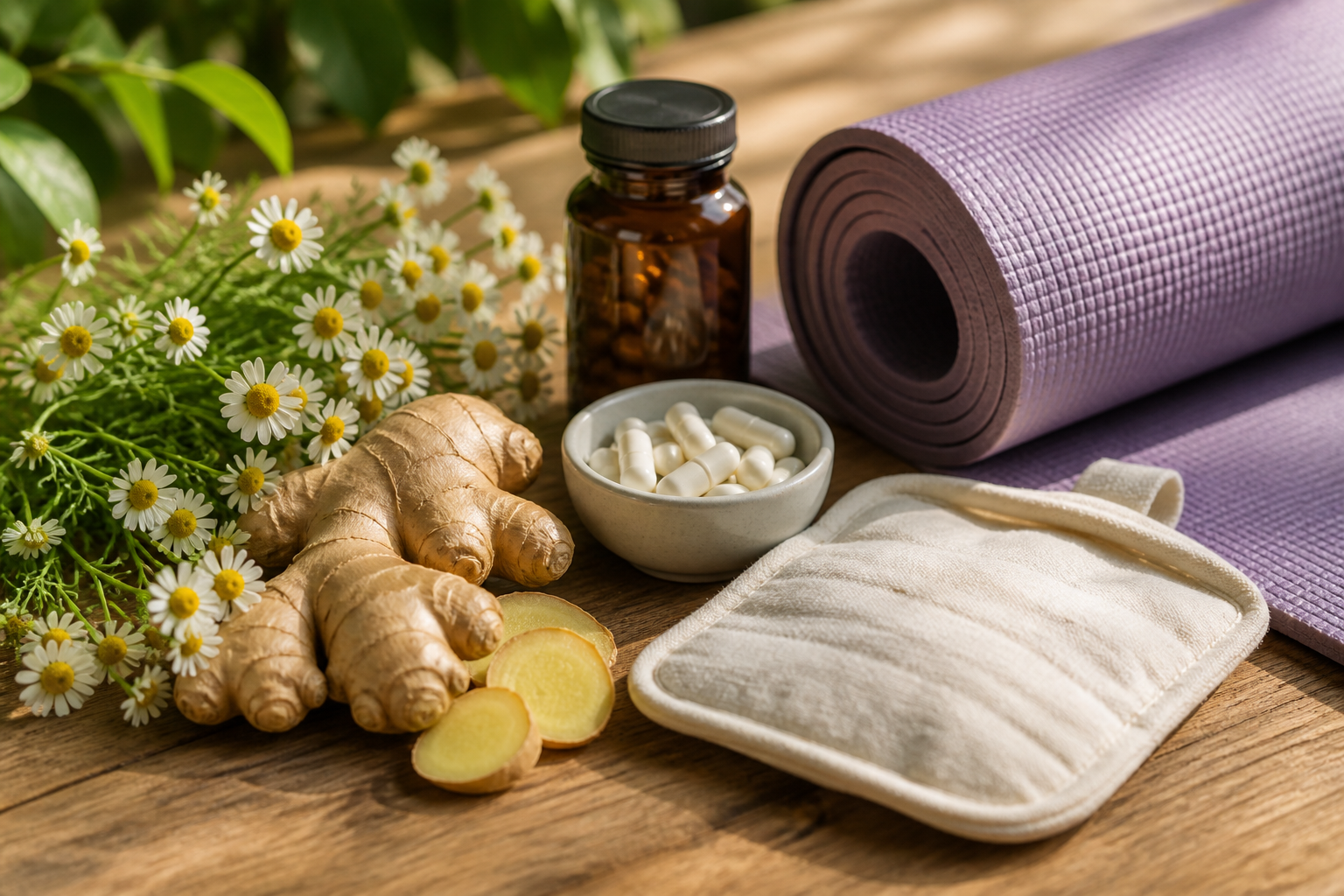
Many period pain relief balms and creams contain ingredients like menthol, camphor, or capsaicin, which create warming or cooling sensations to distract from pain. Others may include anti-inflammatory compounds or essential oils like CBD, which interact with local pain receptors. These topicals can offer quick and effective Period Pain Relief directly where it’s needed.
Strategy 8: Hormonal Birth Control as a Period Pain Relief Solution
For individuals experiencing severe or persistent menstrual pain, hormonal birth control can be a highly effective medical intervention. These methods work by regulating hormone levels and often thinning the uterine lining, which reduces prostaglandin production and, consequently, the intensity of cramps.
Consulting Your Doctor for Hormonal Period Pain Relief
Options include oral contraceptive pills, patches, rings, or hormonal IUDs. They can significantly reduce both the severity and duration of period pain. It is essential to consult with an OB/GYN to determine if hormonal birth control is a suitable and safe option for your specific health profile and to discuss potential side effects as part of your Period Pain Relief plan.
Seeking Lasting Period Pain Relief? Consult Comprehensive OBGYN.
Our experienced team at Comprehensive OBGYN understands the complexities of menstrual discomfort. We provide personalized care and effective solutions to help you achieve greater comfort and well-being.
Strategy 9: When to Consider Advanced Medical Interventions for Period Pain Relief
While many strategies provide effective Period Pain Relief, some individuals may experience debilitating pain that significantly disrupts their daily life. In such cases, exploring advanced medical interventions with a specialist becomes crucial. This often involves a comprehensive diagnostic process.
Diagnostic Approaches for Severe Period Pain Relief
An OB/GYN can perform examinations and tests, such as ultrasounds or laparoscopy, to diagnose underlying conditions like endometriosis, uterine fibroids, or adenomyosis. Once a diagnosis is made, treatment plans may include prescription-strength NSAIDs, specific hormonal therapies, or, in some cases, surgical options to address the root cause of the severe period pain. The most effective way to manage period pain that disrupts daily life is often a multi-faceted approach, combining medical treatments with lifestyle adjustments.
Strategy 10: Finding the Right Products and Support for Period Pain Relief
Navigating the vast array of products and information available for menstrual discomfort can be overwhelming. Knowing where to find reliable reviews and support can empower you to make informed decisions for your Period Pain Relief journey.
Navigating Product Reviews for Period Pain Relief
When seeking new products, consult reputable sources for reviews. Major e-commerce sites, health forums, and consumer review platforms can offer insights into product effectiveness and user satisfaction. Look for consistent positive feedback and consider products recommended by healthcare professionals to guide your choices for optimal Period Pain Relief.
For further authoritative information on managing menstrual pain, you can refer to resources from the American College of Obstetricians and Gynecologists (ACOG).
Achieving Lasting Comfort with Effective Period Pain Relief
Experiencing period pain is common, but suffering through it is not inevitable. By understanding the causes and exploring the 10 brilliant strategies outlined in this guide, you can find effective Period Pain Relief and regain control over your monthly cycle. From over-the-counter medications and natural remedies to lifestyle changes and, when necessary, medical interventions, a personalized approach is key.
Empower yourself with knowledge and proactive steps to achieve lasting comfort and improve your overall quality of life. Remember, if your pain is severe or persistent, consulting a healthcare professional is always the best course of action to ensure comprehensive and tailored Period Pain Relief.
What are the best over-the-counter medications for period pain relief?
Non-steroidal anti-inflammatory drugs (NSAIDs) like ibuprofen (Advil, Motrin) and naproxen (Aleve) are generally considered the most effective OTC options for period pain relief. They work by reducing prostaglandins, hormone-like substances that cause uterine contractions and pain. Always follow dosage instructions and consult a healthcare provider if you have underlying health conditions.
How to relieve period pain naturally at home?
Natural home remedies for period pain relief include applying a heating pad or hot water bottle to your abdomen, light exercise like walking or yoga, herbal teas (such as ginger or chamomile), and practicing relaxation techniques like deep breathing or meditation. Adequate rest and staying hydrated are also beneficial.
Why do I get severe period pain every month?
Severe period pain, or dysmenorrhea, can be caused by higher levels of prostaglandins, which lead to stronger uterine contractions. Underlying conditions like endometriosis, fibroids, adenomyosis, or pelvic inflammatory disease can also cause severe pain. It’s important to consult a healthcare provider for diagnosis if your pain is debilitating.
Who should I consult for persistent and severe period pain?
If you experience persistent and severe period pain, you should consult an OB/GYN or a primary care physician. They can help identify the underlying cause, recommend appropriate medical interventions, and discuss various Period Pain Relief strategies, including prescription medications or other treatments.
What foods or supplements can help reduce period pain?
Foods rich in omega-3 fatty acids (like salmon, flaxseeds), magnesium (dark leafy greens, nuts), and calcium (dairy, fortified plant milks) may help. Supplements like ginger, magnesium, vitamin B1, and omega-3s have shown promise in reducing period pain for some individuals. Always discuss supplements with your doctor.
Where can I purchase period pain relief patches?
Period pain relief patches, which often contain heat, CBD, or lidocaine, can be purchased at most pharmacies, drugstores, and online retailers. Brands like Thermacare for heat or specific topical pain relief brands offer various options. Check product reviews and ingredients to find one suitable for you.
Are there any non-medicinal devices for period pain relief?
Yes, several non-medicinal devices offer period pain relief. These include TENS (Transcutaneous Electrical Nerve Stimulation) devices, which use mild electrical pulses to block pain signals, and reusable heating pads or wraps. These devices provide targeted comfort without medication.
How long does menstrual cramp relief typically take to work?
The onset of menstrual cramp relief varies depending on the method. Oral pain relievers like NSAIDs typically start working within 30-60 minutes. Topical applications, heat therapy, or TENS devices may provide quicker, localized relief, often within minutes of application, though effects can be cumulative.
What are the potential side effects of different period pain relief options?
OTC NSAIDs can cause stomach upset, heartburn, or rare allergic reactions. Hormonal birth control may have side effects like mood changes or weight fluctuations. Natural remedies are generally safer but can still cause mild digestive issues or allergic reactions. Always be aware of potential side effects and discuss with your doctor.
Which brand of heating pad is best for period pain?
While ‘best’ is subjective, popular and highly-rated heating pad brands for period pain relief include Sunbeam, Pure Enrichment, and Thermacare (for disposable, adhesive options). Look for features like multiple heat settings, automatic shut-off, and soft, comfortable materials for optimal comfort and safety.
What are natural remedies for immediate period pain relief?
For more immediate natural period pain relief, consider applying targeted heat with a hot water bottle, performing gentle stretches like child’s pose or cat-cow, or consuming a warm cup of ginger or peppermint tea. Some find rapid relief with specific acupressure points or a warm essential oil massage (diluted).
Can lifestyle changes significantly impact period pain levels?
Absolutely. Lifestyle changes can profoundly impact period pain levels. Regular, moderate exercise, maintaining a balanced diet rich in anti-inflammatory foods, ensuring adequate sleep, and consistently practicing stress-reduction techniques can collectively reduce the frequency and severity of menstrual cramps over time.
How do period pain relief balms or creams work?
Period pain relief balms or creams typically work by delivering active ingredients (like menthol, camphor, CBD, or essential oils) directly to the skin above the affected area. These ingredients can provide warming or cooling sensations, promote blood flow, or have anti-inflammatory properties, offering localized comfort and muscle relaxation.
Where can I find reviews for period pain relief products?
You can find reviews for period pain relief products on major e-commerce websites (Amazon, Walmart, CVS), specialized health and wellness forums, and reputable consumer review sites. Looking at reviews can help you assess product effectiveness, user satisfaction, and potential drawbacks from real-world experiences.
What is the most effective way to manage period pain that disrupts daily life?
The most effective way to manage period pain that disrupts daily life often involves a multi-faceted approach, combining medical treatments (like prescription NSAIDs or hormonal therapy) with lifestyle adjustments (diet, exercise, stress management) and natural remedies. Crucially, consulting an OB/GYN is essential to identify and address any underlying conditions.