
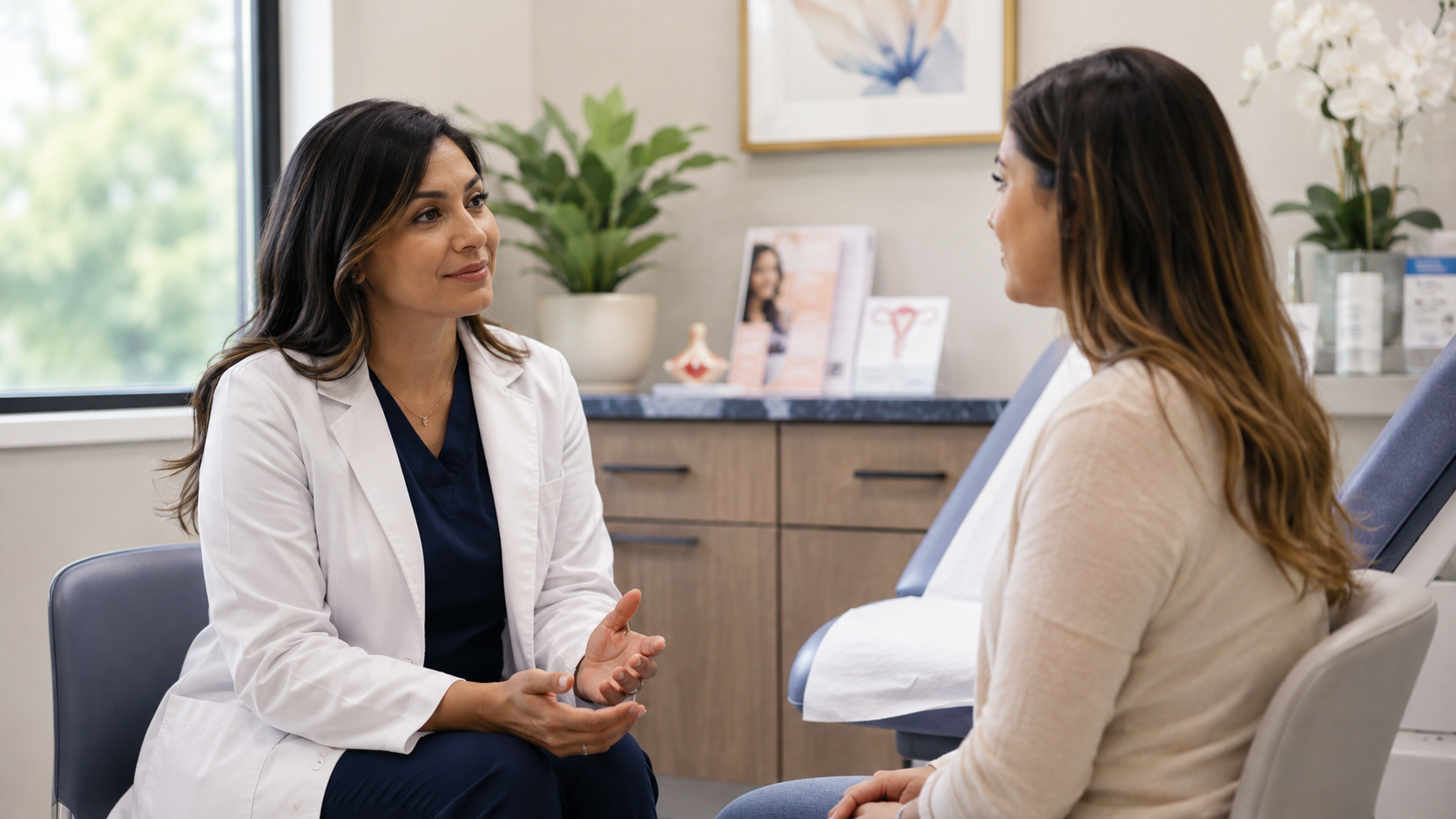
Private Wellness Concerns are more common than many women realize. Yet many patients hesitate to bring them up during an OB-GYN visit because the topics can feel personal, embarrassing, or hard to explain.
The truth is simple: questions about vaginal dryness, discomfort with intimacy, urinary leakage, pelvic pressure, libido changes, irritation, and confidence are part of women’s health. These concerns can happen during many seasons of life, including after childbirth, during perimenopause, after menopause, or even during stressful life changes.
At Comprehensive OB-GYN Blog, our goal is to make women’s health education feel clear, respectful, and easier to discuss. Private Wellness Concerns do not mean something is “wrong” with you. They often mean your body is asking for attention, support, or a conversation with a qualified provider.
This article is for general education only. It does not diagnose, treat, or replace medical advice. Please speak with your healthcare provider about your personal symptoms.
What Are Private Wellness Concerns?
Private Wellness Concerns are personal women’s health questions related to comfort, intimacy, pelvic health, bladder changes, vaginal symptoms, and confidence.
These concerns may include:
- Vaginal dryness
- Pain or discomfort with intimacy
- Burning, itching, or irritation
- Urinary leakage
- Frequent urgency to urinate
- Changes in libido
- Pelvic pressure or heaviness
- Postpartum pelvic floor changes
- Menopause-related intimate changes
- Confidence changes after pregnancy, childbirth, or hormonal shifts
ACOG notes that vulvovaginal symptoms can include vaginal dryness, pain with sex, bladder symptoms, burning, itching, irritation, and frequent urinary tract infections.
Private Wellness Concerns are worth discussing because many of them may have supportive care options. A provider can help you understand what may be contributing to symptoms and what next steps may be appropriate for your body.
Private Wellness Concerns Are Not Rare
One of the most reassuring things to know is that Private Wellness Concerns are common.
Many women experience changes in vaginal comfort, bladder control, pelvic floor support, or intimacy at some point. These changes may be connected to pregnancy, childbirth, aging, menopause, hormone shifts, certain medications, stress, pelvic floor function, or other health factors.
For example, urinary incontinence can affect physical, emotional, and social well-being, and it may cause lifestyle restrictions for some women. ACOG explains that identifying the cause and creating an individualized plan can help improve quality of life.
The Office on Women’s Health also notes that pregnancy, childbirth, and menopause can affect the urinary tract and pelvic floor muscles that support the bladder, urethra, uterus, and bowels.
So, if you have Private Wellness Concerns, you are not alone.
1. Vaginal Dryness Can Happen for Many Reasons
Vaginal dryness is one of the most common Private Wellness Concerns women may feel nervous to mention.
It may happen during perimenopause or menopause because estrogen levels change. It may also occur postpartum, during breastfeeding, after certain medications, or during times of stress.
Dryness may cause:
- Irritation
- Burning
- Discomfort with intimacy
- Sensitivity with clothing
- Discomfort during pelvic exams
ACOG explains that lower estrogen can reduce natural vaginal moisture and may also affect the vulva, the external genital area.
The important message is this: vaginal dryness is not something you have to silently tolerate. A provider can help you understand whether lubricants, moisturizers, hormonal options, non-hormonal options, or other recommendations may be appropriate.
2. Pain With Intimacy Deserves a Conversation
Pain with intimacy can feel difficult to talk about, but it is a valid medical concern.
Some women describe it as burning. Others describe pressure, tightness, dryness, soreness, or deeper pelvic discomfort. Pain may happen occasionally or become frequent enough to affect confidence, relationships, and emotional wellness.
Private Wellness Concerns involving intimacy may be related to:
- Vaginal dryness
- Pelvic floor muscle tension
- Menopause-related tissue changes
- Postpartum healing
- Scar tissue
- Infections or irritation
- Hormonal changes
- Skin conditions
- Stress or anxiety around pain
ACOG lists several possible support options depending on the cause, including avoiding harsh scented products for irritation, vaginal estrogen for dryness when appropriate, dilators for difficulty with penetration, and pelvic floor physical therapy for pain or pelvic problems.
This does not mean every patient needs the same treatment. It means the conversation matters.
3. Urinary Leakage Is a Health Topic, Not a Personal Failure
Urinary leakage is another common Private Wellness Concern.
Some women leak when they cough, laugh, sneeze, exercise, or lift. Others feel a sudden urge and worry they may not reach the bathroom in time. Some experience both.
ACOG explains that urinary incontinence in women can include stress urinary incontinence, urgency urinary incontinence, and mixed urinary incontinence.
Urinary leakage may be connected to:
- Pregnancy
- Vaginal delivery
- Menopause
- Pelvic floor muscle changes
- Aging
- Certain medical conditions
- Chronic coughing
- High-impact exercise
- Weight changes
- Bladder habits
Many women try to manage leakage privately with pads, clothing choices, or avoiding activities. But urinary leakage is worth discussing because pelvic floor support, bladder training, lifestyle changes, medical evaluation, and other care options may help depending on the cause.
Private Wellness Concerns like leakage are not about shame. They are about quality of life.
4. Pelvic Floor Health Affects More Than You Think
Your pelvic floor is a group of muscles that helps support the bladder, uterus, bowel, and pelvic organs. It also plays a role in bladder control, bowel control, sexual comfort, and core support.
Pelvic floor changes can feel different from person to person.
Some women may notice:
- Leakage
- Pelvic pressure
- Difficulty fully relaxing
- Pain with intimacy
- Constipation or straining
- Heaviness
- Postpartum weakness
- Lower back or pelvic discomfort
The FDA Office of Women’s Health notes that understanding signs of pelvic floor disorders and getting treatment early can help prevent discomfort and improve quality of life. It also encourages regular checkups and conversations with healthcare providers about long-term pelvic floor health.
Private Wellness Concerns related to the pelvic floor may require more than “just do Kegels.” Some women need strengthening, while others need relaxation, coordination, or pelvic floor physical therapy guidance.
5. Menopause Can Affect Intimate Wellness
Menopause is often discussed in terms of hot flashes and night sweats, but intimate wellness changes are also common.
As hormone levels change, some women notice:
- Vaginal dryness
- Burning or irritation
- Pain with intimacy
- Urinary urgency
- More frequent urinary symptoms
- Libido changes
- Sleep disruption
- Mood changes
The Office on Women’s Health explains that as menopause approaches, women may notice pain during sex, urinary problems, and irregular periods, and it encourages women to talk with a healthcare provider about symptoms because treatments may help.
Private Wellness Concerns during menopause deserve the same attention as hot flashes or sleep problems. These symptoms can affect comfort, confidence, relationships, and day-to-day life.
6. Postpartum Changes Can Continue Longer Than Expected
After childbirth, many women expect a recovery period. But some Private Wellness Concerns may continue beyond the first few weeks or months.
Postpartum concerns may include:
- Vaginal dryness, especially while breastfeeding
- Pain with intimacy
- Pelvic floor weakness
- Urinary leakage
- Scar discomfort
- Pelvic heaviness
- Reduced libido
- Body confidence changes
- Fear of intimacy after birth
These concerns are common, but they should not be dismissed. Healing timelines vary. Birth experiences vary. Hormonal changes vary. Support should be personalized.
A postpartum visit is a good time to ask about symptoms, but you can bring up concerns at any later OB-GYN appointment too.
Helpful questions include:
- “Is this normal for my stage of recovery?”
- “Could pelvic floor therapy help?”
- “What can I do for dryness or discomfort?”
- “When should I be concerned about leakage?”
- “Are there safe options while breastfeeding?”
Private Wellness Concerns after birth are not selfish or secondary. They are part of postpartum care.
7. You Do Not Need the Perfect Words to Ask for Help
Many patients delay asking about Private Wellness Concerns because they do not know how to explain what they are feeling.
You do not need perfect medical terms.
You can simply say:
- “I feel dryness and discomfort.”
- “Sex has become painful.”
- “I leak when I cough or exercise.”
- “I feel pressure or heaviness.”
- “Something feels different since childbirth.”
- “I have irritation that keeps coming back.”
- “My libido has changed, and I want to understand why.”
- “I feel embarrassed, but I want to ask about intimate wellness.”
Your provider is used to discussing personal women’s health topics. These conversations are part of OB-GYN care.
When Should You Call a Provider?
Private Wellness Concerns are often non-emergency topics, but some symptoms should be discussed promptly.
Contact your provider if you notice:
- Bleeding after menopause
- Unexplained spotting
- New or worsening pelvic pain
- Persistent burning or irritation
- Unusual discharge or odor
- Pain with intimacy that continues
- Recurrent urinary symptoms
- Leakage that affects daily life
- Pelvic pressure or a bulge sensation
- Symptoms that make you avoid activities or intimacy
Mayo Clinic notes that people should make an appointment for symptoms such as unexplained spotting, unusual vaginal fluid, burning, or soreness.
If symptoms are severe, sudden, or urgent, contact your healthcare provider directly or seek emergency care when appropriate.
Helpful Questions to Ask at Your OB-GYN Visit
If you are preparing for a visit, you may want to write down your symptoms before the appointment.
Here are questions that may help:
| Concern | Question to Ask |
|---|---|
| Dryness | “What could be causing vaginal dryness, and what options are safe for me?” |
| Pain with intimacy | “Could this be related to hormones, pelvic floor muscles, or another condition?” |
| Leakage | “What type of urinary leakage might this be?” |
| Pelvic pressure | “Should I be evaluated for pelvic floor support changes?” |
| Menopause | “Are my intimate wellness symptoms related to menopause?” |
| Postpartum recovery | “Is this part of healing, or should we look deeper?” |
| Libido changes | “Could hormones, stress, pain, or medications be contributing?” |
Private Wellness Concerns become easier to manage when the conversation becomes specific.
Simple Ways to Prepare for the Conversation
Before your appointment, consider writing down:
- When symptoms started
- How often they happen
- What makes them better or worse
- Whether symptoms affect intimacy, exercise, sleep, or confidence
- Any recent pregnancy, birth, surgery, medication, or menopause changes
- Products you use, such as soaps, wipes, lubricants, pads, or washes
- Any urinary symptoms, discharge, bleeding, or pain
This information can help your provider understand the full picture.
Common Myths About Private Wellness Concerns
Myth: “I should just live with it.”
Many intimate wellness and pelvic health concerns have possible care options. You deserve to ask.
Myth: “It only happens after menopause.”
Private Wellness Concerns can happen at many ages and stages, including postpartum, during breastfeeding, during hormonal changes, or during stress.
Myth: “Urinary leakage is just part of being a woman.”
Urinary leakage is common, but that does not mean it should be ignored.
Myth: “Pain with intimacy is normal if I am older.”
Pain deserves evaluation. Menopause can contribute to intimate changes, but support may be available.
Myth: “My provider will think it is embarrassing.”
OB-GYN providers discuss these concerns regularly. Your comfort and health matter.
Why Comprehensive OB-GYN Blog Talks About Private Wellness Concerns
The Comprehensive OB-GYN Blog is designed to help patients feel more informed and prepared before their visit.
Private Wellness Concerns deserve respectful education because many women silently experience them. When patients understand that these concerns are common and worth discussing, they may feel more comfortable asking questions.
This blog supports topics such as intimate wellness, pelvic health, menopause, pregnancy, postpartum care, preventive care, and “Ask the Doctor” education, consistent with the Comprehensive OB-GYN Blog category structure.
Conclusion: Private Wellness Concerns Are Worth Discussing
Private Wellness Concerns are more common than you think. Vaginal dryness, discomfort with intimacy, urinary leakage, pelvic pressure, libido changes, postpartum concerns, and menopause-related changes are all valid reasons to start a conversation.
You do not need to feel embarrassed. You do not need to know the perfect words. You do not need to wait until symptoms become severe.
Private Wellness Concerns are part of women’s health, and discussing them with your provider may help you better understand your body, your options, and your next steps.
Have private wellness questions?
Private wellness concerns are common and worth discussing. If you have questions about dryness, discomfort, leakage, pelvic health, menopause, or postpartum changes, the Comprehensive OB-GYN team can help you start the conversation.
Contact Comprehensive OB-GYNHelpful External Resource
For additional general education about vulvovaginal health, visit the American College of Obstetricians and Gynecologists.
Read ACOG’s vulvovaginal health resourcePrivate Wellness Concerns FAQ
Common questions women may want to ask their OB-GYN provider.