
The journey to optimal wellness often begins within, specifically with the intricate ecosystem of your digestive system. For women, this internal balance is not just about comfortable digestion; it profoundly influences everything from hormonal harmony to mood stability and immune function. Understanding and nurturing Women’s Gut Health is a cornerstone of overall vitality, impacting daily energy and long-term well-being. This comprehensive guide will illuminate the vital role your gut plays in female physiology. We will explore the unique challenges women face, detail actionable steps to cultivate a thriving gut microbiome, and empower you with the knowledge to achieve transformative digestive wellness. Consider this your essential blueprint for unlocking a healthier, more vibrant you, built from the inside out.
Key Takeaways for Optimal Women’s Gut Health
- Recognize the unique connection between Women’s Gut Health and hormonal balance, immune function, and mental well-being.
- Discover 8 essential, actionable steps to nourish your gut microbiome, from dietary changes to stress management techniques.
- Understand why women are more susceptible to certain digestive issues and how to address these specific challenges effectively.
- Learn about the most beneficial foods, probiotic strains, and lifestyle adjustments for supporting a resilient digestive system.
Understanding Women’s Gut Health: The Foundation of Wellness
Your gut is home to trillions of microorganisms, collectively known as the gut microbiome. This complex community plays a pivotal role in digestion, nutrient absorption, and immune defense. For women, the health of this internal ecosystem is uniquely intertwined with hormonal fluctuations, stress responses, and even reproductive health, making Women’s Gut Health a critical area of focus for overall well-being.
An imbalanced gut, often referred to as dysbiosis, can manifest in a myriad of ways, extending far beyond digestive discomfort. Recognizing these signs is the first step toward reclaiming your vitality and supporting optimal Women’s Gut Health. Many women experience symptoms that are often dismissed or misattributed, highlighting the need for a deeper understanding of gut-body connections.
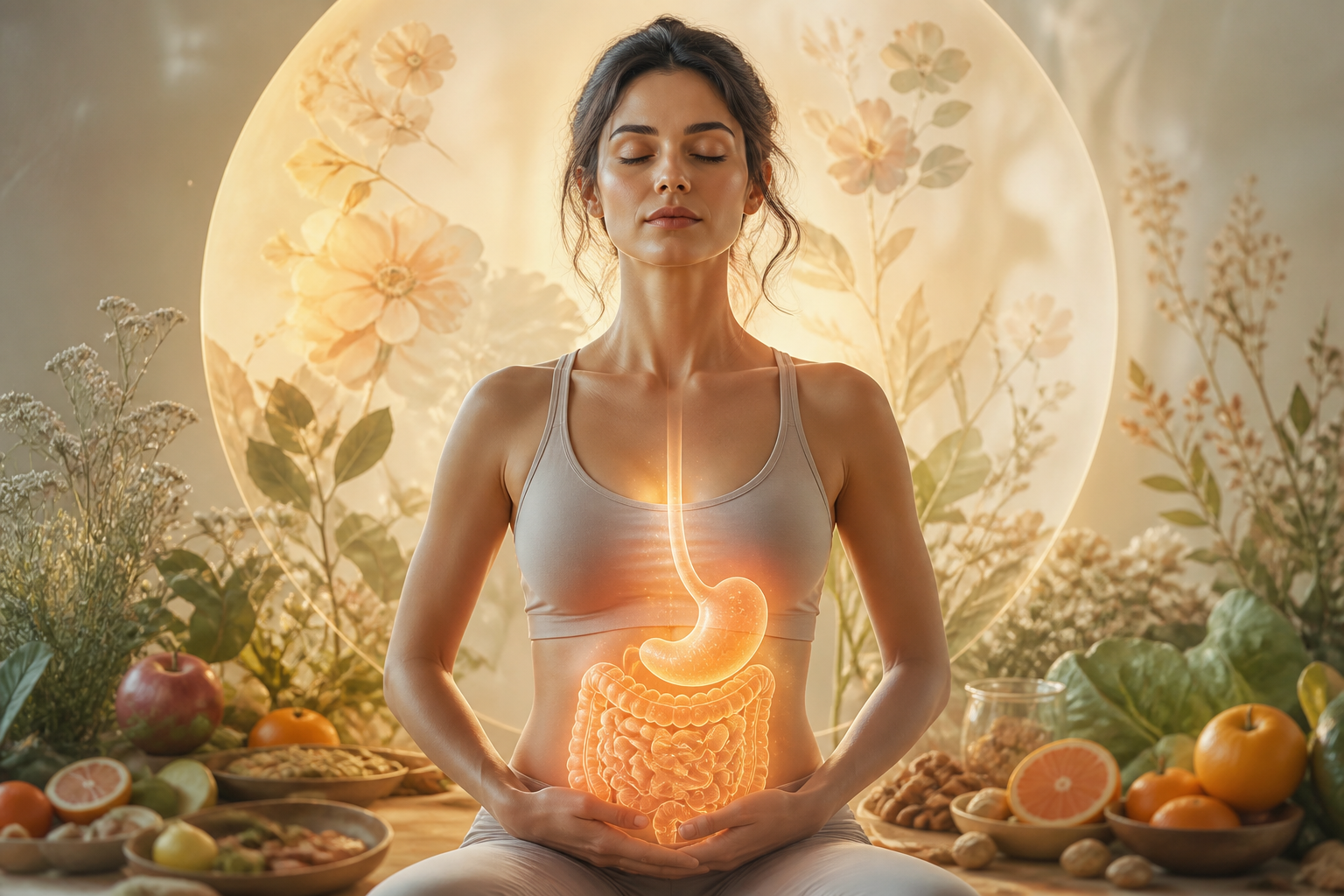
Common Symptoms of Unhealthy Women’s Gut Health
What are the common symptoms of an unhealthy gut in women? An unhealthy gut can present with a wide range of symptoms. These often include persistent bloating, gas, constipation, or diarrhea. Beyond digestive complaints, women may experience skin issues like acne or eczema, unexplained fatigue, brain fog, mood swings, and even difficulty managing weight. These indicators signal that your Women’s Gut Health may need attention.
These symptoms are not merely inconvenient; they are signals from your body. Addressing them proactively can prevent more significant health challenges down the line. Understanding the root causes behind these symptoms is essential for effective intervention and lasting relief, especially when focusing on Women’s Gut Health.
The Link Between Hormones and Women’s Gut Health
Why is gut health crucial for women’s hormonal balance? The gut plays a significant role in regulating hormones, particularly estrogen. A healthy gut microbiome, often called the
Optimize Your Women’s Gut Health with Expert Care
At Comprehensive OBGYN, we provide holistic support for women’s wellness, including digestive health. Our compassionate approach empowers you to achieve lasting vitality.
Frequently Asked Questions About Women’s Gut Health
What are the common symptoms of an unhealthy gut in women?
Common symptoms of an unhealthy gut in women include bloating, gas, constipation, diarrhea, acid reflux, and skin issues like acne or eczema. You might also experience fatigue, mood swings, brain fog, and unintended weight changes. These symptoms often reflect an imbalance in the gut microbiome, directly impacting women’s gut health.
How does menopause affect women’s gut health?
Menopause significantly impacts women’s gut health due to hormonal shifts, particularly the decline in estrogen. This can alter the gut microbiome, leading to increased inflammation, slower gut motility, and a higher prevalence of digestive discomforts like bloating and constipation. Addressing these changes is key for women’s gut health during this stage.
Why is gut health crucial for women’s hormonal balance?
Gut health is crucial for women’s hormonal balance because the gut plays a vital role in metabolizing and excreting hormones, especially estrogen. A healthy gut ensures proper estrogen detoxification, preventing the reabsorption of excess hormones. This mechanism is essential for maintaining a delicate hormonal balance, directly influencing overall women’s gut health.
What are the best foods for improving women’s gut microbiome?
To improve women’s gut microbiome, incorporate fermented foods like yogurt, kefir, sauerkraut, and kimchi. Also, prioritize fiber-rich plant foods such as a wide variety of fruits, vegetables, legumes, and whole grains. These foods nourish beneficial gut bacteria, which are crucial for maintaining optimal women’s gut health and digestive function.
Which probiotic strains are most beneficial for women’s specific gut issues?
For women’s specific gut issues and vaginal health, probiotic strains like Lactobacillus rhamnosus, Lactobacillus reuteri, and Bifidobacterium lactis are often recommended. For symptoms related to Irritable Bowel Syndrome (IBS), Lactobacillus plantarum and Bifidobacterium infantis can be particularly helpful. Always consult a healthcare provider for personalized recommendations regarding women’s gut health.
How does stress management contribute to a healthy gut in women?
Stress management significantly contributes to healthy women’s gut health because chronic stress activates the ‘fight or flight’ response, diverting resources from digestion. This can disrupt gut motility, increase intestinal permeability (leaky gut), and alter the gut microbiome. Practicing stress-reducing techniques like meditation, yoga, and ensuring adequate sleep is essential for supporting a resilient digestive system.
Why do women often experience IBS and other gut issues more than men?
Women are significantly more likely to experience IBS and other gut issues than men, often due to a complex interplay of hormonal fluctuations, differences in gut pain perception, and varying gut motility patterns. The menstrual cycle, pregnancy, and menopause can all exacerbate IBS symptoms, directly impacting women’s gut health and digestive comfort.
Learn more from authoritative resources: Consumer Reports and HGTV.