
Diabetes screening women is a critical component of preventative healthcare, offering a powerful opportunity for early detection and intervention. Understanding the nuances of this screening process, especially as it pertains to women’s unique health profiles, can significantly impact long-term well-being. This guide delves into the essential facts every woman needs to know, from identifying risk factors to understanding test results and proactive management strategies. Prioritizing regular health checks empowers women to take control of their metabolic health and prevent potential complications before they arise. It’s about building a foundation for a healthier future.
Key Takeaways for Diabetes Screening Women
- Understand why proactive diabetes screening women is vital for early detection, preventing serious health complications.
- Identify the specific risk factors that necessitate earlier or more frequent diabetes screening women, including family history and lifestyle.
- Learn the recommended age to begin routine diabetes screening women and how often these tests should be performed.
- Familiarize yourself with the various diagnostic tests used for diabetes screening women and how to prepare for them.
- Discover the unique considerations for gestational diabetes screening women and what steps to take if results are abnormal.
What is Diabetes Screening Women and Why It’s Crucial
Diabetes screening women involves a series of tests designed to detect elevated blood sugar levels, which can indicate prediabetes or full-blown diabetes. This proactive approach is essential because diabetes often develops silently, with symptoms appearing only after significant damage has occurred. Early detection through screening allows for timely interventions, which can prevent or delay the onset of type 2 diabetes and mitigate its severe complications.
For women, the implications of diabetes can be particularly profound. It increases the risk of heart disease, stroke, kidney failure, nerve damage, and vision loss. Moreover, women with diabetes may face unique challenges, including higher rates of depression and specific complications during pregnancy. Understanding the importance of regular screening is the first step toward safeguarding long-term health.

The Importance of Early Diabetes Screening Women
Early diabetes screening women is not just about diagnosis; it is about empowerment. Catching prediabetes early means you can make lifestyle changes—such as dietary adjustments and increased physical activity—to potentially reverse the condition. Even if diabetes is diagnosed, early intervention can help manage blood sugar levels effectively, reducing the risk of long-term health issues. This proactive stance is a cornerstone of comprehensive women’s health.
Many women are unaware they have prediabetes or type 2 diabetes until complications arise. Regular screening helps to bridge this knowledge gap, providing crucial information that enables informed health decisions. It’s a simple yet powerful tool in the fight against a widespread chronic disease, ensuring women can lead healthier, more vibrant lives.
Who Should Undergo Diabetes Screening Women?
Deciding who needs diabetes screening women is based on a combination of age, lifestyle, and specific risk factors. While general guidelines exist, individual risk assessment by a healthcare provider is paramount. Certain factors significantly increase a woman’s susceptibility to developing diabetes, making regular screening even more critical.
Women with a body mass index (BMI) of 25 kg/m² or higher (or 23 kg/m² or higher for Asian Americans) who have additional risk factors should consider earlier screening. These risk factors include physical inactivity, a first-degree relative with diabetes, and belonging to certain ethnic backgrounds such as African American, Hispanic/Latina, Native American, or Asian American.
Identifying Specific Risk Factors for Diabetes Screening Women
Beyond general risk factors, women have unique considerations that warrant closer attention for diabetes screening women. A history of gestational diabetes (diabetes diagnosed during pregnancy) significantly increases the risk of developing type 2 diabetes later in life. Similarly, women who have given birth to a baby weighing over 9 pounds should be screened.
Polycystic Ovary Syndrome (PCOS) is another key risk factor, as it is often associated with insulin resistance. High blood pressure (140/90 mmHg or higher), abnormal cholesterol levels (HDL cholesterol less than 35 mg/dL or triglycerides greater than 250 mg/dL), and a history of heart disease also necessitate regular screening. These specific factors highlight the importance of tailored screening protocols for women.
When and How Often: Guidelines for Diabetes Screening Women
Understanding the appropriate timing and frequency for diabetes screening women is essential for effective preventative care. The American Diabetes Association (ADA) provides clear guidelines to help healthcare providers and patients determine the best screening schedule. These recommendations are designed to catch prediabetes or diabetes as early as possible, allowing for timely intervention.
For most women without specific risk factors, routine diabetes screening typically begins at age 35. This age recommendation has been lowered in recent years due to the increasing prevalence of type 2 diabetes. If initial screening results are normal, re-screening is generally recommended every three years. However, this schedule can change based on individual health changes or the development of new risk factors.
Age-Specific Recommendations for Diabetes Screening Women
If a woman has prediabetes, more frequent monitoring is advised, often annually. This allows healthcare providers to track blood sugar levels closely and intervene if they continue to rise. For women with multiple risk factors, screening may begin much earlier than age 35. For example, a woman with a family history of diabetes and obesity might start screening in her 20s or even earlier, as determined by her doctor.
Menopause can also influence insulin sensitivity and blood sugar levels, making it a relevant factor in screening discussions. While menopause itself doesn’t directly trigger diabetes, hormonal changes can impact glucose metabolism. Therefore, women approaching or in menopause should discuss their diabetes risk with their healthcare provider to ensure appropriate diabetes screening women is conducted.
Understanding the Recommended Diabetes Screening Women Tests
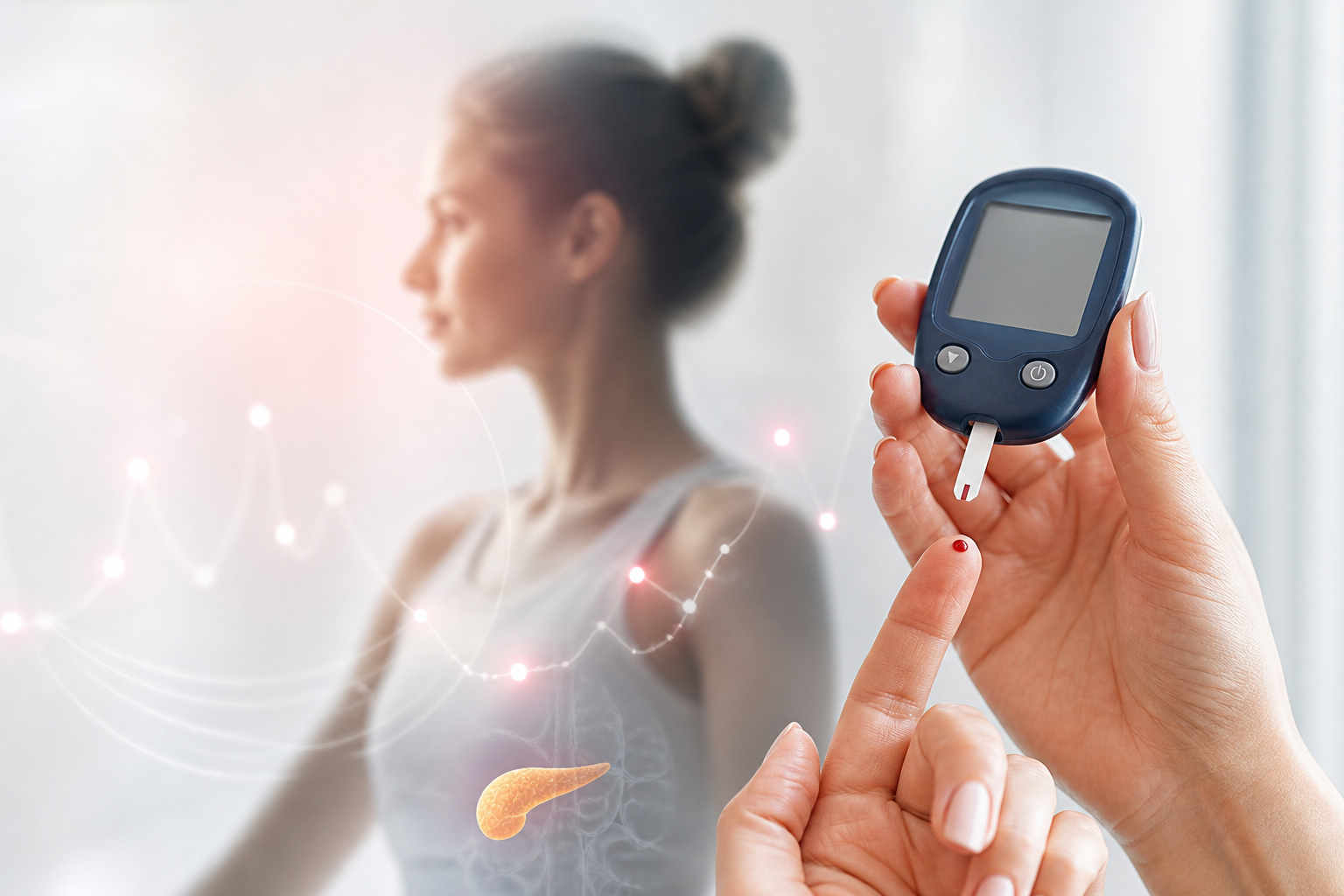
Several reliable tests are used for diabetes screening women, each offering a different perspective on blood sugar control. Your healthcare provider will determine which test or combination of tests is most appropriate based on your medical history and risk factors. Understanding what each test measures and how to prepare for it can help ensure accurate results.
Preparing for Your Diabetes Screening Women Appointment
Common tests include the Fasting Plasma Glucose (FPG) test, the A1C test, and the Oral Glucose Tolerance Test (OGTT). The FPG test measures your blood sugar after an overnight fast (typically 8-12 hours). An FPG result of 100-125 mg/dL indicates prediabetes, while 126 mg/dL or higher on two separate tests suggests diabetes.
The A1C test provides an average of your blood sugar levels over the past two to three months. It does not require fasting and is a convenient option for many. An A1C of 5.7%-6.4% indicates prediabetes, and 6.5% or higher suggests diabetes. The OGTT involves measuring your blood sugar before and two hours after drinking a sugary solution. This test is often used for diagnosing gestational diabetes and can provide a more dynamic picture of how your body processes glucose. For optimal results, follow all pre-test instructions from your doctor carefully.
Normal blood sugar levels for women typically fall below 100 mg/dL for FPG and below 5.7% for A1C. These levels indicate healthy glucose metabolism. However, even within the normal range, consistent monitoring is key, especially if risk factors are present. For more detailed information on diabetes management, you can refer to resources from the American Diabetes Association.
Prioritize Your Health: Essential Diabetes Screening Women at Comprehensive OBGYN
Ensure your well-being with proactive diabetes screening designed specifically for women. Our authoritative team provides comprehensive care and guidance in Coral Springs, FL.
Gestational Diabetes Screening Women and Next Steps
Gestational diabetes is a form of diabetes that develops during pregnancy in women who did not have diabetes before. It is a critical area of diabetes screening women because it can impact both maternal and fetal health. Screening for gestational diabetes is a standard part of prenatal care, typically performed between 24 and 28 weeks of pregnancy.
The primary test for gestational diabetes is the Oral Glucose Tolerance Test (OGTT). This usually involves a two-step process: a glucose challenge test followed by a diagnostic OGTT if the initial screening is abnormal. Early screening might be recommended for women with high risk factors, such as obesity or a history of gestational diabetes in a previous pregnancy. Managing gestational diabetes effectively is crucial for a healthy pregnancy and reduces the risk of complications for both mother and baby.
What Abnormal Diabetes Screening Women Results Mean
If your diabetes screening women results are abnormal, indicating prediabetes or diabetes, it is essential to consult your healthcare provider promptly. They will discuss the results, confirm the diagnosis with further tests if necessary, and develop a personalized management plan. This plan may include lifestyle modifications such as dietary changes, a structured exercise program, and in some cases, medication.
For women diagnosed with prediabetes, significant lifestyle changes can often prevent or delay the progression to type 2 diabetes. If diagnosed with type 2 diabetes, ongoing management with your doctor is vital to control blood sugar levels and prevent complications. Regular follow-up appointments, blood sugar monitoring, and adherence to your treatment plan are key to maintaining good health. While home diabetes screening kits for women exist, they are not a substitute for professional medical screening and diagnosis.
To schedule a diabetes screening appointment, contact your primary care physician or OBGYN office. For women in Coral Springs, FL, Comprehensive OBGYN offers comprehensive care and guidance for all your health needs. You can learn more about women’s health services by visiting Comprehensive OBGYN’s blog.
Conclusion: Prioritizing Diabetes Screening Women
Prioritizing diabetes screening women is a fundamental step toward proactive health management. From understanding the specific risk factors unique to women to knowing when and how often to get screened, each piece of information empowers you to make informed decisions. Early detection through regular screening is a powerful tool, enabling timely interventions that can prevent or delay the onset of type 2 diabetes and mitigate its associated complications. By embracing these essential facts, women can take control of their metabolic health, ensuring a foundation for a healthier, more vibrant future. Your health is an investment, and regular screening is a cornerstone of that commitment.
Diabetes screening women is best supported by trusted medical guidance. Learn more from the American College of Obstetricians and Gynecologists.
What is diabetes screening for women?
Diabetes screening for women involves tests to detect high blood sugar levels, indicating prediabetes or diabetes, even before symptoms appear. This proactive approach is crucial for early intervention and preventing serious health complications specific to women.
Who should be screened for diabetes in women?
Women with risk factors such as overweight/obesity, family history of diabetes, physical inactivity, high blood pressure, abnormal cholesterol levels, or a history of gestational diabetes should be screened. All women generally begin screening around age 35.
At what age should women start diabetes screening?
For most women without specific risk factors, routine diabetes screening typically begins at age 35. However, if risk factors are present, screening may start earlier, as determined by a healthcare provider.
What are the recommended diabetes tests for women?
Common tests for diabetes screening women include the Fasting Plasma Glucose (FPG) test, the A1C test, and the Oral Glucose Tolerance Test (OGTT). Your doctor will recommend the most appropriate test based on your health profile.
How often should women get screened for diabetes?
If initial diabetes screening results are normal, women should generally be re-screened every three years. If you have prediabetes or specific risk factors, your doctor might recommend more frequent monitoring, perhaps annually.
Why is early diabetes screening important for women’s health?
Early diabetes screening women is crucial because it allows for timely lifestyle changes or medical interventions to prevent or delay the onset of type 2 diabetes and reduce the risk of complications like heart disease, kidney damage, and nerve damage, which can impact women differently.
Are there specific risk factors for diabetes in women?
Yes, specific risk factors for diabetes in women include polycystic ovary syndrome (PCOS), a history of gestational diabetes, delivering a baby weighing over 9 pounds, and certain ethnic backgrounds. Menopause can also influence insulin sensitivity.
What are the guidelines for gestational diabetes screening?
Gestational diabetes screening is typically performed between 24 and 28 weeks of pregnancy using an Oral Glucose Tolerance Test (OGTT). Early screening might be recommended for women with high risk factors.
What should women do if their diabetes screening results are abnormal?
If diabetes screening results are abnormal, women should promptly consult their healthcare provider. They will discuss the results, confirm the diagnosis, and develop a personalized management plan, which may include diet, exercise, and medication.
How to schedule a diabetes screening appointment for women?
To schedule a diabetes screening appointment, contact your primary care physician or OBGYN office, such as Comprehensive OBGYN in Coral Springs, FL. They can help you book the necessary tests and provide guidance.