
Painful Intercourse Solutions: 8 Ultimate Ways to Reclaim Intimacy
Experiencing painful intercourse solutions can feel isolating, but you are not alone. Many women in Coral Springs and beyond face this challenge, which can significantly impact their intimate lives and overall well-being. At Comprehensive OBGYN, we understand the sensitive nature of this issue and are dedicated to providing compassionate, expert care to help you find relief. This article will explore 8 ultimate ways to address discomfort, reclaim intimacy, and empower you with knowledge to start a meaningful conversation with your provider.
Understanding the causes and available treatments is the first step toward a more comfortable and fulfilling intimate life. We believe in providing patient-friendly guidance and supportive education, ensuring you feel informed and encouraged throughout your journey to intimate wellness.
Key Takeaways
- Recognize the diverse causes of painful intercourse, from physical conditions to emotional factors, and how they contribute to discomfort.
- Discover 8 ultimate strategies, including immediate home remedies and professional medical interventions, to alleviate pain during intimacy.
- Learn how selecting the right lubricants and optimizing sexual positions can significantly enhance comfort and reduce pain.
- Understand when it’s crucial to seek expert guidance from a healthcare provider like Comprehensive OBGYN for persistent symptoms.
- Explore the importance of open communication with your partner as a vital step in reclaiming intimacy and mutual understanding.
Understanding the Root Causes of Painful Intercourse
Pain during intercourse, medically known as dyspareunia, can stem from a wide array of physical and psychological factors. Identifying the root cause is paramount to finding effective relief and is always the first step our team at Comprehensive OBGYN takes during your consultation. This discomfort can manifest as superficial pain at the vaginal opening or deeper pain within the pelvis.
Common physical causes include vaginal dryness, often due to hormonal changes during menopause, breastfeeding, or certain medications. Infections such as yeast infections or urinary tract infections can also cause significant pain. Additionally, conditions like endometriosis, fibroids, ovarian cysts, or pelvic inflammatory disease can lead to deep-seated pelvic pain during sex.
Hormonal Changes and Vaginal Dryness
Hormonal fluctuations, particularly drops in estrogen, are a frequent culprit behind vaginal dryness and thinning of vaginal tissues (atrophy). This can make intercourse uncomfortable or even painful. Women experiencing menopause or postpartum changes often report these symptoms, which can be effectively managed with appropriate care.
Pelvic Floor Dysfunction and Muscle Tension
The pelvic floor muscles play a crucial role in sexual function. When these muscles are overly tight, spastic, or dysfunctional, they can contribute to pain during penetration. Conditions like vaginismus, an involuntary tightening of the vaginal muscles, fall into this category. Our providers in Coral Springs can assess pelvic floor health as part of your comprehensive evaluation.
Emotional and Psychological Factors
Beyond physical causes, emotional factors like stress, anxiety, a history of trauma, or relationship issues can significantly impact sexual comfort. The anticipation of pain can itself create a cycle of tension and discomfort. Addressing these psychological components is an integral part of a holistic approach to painful intercourse solutions.
Immediate Home Strategies for Alleviating Discomfort: Your First Painful Intercourse Solutions
Before seeking professional medical advice, several at-home strategies can offer temporary relief and serve as initial steps for managing discomfort during sex. These approaches focus on increasing comfort, reducing friction, and relaxing the body, helping you manage symptoms in the short term. Remember, these are complementary steps and not a substitute for a medical diagnosis from a healthcare provider.
For instance, taking a warm bath before intimacy can help relax pelvic muscles and ease tension. Gentle stretching or mindfulness exercises can also prepare your body and mind for a more comfortable experience.

Prioritize Foreplay and Arousal
Adequate arousal is essential for natural lubrication and vaginal elasticity, which can significantly reduce pain. Dedicate ample time to foreplay, allowing your body to naturally prepare for penetration. Open communication with your partner about what feels good and what helps you become fully aroused is key.
Over-the-Counter Lubricants and Moisturizers
Using a high-quality personal lubricant is one of the most accessible and effective immediate solutions. Water-based or silicone-based lubricants can dramatically reduce friction and discomfort. For persistent dryness, especially due to hormonal changes, regular use of vaginal moisturizers can improve tissue hydration over time.
Pain Relief and Relaxation Techniques
Consider taking an over-the-counter pain reliever like ibuprofen about 30-60 minutes before intercourse if recommended by your doctor. Additionally, practicing deep breathing exercises or guided meditation can help calm your nervous system and relax tense muscles, making the experience less stressful and potentially less painful.
Finding the Best Lubricant for Painful Intercourse
Choosing the right lubricant is a critical component for effective relief from discomfort during sex, as it directly impacts comfort and reduces friction. Not all lubricants are created equal, and selecting one that is compatible with your body and your sexual activities can make a significant difference. Our team at Comprehensive OBGYN often recommends specific types based on individual needs.
When you visit our Coral Springs office, we can discuss which types of lubricants are best suited for your specific situation, considering any sensitivities or medical conditions you may have. We aim to provide practical advice that enhances your intimate wellness.
Water-Based Lubricants: Versatile and Gentle
Water-based lubricants are typically the most recommended option for women experiencing pain during sex. They are gentle on sensitive tissues, easy to clean up, and safe to use with all types of condoms and sex toys. Look for brands that are free of glycerin, parabens, and artificial fragrances, as these ingredients can sometimes cause irritation.
Silicone-Based Lubricants: Long-Lasting and Hypoallergenic
Silicone-based lubricants offer a longer-lasting glide than water-based options, making them ideal for extended sessions or when you need extra slipperiness. They are generally hypoallergenic and less likely to cause irritation. However, be aware that silicone lubricants can degrade silicone sex toys, so always check product compatibility.
Avoiding Irritating Ingredients
When selecting a lubricant, carefully read the ingredient list. Avoid products containing warming agents, flavors, or spermicides, as these can irritate already sensitive vaginal tissues and exacerbate pain. Opt for products specifically designed for sensitive skin or those recommended by healthcare professionals.
Optimizing Sexual Positions for Reduced Pain and Greater Comfort
Adjusting sexual positions can be a surprisingly effective way to manage discomfort during sex, allowing you to control the depth and angle of penetration. The goal is to minimize pressure on sensitive areas and maximize your comfort, transforming intimacy into a pleasurable experience again. Experimenting with different positions can help you discover what works best for your body.
For example, positions that allow you to control the depth of penetration, such as the woman on top, can be particularly beneficial. This control empowers you to set the pace and adjust as needed, reducing the likelihood of discomfort.
Positions for Superficial Pain
If your pain is primarily at the vaginal opening, positions that allow for shallow penetration and less direct pressure may be helpful. Spooning, where both partners lie on their sides facing the same direction, can offer gentle intimacy. Woman-on-top positions also allow you to control the depth and angle, which can be crucial for comfort.
Positions for Deep Pelvic Pain
For deep pelvic pain, positions that reduce pressure on the cervix and abdomen are often preferred. Lying on your back with your legs together, or with a pillow under your hips, can help. Positions where you are on your side, or where the partner is behind you, can also offer more control over the depth of penetration and minimize discomfort.
Communication and Experimentation
Open communication with your partner is vital during this process. Talk about what feels good and what causes discomfort. Don’t be afraid to experiment with different angles, pillows for support, and varying speeds. Remember, the goal is mutual pleasure and connection, and finding comfortable positions is a shared journey.
When to Seek Professional Guidance for Persistent Painful Intercourse
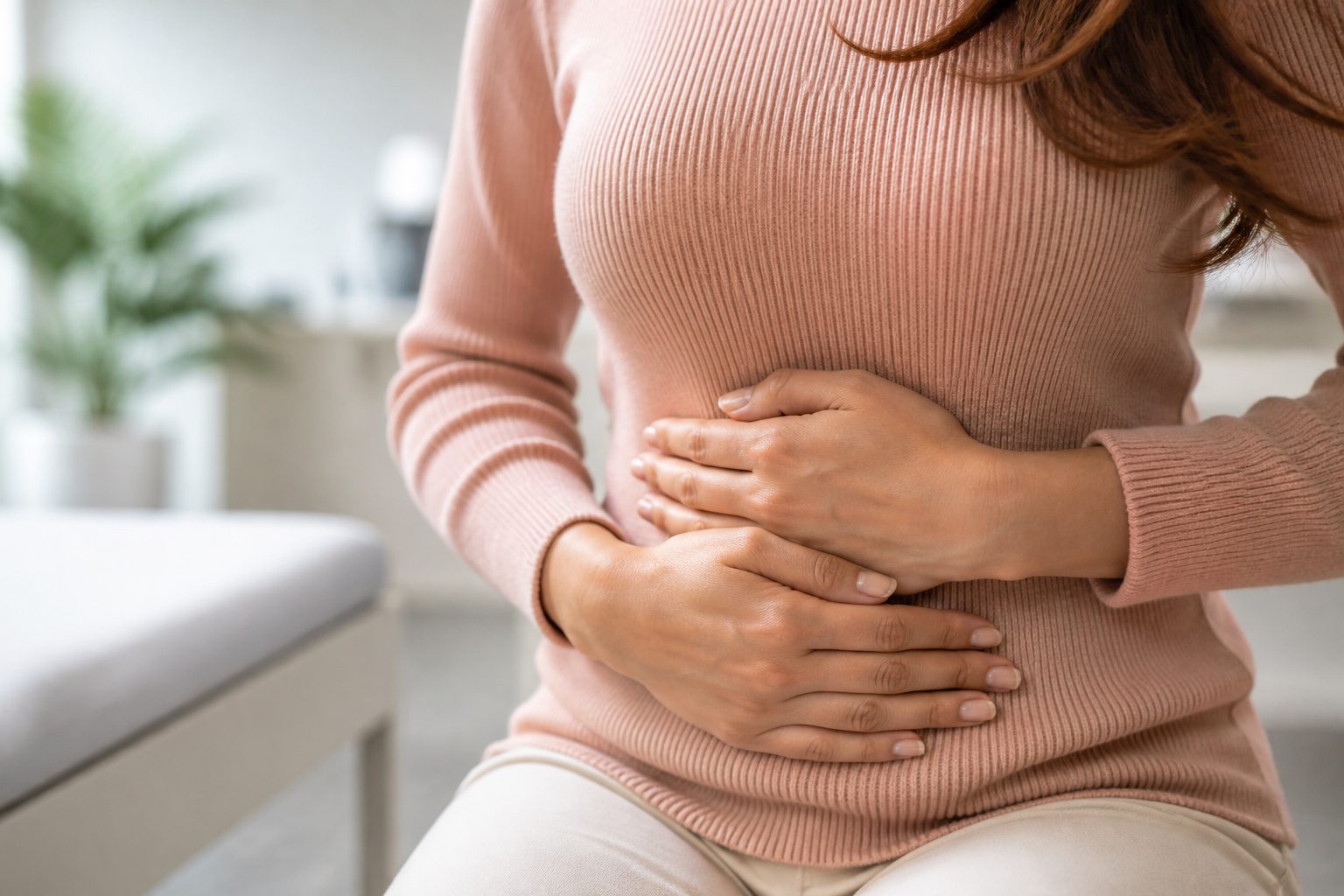
While home remedies can offer temporary relief, persistent painful intercourse warrants a professional medical evaluation. If your discomfort continues despite trying at-home strategies, or if it significantly impacts your quality of life, it’s time to consult with an OBGYN. Ignoring the pain can lead to increased anxiety and further avoidance of intimacy.
At Comprehensive OBGYN in Coral Springs, we encourage women to schedule a confidential consultation if they experience any of these symptoms. Our compassionate team is here to listen without judgment and provide expert guidance.
When Pain Becomes Chronic or Severe
If you experience pain during intercourse regularly, if it intensifies over time, or if it’s severe enough to disrupt your daily activities, professional help is essential. Chronic pain can indicate an underlying medical condition that requires specific diagnosis and treatment. Early intervention can prevent the condition from worsening.
Accompanying Symptoms
Seek medical attention if painful intercourse is accompanied by other concerning symptoms such as unusual vaginal discharge, bleeding, itching, burning, pelvic pain outside of intercourse, or difficulty with urination or bowel movements. These symptoms could point to infections, inflammation, or other gynecological issues that need prompt care.
Impact on Emotional Well-being and Relationship
The emotional toll of painful intercourse can be profound, leading to feelings of frustration, anxiety, depression, and strain on your relationship. If the pain is affecting your emotional health or your connection with your partner, it’s a clear sign to reach out for support. Our team can help guide you through both the physical and emotional aspects of this challenge.
Medical Treatment Options: Comprehensive Painful Intercourse Solutions
Once the underlying cause of painful intercourse is identified, a range of medical treatment options can provide comprehensive painful intercourse solutions. These treatments are tailored to your specific diagnosis and can significantly improve your comfort and quality of life. At Comprehensive OBGYN, we develop personalized treatment plans for each patient.
For instance, if hormonal changes are the cause, your provider might recommend hormone therapy. This could include localized estrogen creams or rings, which deliver estrogen directly to the vaginal tissues, or systemic hormone therapy for broader symptom relief.
Medications and Topical Treatments
Depending on the diagnosis, your doctor might prescribe various medications. These could include antibiotics for infections, antifungal medications for yeast infections, or specific creams for inflammatory skin conditions. For conditions like vulvodynia, topical anesthetics or nerve pain medications might be considered to manage localized pain.
Pelvic Floor Physical Therapy
Pelvic floor physical therapy is a highly effective treatment for pain caused by muscle dysfunction, tension, or weakness. A specialized physical therapist can teach you exercises to relax or strengthen your pelvic floor muscles, improve flexibility, and reduce pain. This therapy is often a cornerstone of treatment for many women in Coral Springs experiencing dyspareunia.
Surgical Interventions and Other Procedures
In some cases, surgical intervention may be necessary, particularly for conditions like endometriosis, fibroids, or severe pelvic organ prolapse. These procedures aim to remove or correct the anatomical issue causing the pain. Your OBGYN will thoroughly discuss all options, including the benefits and risks, before recommending surgery. For more detailed medical guidance on dyspareunia, you can consult authoritative sources like the American College of Obstetricians and Gynecologists (ACOG).
Comprehensive OBGYN’s Personalized Approach to Intimate Wellness in Coral Springs, FL
At Comprehensive OBGYN, we pride ourselves on offering a warm, educational, and supportive environment for women seeking intimate wellness in Coral Springs, FL. We understand that discussing painful intercourse can be daunting, which is why our team prioritizes creating a safe and confidential space where you feel heard and understood. Our approach is always patient-centered, focusing on your unique needs and concerns.
We believe in empowering you with knowledge, ensuring you understand your condition and the various treatment paths available. Our goal is to foster meaningful conversations with your provider, leading to effective and lasting painful intercourse solutions.
Reclaim Comfort and Intimacy with Comprehensive OBGYN
If you’re seeking lasting relief from discomfort, our experienced team provides personalized care and effective strategies tailored to your unique needs.
Thorough Diagnosis and Customized Treatment Plans
Your journey with us begins with a comprehensive evaluation, including a detailed medical history and a gentle physical examination. We take the time to accurately diagnose the cause of your pain, whether it’s hormonal, muscular, infectious, or related to another gynecological condition. Based on this diagnosis, we develop a customized treatment plan that may combine medical therapies, lifestyle adjustments, and referrals to specialists like pelvic floor physical therapists.
Supportive Education and Resources
Our commitment extends beyond medical treatment. We provide patient-friendly guidance and educational resources designed to help you understand your body and your health. This includes wellness tips, common questions to ask your provider, and supportive education for everyday women’s health decisions. We want you to feel confident and informed every step of the way.
Integrated Care for Holistic Well-being
We believe in an integrated approach to intimate wellness, recognizing that physical health is often intertwined with emotional and psychological well-being. Our team collaborates with other specialists, such as mental health professionals or pain management experts, when needed, to ensure you receive holistic care. Our aim is to help you not only alleviate pain but also reclaim your confidence and joy in intimacy.
Communicating with Your Partner and Reclaiming Intimacy
Reclaiming intimacy after experiencing painful intercourse involves more than just physical treatment; it also requires open and honest communication with your partner. Discussing your pain and feelings can strengthen your bond and ensure you both approach intimacy with understanding and empathy. This shared journey is a crucial part of finding lasting painful intercourse solutions.
Choosing a calm and private moment to talk can make these conversations easier. Explain what you’re experiencing, emphasizing that it’s a physical issue, not a reflection of your feelings for them.
Open and Honest Dialogue
It’s important to articulate your discomfort clearly and calmly. Explain the type of pain you feel, where it occurs, and what makes it better or worse. Reassure your partner of your desire for intimacy while also setting boundaries about what you can comfortably do. This transparency helps prevent misunderstandings and fosters a supportive environment.
Exploring Alternative Forms of Intimacy
Intimacy encompasses more than just penetrative sex. Explore other ways to connect physically and emotionally, such as cuddling, massage, kissing, or mutual masturbation. This can help maintain closeness and affection in your relationship while you work through the physical challenges of painful intercourse. It reinforces that your bond is strong and adaptable.
Patience and Mutual Support
Healing from painful intercourse is a process that requires patience from both partners. Be supportive of each other, celebrate small victories, and approach challenges as a team. Remember that seeking professional help from Comprehensive OBGYN is a step you can take together to improve your intimate life and overall well-being.
Conclusion
Experiencing painful intercourse can be a challenging journey, but with the right approach and support, lasting painful intercourse solutions are within reach. By understanding the causes, exploring home strategies, and seeking expert medical guidance, you can reclaim comfort and intimacy. At Comprehensive OBGYN in Coral Springs, FL, we are dedicated to providing the compassionate, personalized care you deserve. Don’t let discomfort define your intimate life; take the proactive step toward a healthier, more fulfilling future. We encourage you to schedule a confidential consultation with our experienced team today.
Are there natural remedies or home treatments for dyspareunia?
While not a substitute for medical advice, some women find relief from dyspareunia through warm baths, gentle massages, or applying cool compresses. Pelvic floor relaxation techniques and using natural lubricants can also offer temporary comfort. It’s always best to consult with a healthcare provider like Comprehensive OBGYN to determine the underlying cause and ensure safe, effective treatment.
Why do women experience painful intercourse after childbirth?
Painful intercourse after childbirth is common due to hormonal changes, vaginal dryness, scarring from episiotomies or tears, and pelvic floor muscle dysfunction. These issues can persist for months as the body recovers. Discussing these concerns with your OBGYN can help identify specific causes and appropriate interventions for postpartum discomfort.
How can you discuss painful intercourse with your partner?
Open and honest communication with your partner is crucial when experiencing painful intercourse. Choose a calm, private moment to explain your feelings and physical sensations, emphasizing that it’s a shared challenge, not a personal failing. Reassure them of your intimacy while discussing ways to explore touch and connection that are comfortable for both of you.
What exercises strengthen pelvic floor muscles to reduce pain?
Targeted pelvic floor exercises, often guided by a pelvic floor physical therapist, can significantly reduce pain. These exercises might include Kegels for strengthening, but also relaxation techniques and stretches to release tension. A healthcare provider at Comprehensive OBGYN can recommend specialists in Coral Springs who can assess your specific needs and create a tailored exercise plan.
Is surgery an option for severe painful intercourse?
Surgery is typically considered a last resort for severe painful intercourse and only after other treatment options have been exhausted and a specific anatomical cause is identified. Conditions like endometriosis, fibroids, or severe pelvic organ prolapse might warrant surgical intervention. Your OBGYN will carefully evaluate if surgery is a suitable path for your individual situation.
What types of doctors specialize in treating dyspareunia?
Several types of doctors specialize in treating dyspareunia, including OBGYNs, urologists, pain specialists, and pelvic floor physical therapists. An OBGYN, like those at Comprehensive OBGYN, is often the first point of contact and can diagnose many common causes or refer you to appropriate specialists. Integrated care is key for complex cases.
How do I book an appointment for a painful intercourse consultation?
Booking an appointment for a painful intercourse consultation at Comprehensive OBGYN is straightforward. You can call our office directly at (954) 753-2411 during business hours or visit our website at comprehensiveobgyn.blog to request an appointment online. Our team in Coral Springs is ready to provide a compassionate and confidential consultation to help you find relief.